Third article in the series “Returning to the West”
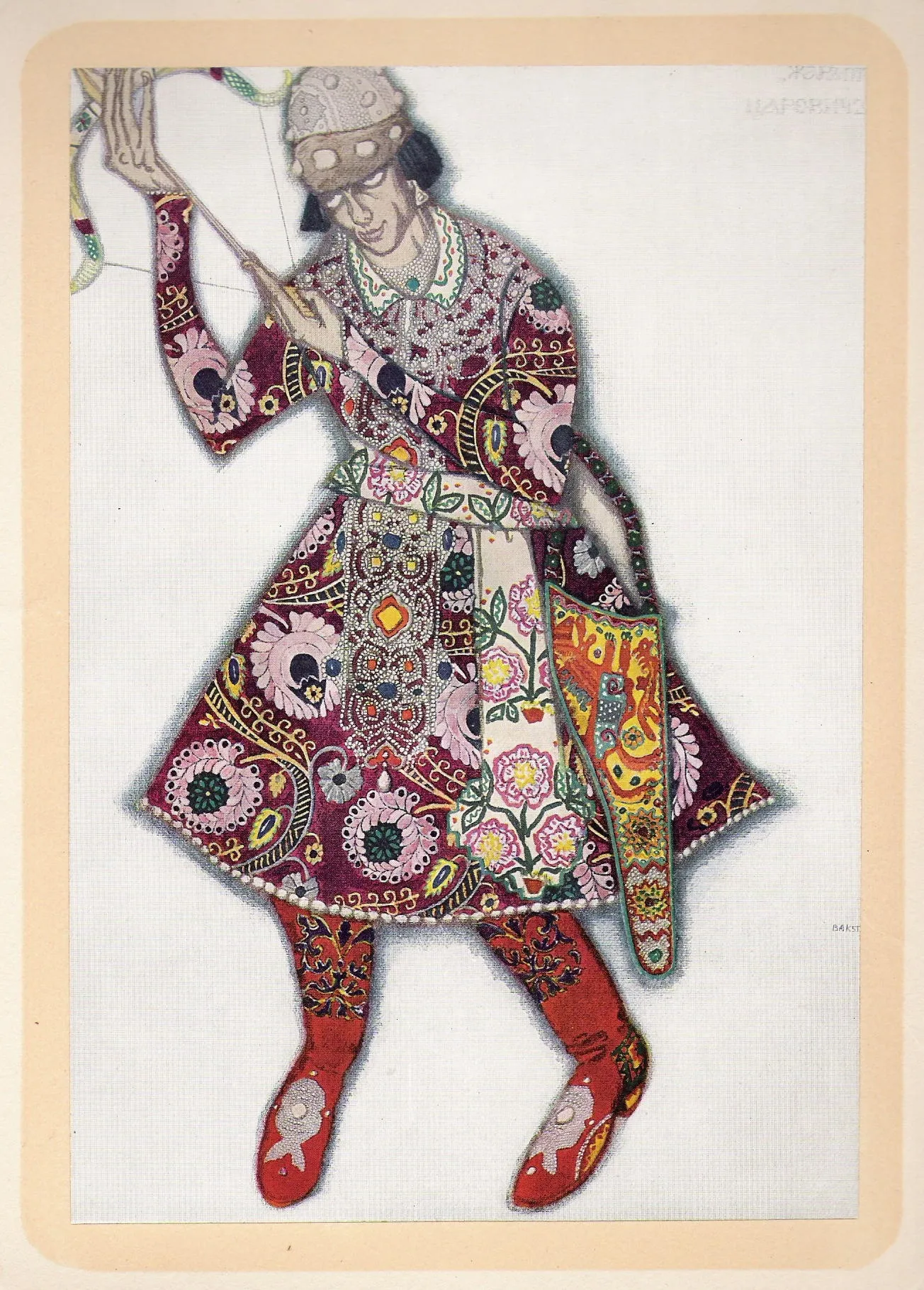
From apprentice to arbiter of taste: the most underrated plot of Russian history
The first two articles of this series dealt with mechanics: why Russia’s ties with the West cannot be severed, and why the cycles of closure always end in a turn. But mechanics has a weak point — it answers the question of why isolation loses and says nothing about what exactly the country gains from openness. Without that answer the argument is incomplete: for a person raised on the rhetoric of the besieged fortress it is not enough to show that the fortress runs at a loss — one must show that beyond its walls Russia is awaited not by humiliation but by its opposite.
History supplies that answer with extravagant generosity. There is a story the official narrative studiously avoids, because it demolishes the narrative’s very design: in the moments of its greatest openness Russia was not Europe’s catching-up province but its cultural superpower — a setter of fashions, a supplier of forms, a country others learned from. Not “despite” openness but because of it. The peak of Russian influence on world culture — roughly the years 1860–1930 — coincides exactly with the period of Russia’s maximum involvement in European life: free travel, translation in both directions, Russian colonies in Paris, Rome and Baden-Baden, foreign companies and professors in Russia.
Let us examine the three waves of this conquest — the novel, the stage and the avant-garde — and then ask the question that follows directly from the previous article: what, in all this, was the role of the state and its supreme power.
The novel: how Russia rewired European prose
It all began from the position of a pupil, and there is nothing to be embarrassed about: Russian prose of the first half of the nineteenth century grew out of French, English and German reading, as its creators openly said themselves. But by the 1860s there occurred what economics would call a move up the value chain: Russia stopped importing literary forms and began exporting them.
The first bridge was Turgenev — the first Russian writer whom Europe read in real time rather than in retrospect. He lived between Russia, Baden-Baden and Paris, belonged to Flaubert’s inner circle, was friends with George Sand and Maupassant, and the young Henry James considered him the very model of a novelist and wrote rapturous pages about him. Turgenev was no petitioner at the door of European literature — he was its full participant and at the same time the agent of Russian letters: it was through him that French and English publishers and critics discovered Tolstoy and other Russian authors.
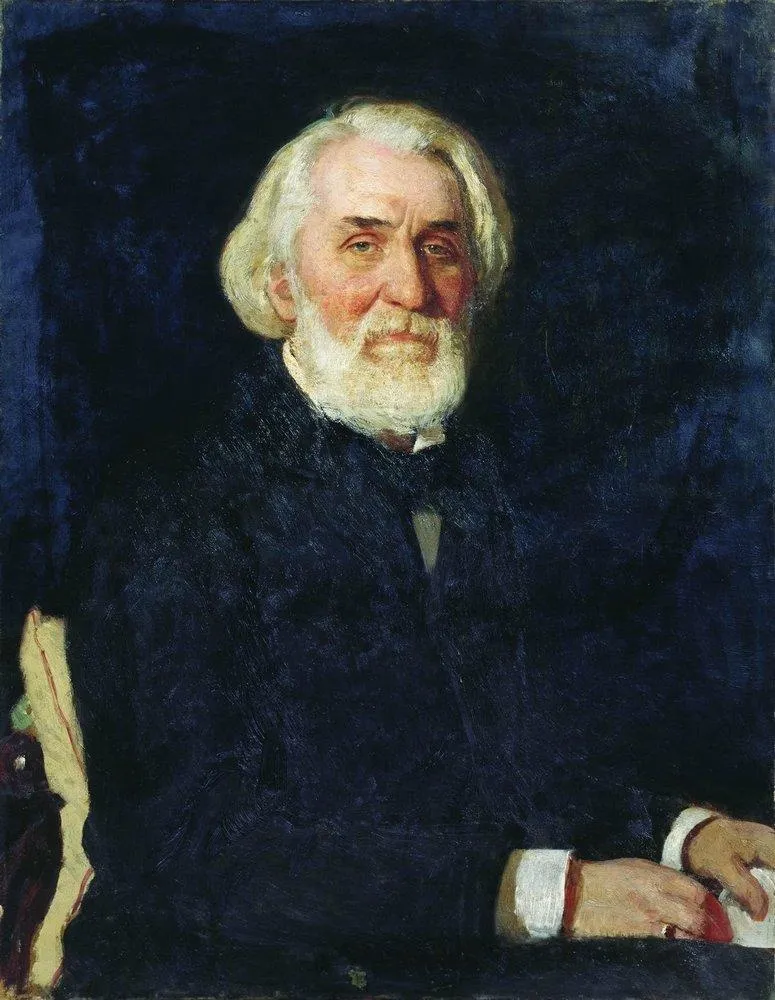
And then came the explosion. In 1886 the French diplomat and critic Eugène-Melchior de Vogüé published The Russian Novel — and Europe, in the phrase of literary historians, fell ill with Russia. Tolstoy and Dostoevsky were read not as exotica but as revelation: it turned out the Russian novel could do what the Western one could not — join philosophical scale to psychological microscopy. The rest is well known: without Dostoevsky there is no Nietzsche, who called him the only psychologist he had anything to learn from, no Freud with his essay on The Brothers Karamazov, no existentialism, and no considerable part of the modernist novel. Without Tolstoy, Proust and Thomas Mann would look different, and so would the whole tradition of epic realism down to the twentieth-century Americans. Chekhov, who came next, simply created the modern short story and the modern theater — the English-language story from Katherine Mansfield to Carver, and the entire postwar theater of the West, speak Chekhovian, often without knowing it.
Let us fix the structure of the event: the pupil became the teacher within a single generation. This happened in a country with open borders, free (for the educated class) movement across Europe and the most intensive translation exchange. The Russian novel conquered the world not from a fortress — from a wide-open house.
The stage: Diaghilev, or the first Russian global industry
If the novel conquered Europe gradually, the Russian stage took it by storm, and the storm has an exact date: May 1909, the Théâtre du Châtelet, the first Paris season of Diaghilev’s ballet.
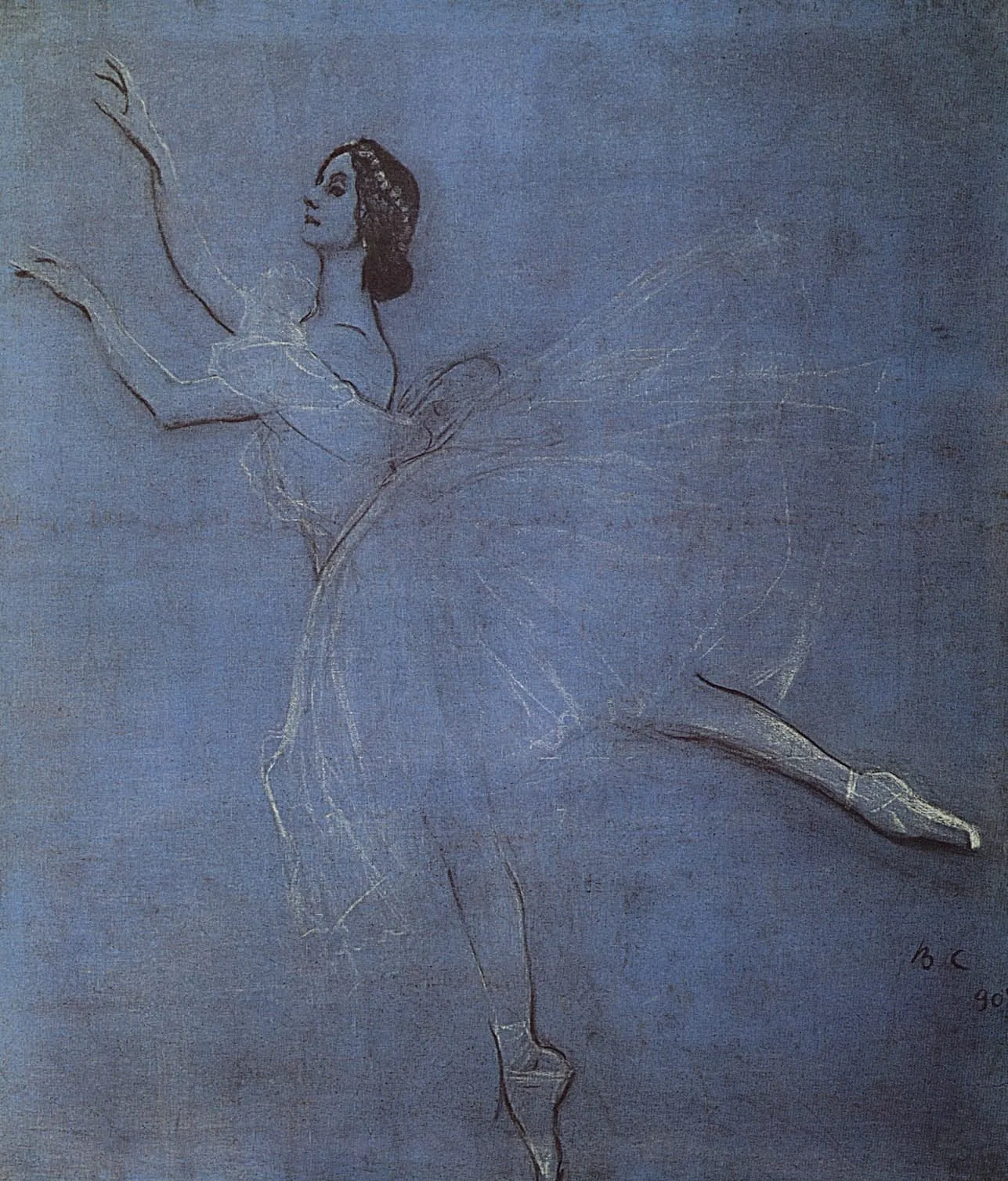
The scale of what happened is hard to appreciate today, because it has dissolved into the very fabric of Western culture. The Saisons Russes were not a tour — they were a change of Europe’s aesthetic regime. Paris, the capital of world taste, for two decades dressed, made itself up, decorated itself and listened in Russian: Bakst and Benois overturned stage design and, through it, fashion and the interior (the oriental wave among couturiers, Poiret included, is a direct consequence of Schéhérazade); Fokine, followed by Nijinsky and Balanchine, redefined the very art of choreography; Chaliapin in Boris Godunov set a new standard for the operatic artist. Stravinsky, Diaghilev’s discovery, changed the trajectory of world music with three ballets — The Firebird, Petrushka, The Rite of Spring: the scandalous premiere of the Rite in 1913 is considered one of the starting points of the musical twentieth century. Around the enterprise worked Picasso, Matisse, Debussy, Ravel, Cocteau, Chanel — the Russian undertaking became the gravitational center toward which the whole of European modernism was drawn.
Analytically, the Saisons Russes were the first Russian global cultural industry: a high-value-added export product, assembled from domestic raw material (the imperial ballet school, the national musical tradition, the painting of the World of Art circle) and sold on the most demanding market in the world at a colossal premium. Russia, an exporter of grain and hemp, proved capable of exporting aesthetic hegemony.
And again let us note the condition of possibility: Diaghilev’s enterprise existed in a world where a Russian company could work freely in Paris and London, Russian artists could live between two homes, and the Russian public could read about the Parisian triumphs in uncensored detail. Cut those channels — and there is no Diaghilev. History, in fact, ran that experiment too: after 1917 the enterprise was cut off from its homeland, and Soviet Russia for decades reaped the glory of the “Russian ballet” to whose continuation it no longer had access.
The avant-garde: the Russian wiring of world modernism
The third wave is the most radical. In the first three decades of the twentieth century Russia came forward no longer as a supplier of masterpieces within existing forms but as the developer of the forms themselves on which the visual culture of modernity stands. Kandinsky is one of the key figures in the birth of abstract painting and later a professor at the Bauhaus — that is, a co-author of the twentieth century’s principal design school. Malevich and his Suprematism gave art its limit point, from which all abstraction still takes its bearings. Constructivism — Tatlin, Rodchenko, El Lissitzky, Stepanova — laid the foundations of modern graphic design, the poster, photomontage, typography; direct lines of influence run from it to the same Bauhaus, to the Dutch De Stijl, to the Swiss school of graphics — that is, to the visual language in which every website and every identity is set today. The Russian montage school of cinema — Eisenstein, Vertov, Kuleshov — gave world film its grammar: the “Kuleshov effect” and Eisenstein’s montage are studied in every film school on the planet. Add Chagall, Soutine and the whole “Russian Paris,” and the Stanislavsky system without which there is neither the Actors Studio nor modern Hollywood — and the picture is complete.
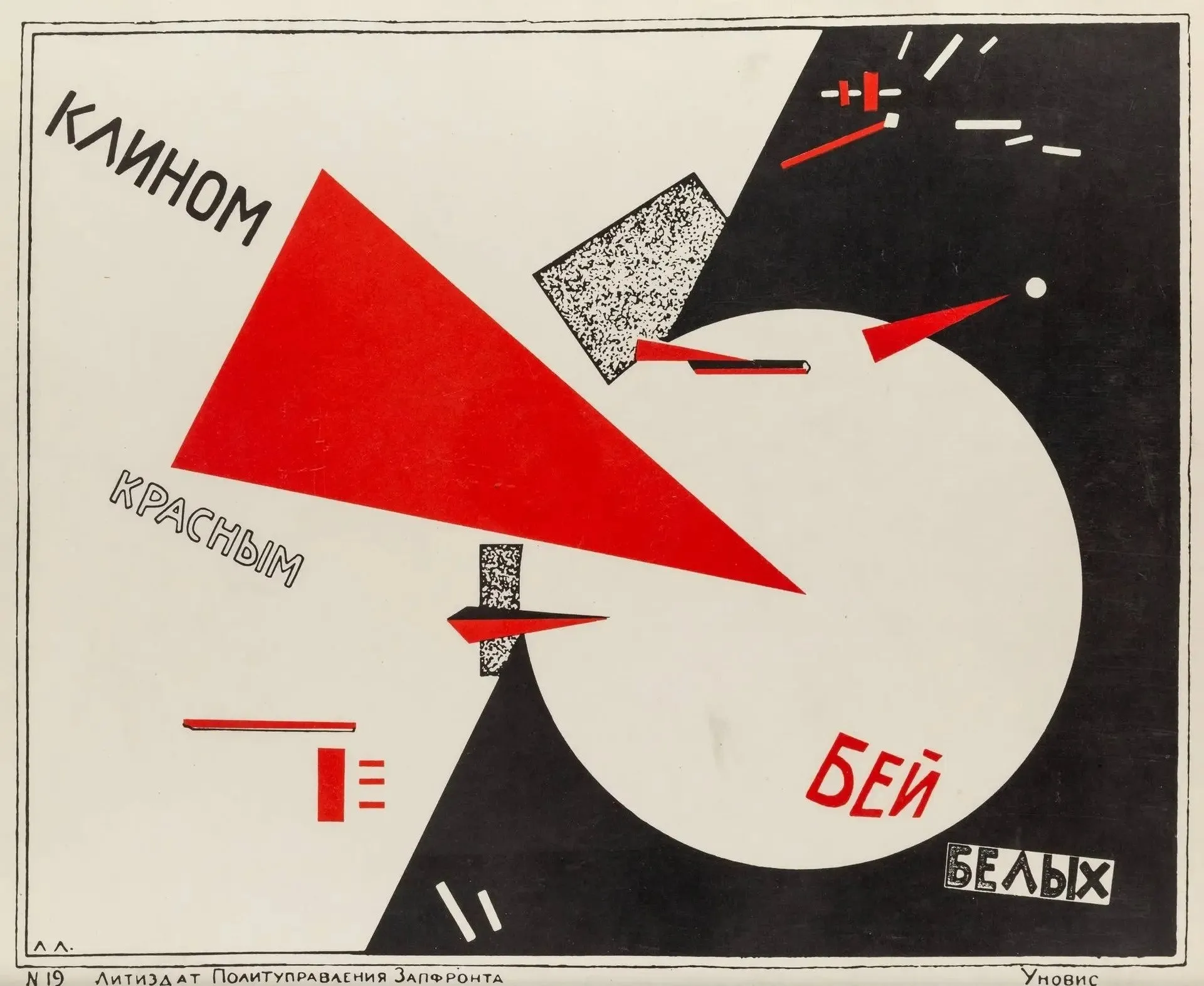
It is essential that the avant-garde was a movement of two-way exchange in its purest form: Russian artists were formed between Moscow, Munich and Paris, exhibited in shared salons, published in shared journals. This was not “Russian culture recognized by the West” — it was a single European laboratory in which the Russian department led the way for fifteen or twenty years. And the end of that leadership is dated with sad precision: by the early 1930s, with the closing of the borders and the proclamation of socialist realism as the only method, the laboratory was destroyed. Those who managed to leave entered the history of world art; those who stayed, at best fell silent. The world capital of artistic experiment moved from Moscow and Vitebsk to Paris and New York — and never moved back.
Crown and showcase: a frank conversation about the role of supreme power
Now for the promised question that continues the line of the previous article — and let us put it bluntly.
In the previous article we showed that the turns of Russian policy were historically made by the supreme power itself, and that the hyper-centralized system, for all its costs, turns around quickly. A supporter of the present course is entitled to ask: but is cultural openness not a threat to that very power? Does the showcase not undermine the fortress?
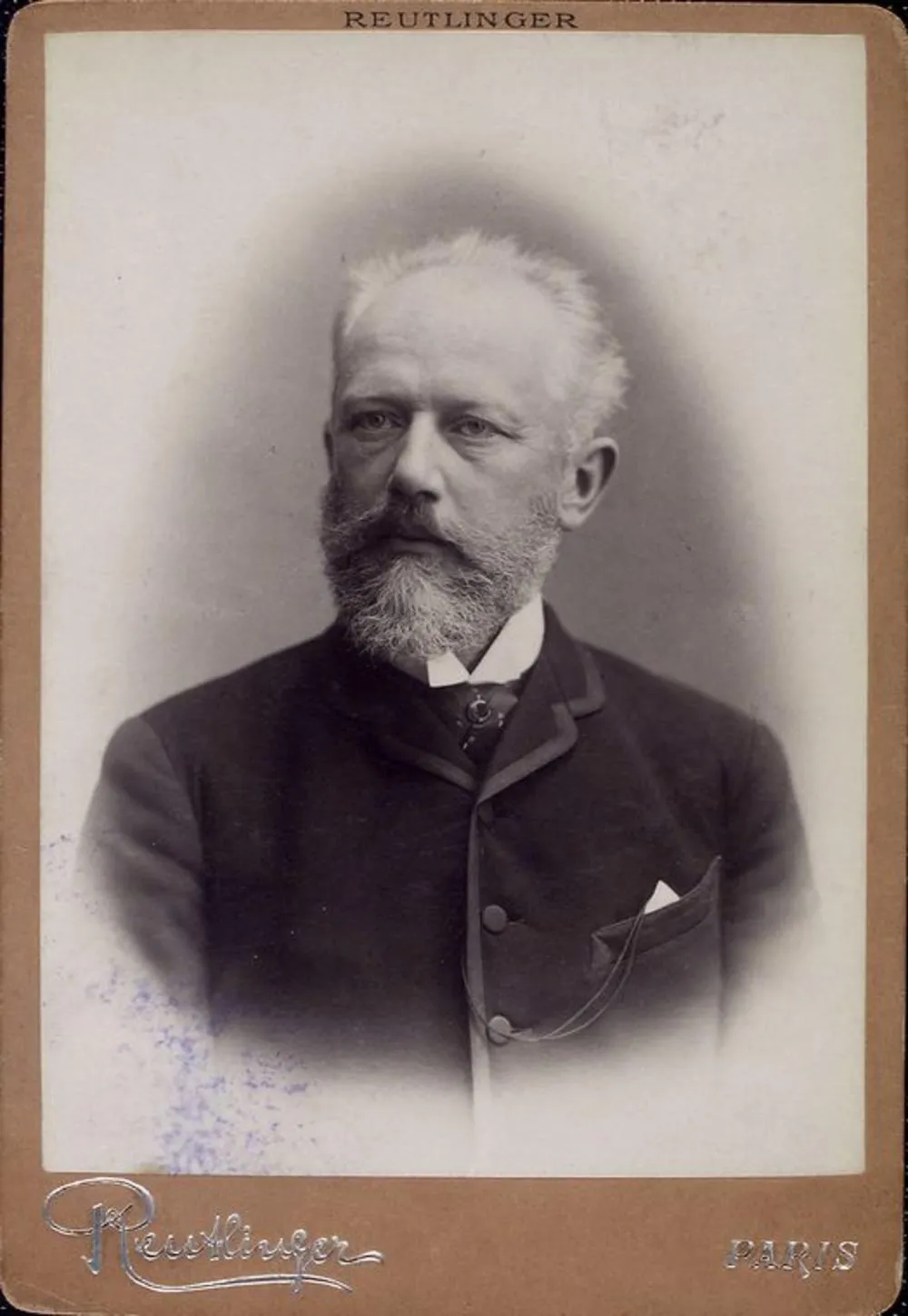
The historical material of this article allows a direct answer: the great Russian cultural export was accomplished not against the autocratic state but to a considerable degree with its participation and on its infrastructure — while those who strangled it were, as a rule, not the sovereigns but the zealots and over-insurers of the lower floors of power. The Imperial Theaters with their school were a state institution that raised all the stars of Diaghilev’s enterprise; the enterprise itself enjoyed the patronage of members of the imperial family and — at first — subsidies from the court. Alexander III, the very model of a conservative autocrat, granted Tchaikovsky a lifetime pension and personally supported national opera — and it was under him that Tchaikovsky became the first Russian composer of world status. Nicholas I, for all the gloom of his censorship regime, declared himself Pushkin’s personal censor — a hard and unequal relationship, but it was a link between the poet and the throne over the heads of the guardian bureaucracy, which was in fact hounding Pushkin. The Academy of Arts, the conservatories, the universities — the entire infrastructure that produced the cultural superpower was imperial, state-built, created by the will of monarchs from Peter to Alexander II. The supreme power in its best hours understood what its zealous servants never did: the showcase does not undermine the state — the showcase is the state, in that part of it which outlives the centuries. What proved fatal to culture was not the thrones but those very filtering circuits around them — censors playing safe beyond their instructions, ideological departments finding sedition in advance, advisers reporting upward on the danger of what the crown could have been proud of. Put this way, the claim removes the false dilemma of “strong power or openness”: Russian experience knows a strong power that made openness its principal export.
For the practical logic of this series this means the following. A turn to openness does not require self-negation from Russian power — it requires discernment: the ability to see where the defense of the state ends and where begins the zeal of those who feed off the state of siege. All the great hours of Russian culture struck when that discernment was achieved at the summit.
The balance sheet of conquest: what the showcase yields
Let us sum up the three waves in sober categories — not of rapture but of benefit, since a conversation about a turn of policy requires precisely those.
Status. Cultural hegemony bought Russia what neither the army nor grain could buy: the position of an indispensable part of European civilization. The country of Tolstoy and Diaghilev could be feared or disliked — it could not be counted foreign. That capital worked for decades and works still: today’s talk of “canceling Russian culture” has failed in the main — Chekhov could not be removed from the stages nor Tchaikovsky from the concert halls, and every such performance and concert is a working channel of connection that has outlived all the sanction packages. The showcase has proved the most indestructible part of the fabric discussed in the first article.
People and markets. An open culture is an incoming flow: foreign directors, professors, investors in enterprises, tourists, students. The Silver Age was not only export — before 1914 Russia was a place people came to work and study. Closure reverses the flow, with a familiar result: three waves of emigration enriched Hollywood, American science and the European stage with what Russia had raised and lost.
Feedback. Finally, cultural export is the only form of Russian presence in the West that was and is met there with gratitude rather than wariness. For the theme of our series — “soft power as the probing of a renewal of relations” — this is the key point: the pipeline and the tank create counterparties; the showcase creates friends. When the hour of the turn comes, the conversation with Europe will not begin from a blank page — it will begin in the language in which Europe has spoken with Russia for a century and a half: the language of her culture.
The next article will invert the optics: we will look not at the Russian in Europe but at the European in Russia — and show that even the most furious preachers of the “special path” built their specialness out of Western materials.
The next article in the series: “The West Within: What the Russian ‘Special Path’ Is Actually Built From.”