
Twelfth article in the series “Returning to the West”
The method: looking the wall straight in the face
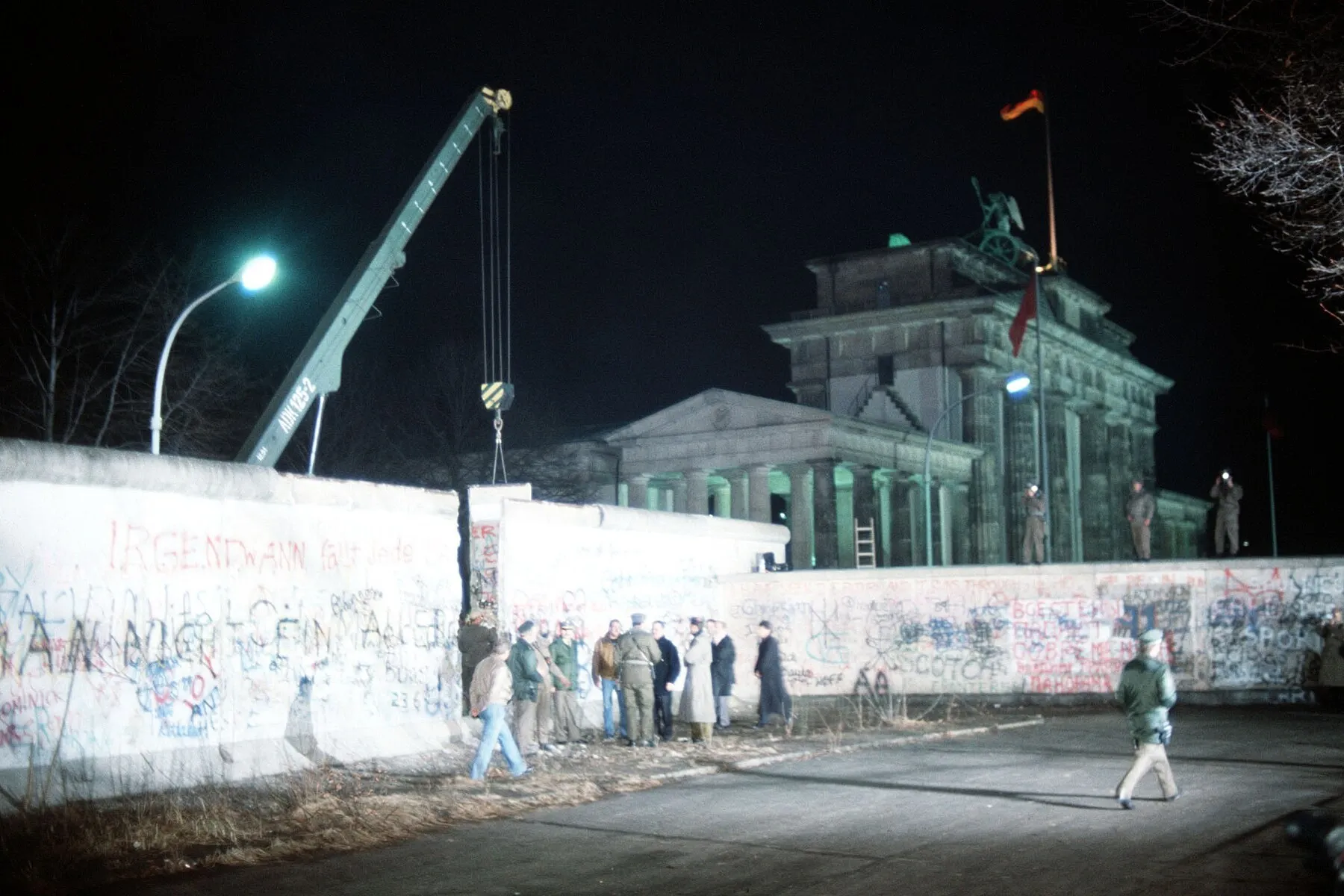
A series that argues the possibility of return is obliged to describe what stands against it more honestly than anyone else. Otherwise it turns into consolation — a genre this series has despised since its first article. The twelfth article is therefore an inventory: a complete list, without softenings, of the obstacles between today’s Russia and its return to Europe, with an assessment of the hardness of each and with historical precedents for how obstacles of this class have been removed — where they were removed at all.
The hardness scale has three grades: removable (a proven technology exists), manageable (it cannot be removed, but there is a technology for living with it and gradually eroding it), hard (nothing goes around it; it demands a direct decision). This is exactly what distinguishes an inventory from propaganda in either direction: it finds all three categories in the warehouse.
I. The war: hard obstacle number one
Let us begin with the main thing, against the temptation to leave it for last. Active hostilities are an absolute obstacle: while they continue, nothing begins at all, and any talk of a “return over the top of the war” is empty talk. This is the hard obstacle in its pure form, and it is removed only by a direct decision: a ceasefire and a settlement.
What do the precedents say about the exit itself? Two things, both sober. The first: conflicts of this scale more often end not in an ideal peace but in a workable armistice — the Korean model of 1953 stopped the war without a peace treaty and is now in its eighth decade; it is not a model of justice, but it is proof that a stop is possible before all the questions are resolved, and that it was the stop, not a final treaty, that at the time opened the first stretch of the turn (the sixth article). The second, negative: armistices without control mechanisms and guarantees — the Minsk lesson — become pauses between escalations; the technology of verifiability (“trust, but verify,” disengagement zones, monitoring) is not a bureaucratic luxury but the only known means of turning a pause into a process. Our series writes no recipes for a settlement — but, following the eleventh article, it puts on record the frame outside which no recipe will work: a settlement is recognized as a door to Europe only if it is recognized by Ukraine herself.
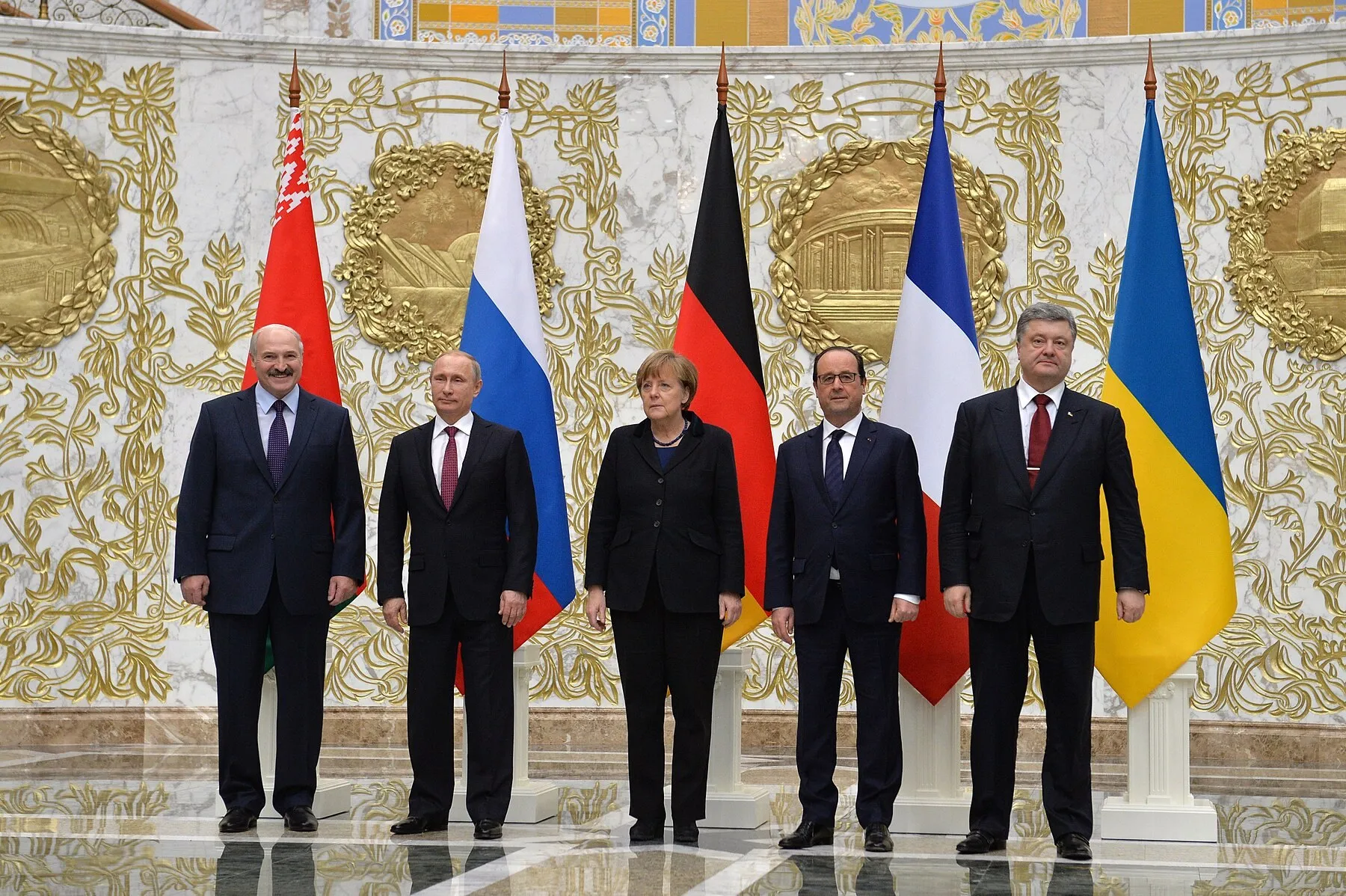
Assessment: hard; removed only by a decision; precedents for stopping — they exist.
II. The territorial question: the longest-lasting of the obstacles
Behind the ceasefire rises the question that will poison relations longest of all: the status of the territories. There must be no illusions here: recognition of border changes carried out by force Europe will not give — that is her constitution (the eleventh article), and no calculation will outweigh it.
But diplomacy has a many-times-tested technology of living with non-recognition — “we do not recognize, but we work.” The United States for half a century did not recognize the incorporation of the Baltic states into the USSR (the Welles Declaration of 1940 remained in force right up to 1991) — which prevented neither the anti-Hitler coalition, nor détente, nor Helsinki. West Germany lived for twenty years with non-recognition of the postwar borders and of the GDR — until Brandt’s Ostpolitik built the formula of “recognition of realities without recognition of their legality,” which untied the knot on terms that in the 1950s both sides would have thought impossible. These are not recipes for the present case — Ukrainian sovereignty over Ukraine’s own land is not equivalent to either of these cases, and finding the formula will be the business of the parties themselves. They are proof of something more modest and more important: legal non-recognition and working relations can coexist for decades, if both sides separate the question of status from the question of war. A territorial dispute keeps; a war does not.
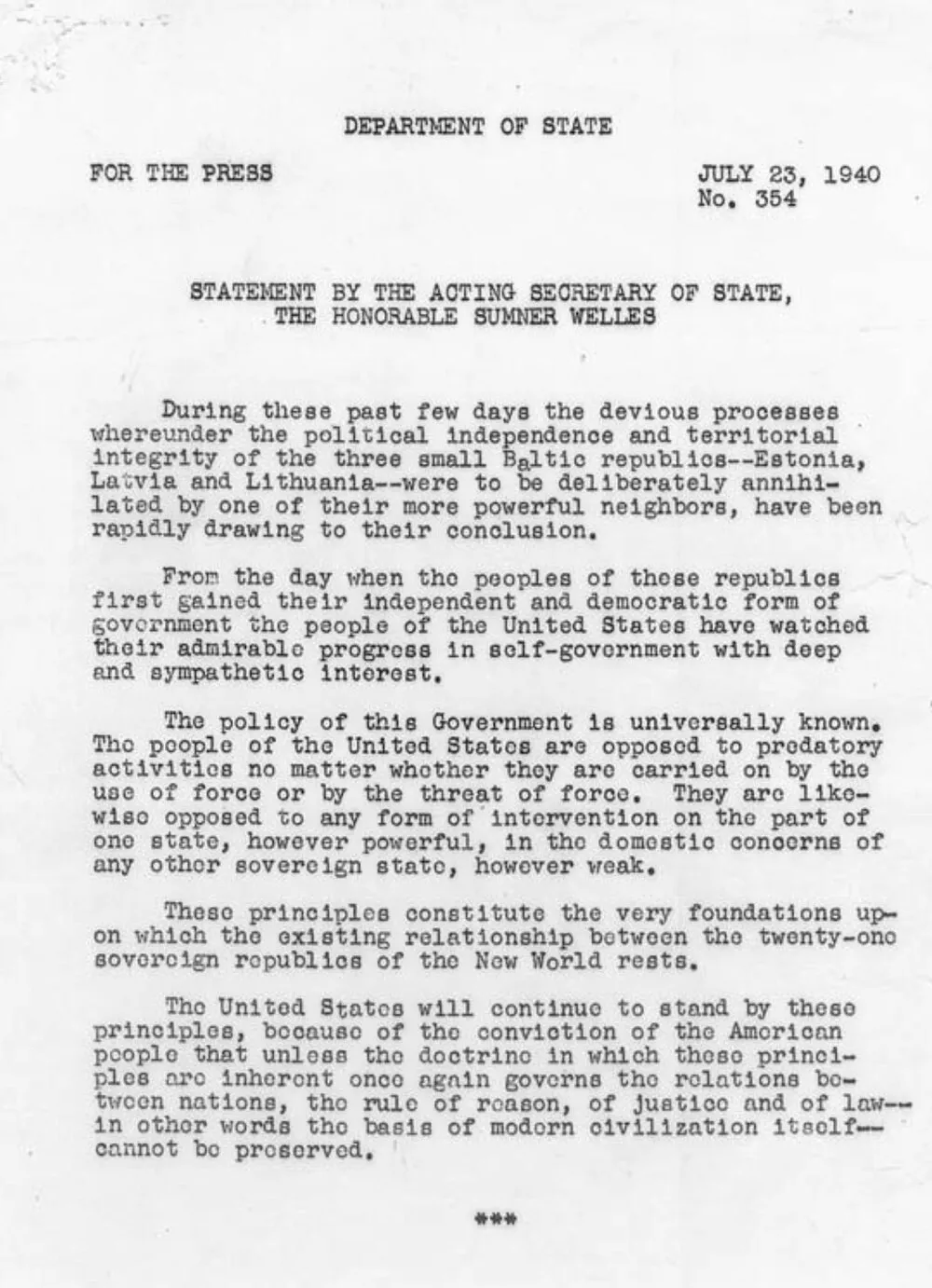
Assessment: manageable once the violence stops; historical formulas for coexistence with non-recognition — they exist; final resolutions — beyond the planning horizon.
III. The legal layer: sanctions, warrants, lawsuits
The legal confrontation of the current cycle is unprecedented in its depth, and it has to be taken apart layer by layer, because the layers differ in hardness.
Sanctions are a removable layer, and the technology is known from every comparable case: phasing, “a step for a step,” a package for an action, with reversibility as insurance for both sides. The lessons of such constructions’ fragility are known too — agreements that did not survive changes of administration; the conclusion is not “impossible” but “build with the political cycles of all participants in mind.” There is also a built-in signpost: a significant share of the sanctions acts are legally tied to specific actions and states of affairs — their language itself describes the conditions of their own lifting.
Frozen assets and lawsuits are a manageable layer: claims settlements, compensation mechanisms and reconstruction funds are the standard currency of the twentieth century’s great political settlements; a question of price, not of possibility.
Personal warrants and tribunals are the hardest layer, and honesty requires saying so plainly: the mechanisms of international criminal justice are deliberately built so as not to be subject to political barter, and no serious European force is going to pay with their abolition. But this layer has a property that changes the whole picture: it is personal by its very construction. International law draws a hard distinction between the responsibility of persons and the relations of states — which is exactly why charges against specific leaders have historically blocked neither negotiations, nor settlements, nor countries’ return to the international system: the persons changed — the doors opened; the country bore no eternal stigma. From this follows a conclusion we will pronounce calmly, because it is legal rather than conspiratorial: the personal character of the legal dead end means that the key to it, too, is a personnel key. Not an “abolition of the tribunals,” which will not happen, but the change of protagonists natural to every political system — that very renewal which, as articles 2, 6 and 7 showed, was the first beat of every Russian turn, not the last.
Assessment: the sanctions — removable; the assets and lawsuits — manageable; the personal layer — hard, with a personnel key, not a diplomatic one.
IV. Trust: razed to the ground — and therefore measurable
The fourth obstacle is the one named most often and understood worst: “trust has been destroyed for generations.” Destroyed — true. The conclusion drawn from this is usually the wrong one, because trust-as-feeling is confused with trust-as-technology.
Interstate trust was never built on feelings in the first place — it is built on verifiability. The entire architecture of détente was created between sides that did not believe a word each other said — and it stood precisely on that: on-site inspections, telemetry, notifications, hotlines, observers. “Trust, but verify” is a formula pronounced precisely about the relations of enemies. From this follows a practical consolation of the strict kind: zero trust is a workable starting point, for which a complete toolkit exists — and in both capitals it is described in textbooks written by their own diplomats. Restoration begins not with faith but with the first small obligation fulfilled — and on up the ladder familiar from the sixth article: low-cost gestures that accumulate capital.
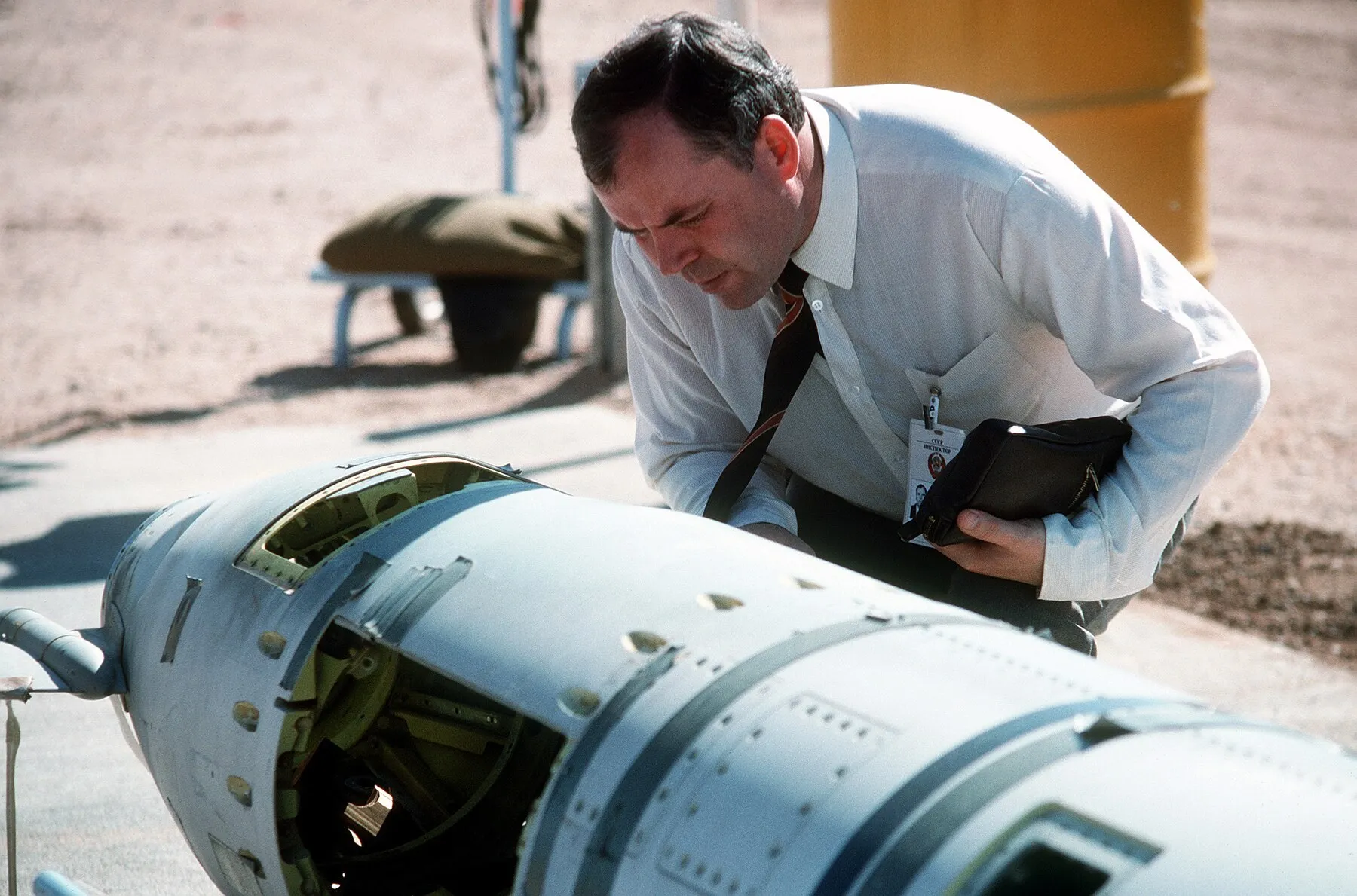
Assessment: manageable; the technology — the best-proven of all those listed.
V. The internal obstacle: the beneficiaries of the state of siege
The fifth obstacle does not usually figure in lists of this kind, though it ought to stand at their head: the chief adversary of return is neither in Brussels nor in The Hague but inside — and it is not the “people,” to whom isolation has given nothing but the meter of the ninth article. It is the circuit described in the second article, for which the state of siege is a source of powers, budgets and indispensability: structures and persons whose value to the system is directly proportional to the level of the threat that they themselves report upward. This circuit will resist a turn not out of conviction but out of position — as it has resisted in all previous cycles: frightening the summit of power with the price of opening and hiding from it the price of closure.
The precedents for its removal are known from the sixth article down to the details: this obstacle is not re-persuaded — it is re-staffed. Gorchakov did not have to re-educate Nesselrode, nor Shevardnadze Gromyko; they were replaced, and the circuit, having lost its node, reconfigured itself with astonishing speed — the apparatus that yesterday reported the siege was executing détente the day after, for the apparatus serves the configuration, not the idea. Hence this obstacle’s place in the inventory: it is the closest of all to hard in appearance — and the most removable of all in substance, because it is removed by a decision at a single level, the very level at which, as we established in the second article, everything in Russia is decided at all.
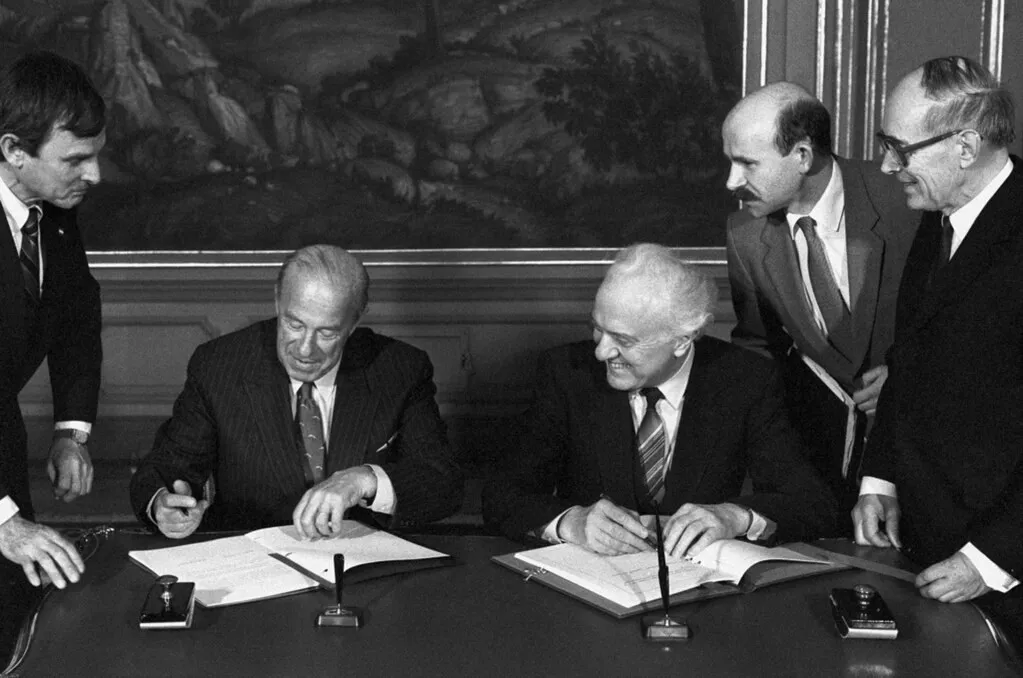
Assessment: looks hard, is removed by a personnel decision; historical precedent — three times over.
VI. The summary sheet
The summary picture of the inventory is as follows. Hard obstacles — two: the active war (removed only by a direct decision to stop) and the personal legal layer (removed only by a change of persons). Manageable — three: the territorial question (formulas for coexistence with non-recognition), the financial and claims layer (the currency of great settlements), trust (the technology of verifiability from zero). Removable by proven technology — the sanctions layer. And one obstacle of a special kind — the internal circuit of the siege’s beneficiaries — which on the map stands first, because it blocks access to all the others: while the picture of the world at the summit is shaped by those who feed off the siege, there will be no decision to stop, no personnel decision, no first small step.
Read the sheet whole — and what it was drawn up for comes into view: all the roads of the inventory converge on a single point. The stopping of the war — a decision of the summit. The personal legal key — a personnel one. The internal circuit — re-staffed from above. Three seemingly irreducible obstacles have one and the same address of decision, and that address has been known to us since the second article: the country of a single decision. An inventory of obstacles, honestly taken, has turned out to be not a list of walls but the blueprint of a single door.
The door is the subject of the two final articles: the thirteenth, on the leading stratum that is to open it, and the fourteenth — on what the turn of the key itself looks like.
The next article in the series: “The Leading Stratum: Who Is to Open the Door.”