
Eleventh article in the series “Returning to the West”
Changing the question
Ten articles of this series have looked from the Russian side. But a bridge has two banks, and an honest analysis is obliged to ask: does Europe even want a returning Russia? Is she not offended so deeply that the door stays shut whatever turn Moscow makes?
Let us begin by correcting the question itself. “Will Europe forgive” is a sentimental question, and in its dealings with Russia Europe has never been sentimental — neither for ill nor for good. The right question sounds different: do the European states have structural interests that a Russian return would serve, and do those interests outweigh the opposite ones? To the sentimental question no one knows the answer; the structural one is answered by history and arithmetic.
I. Three precedents: Europe has taken Russia back before
History supplies not guesses but statistics: within a century and a half Europe took Russia back three times — each time faster than contemporaries expected, and each time out of pure calculation.
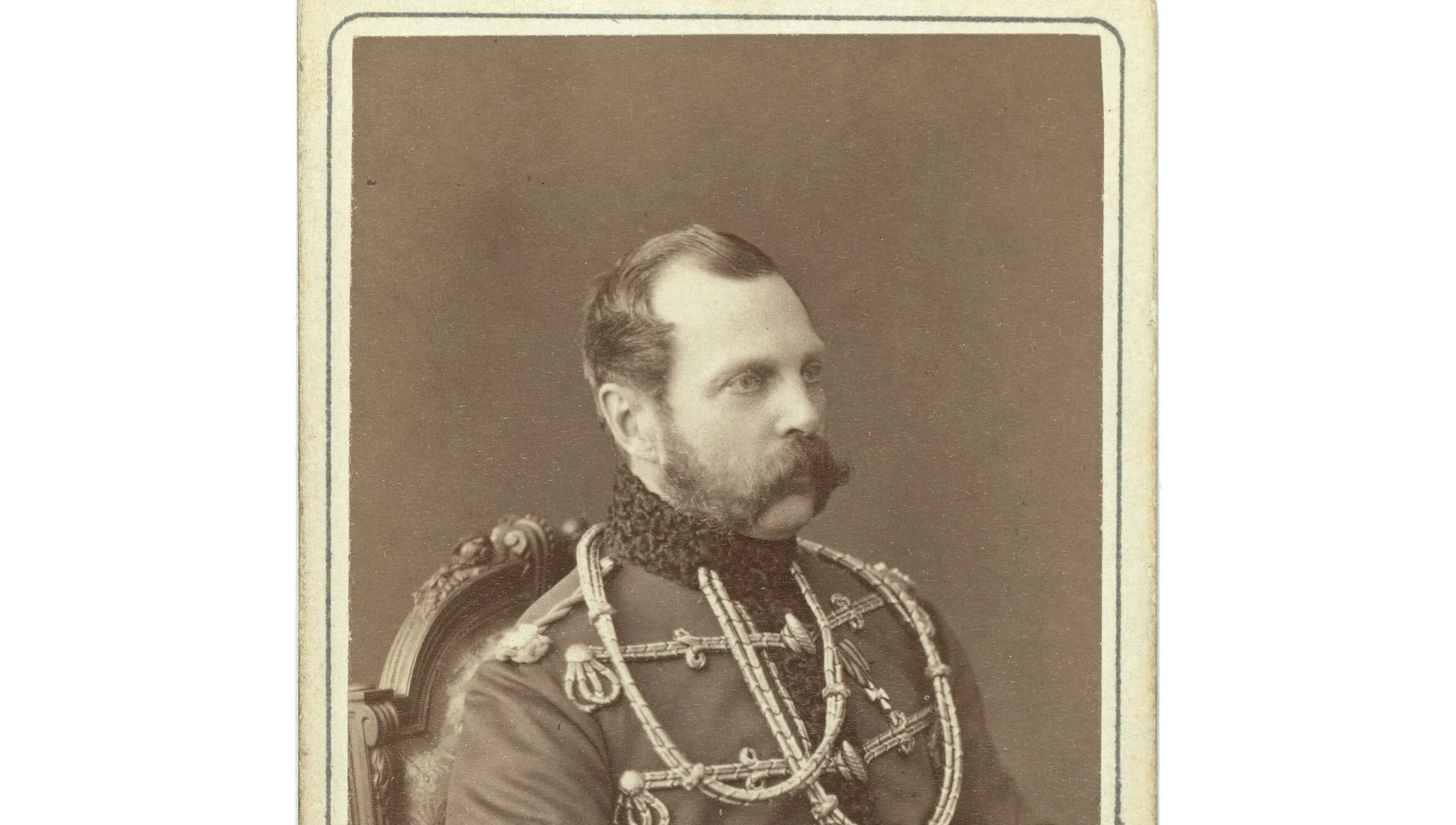
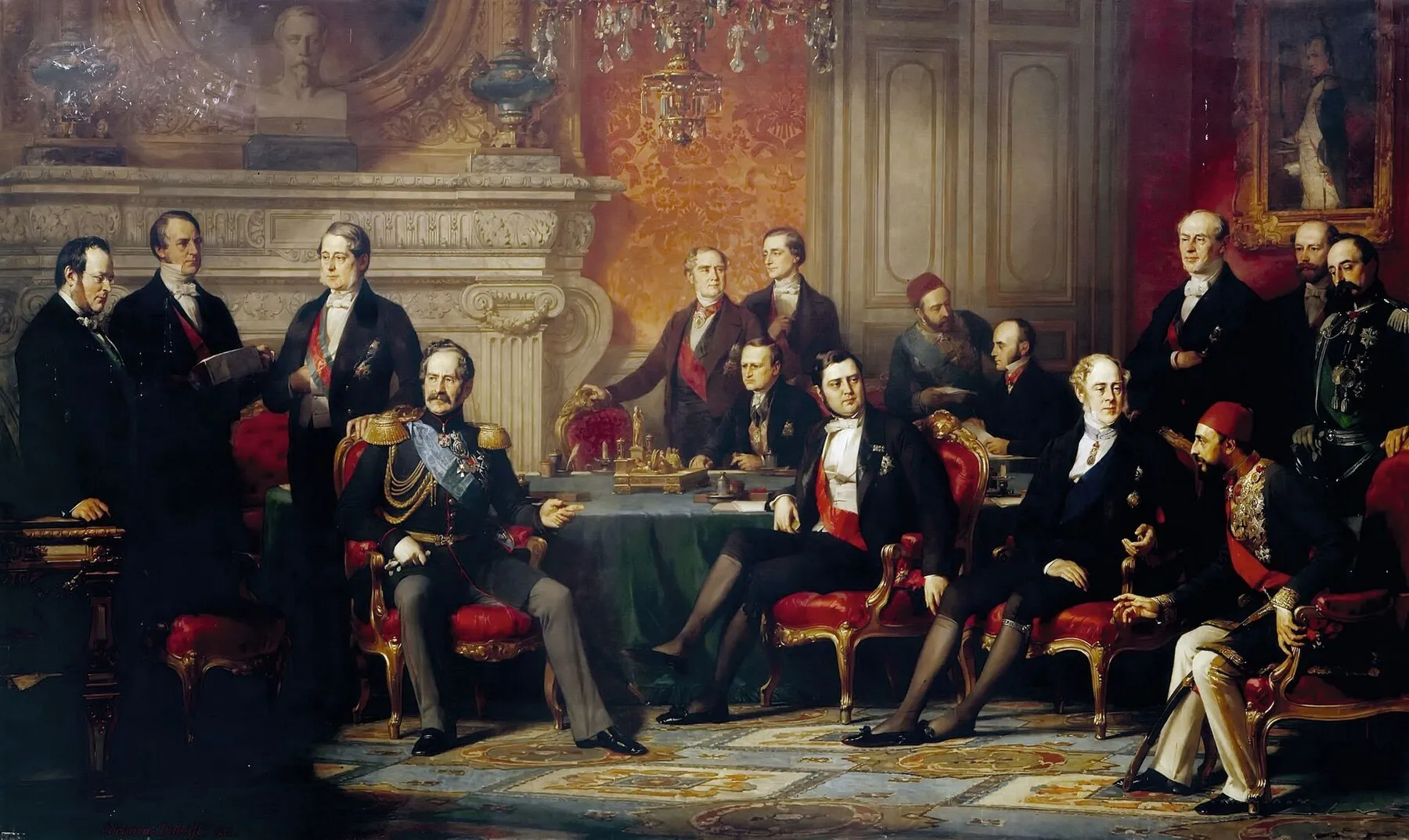
After the Crimean War. The war in which half of Europe fought against Russia ended in 1856; within a year or two the Franco-Russian rapprochement had begun — Napoleon III, yesterday’s enemy, sought in St. Petersburg a counterweight to Austria and Britain, while Gorchakov methodically converted Europe’s contradictions into Russia’s return to the common table. By the 1870s Russia was once again a full participant in the European concert; by the 1890s — the ally of that very France. From Sevastopol to the alliance — a single generation.
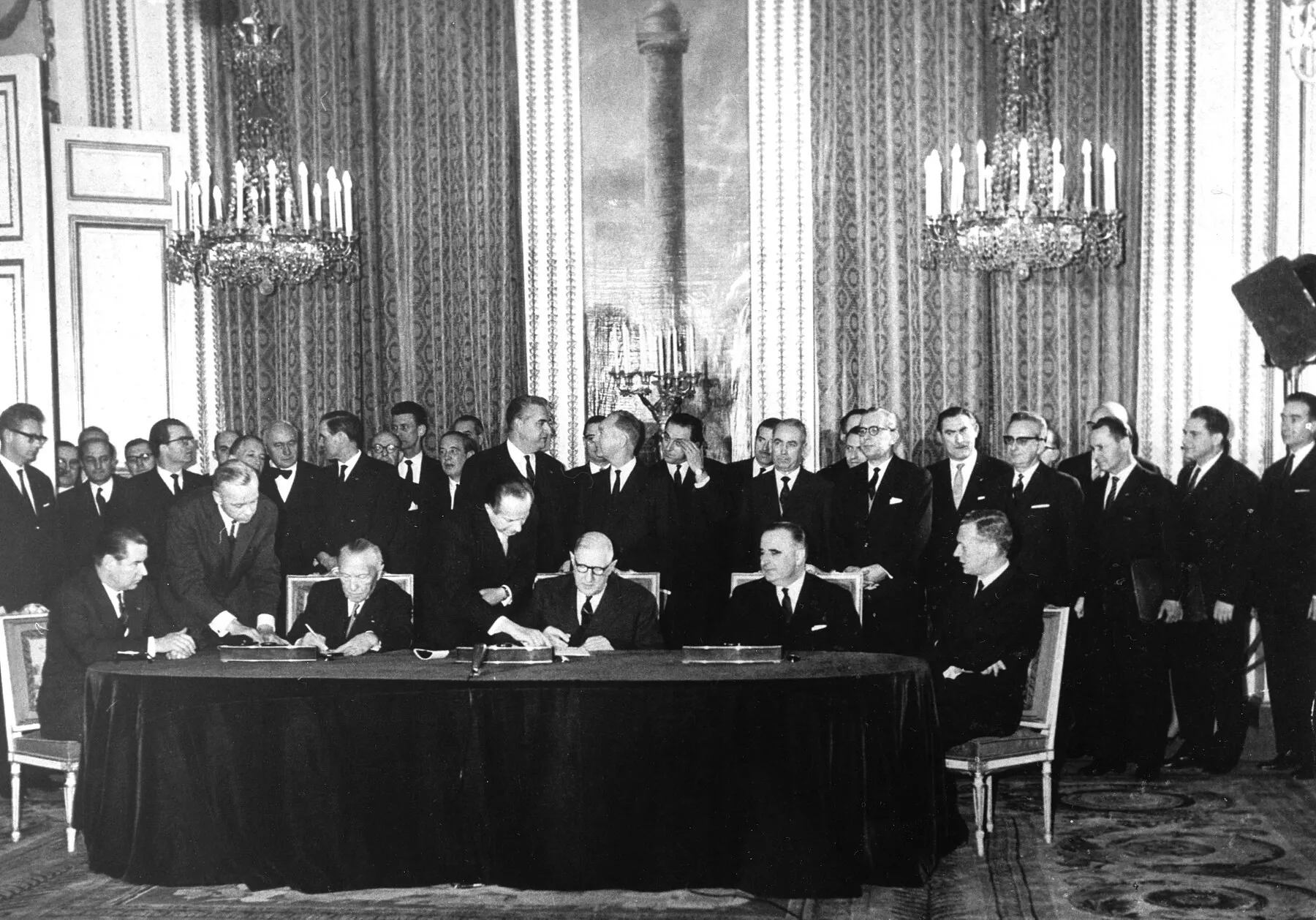
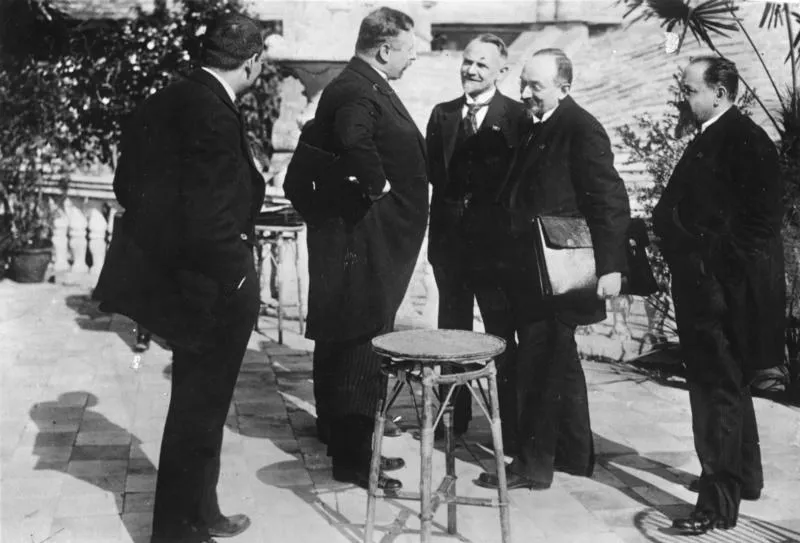
After the revolution. The limiting case, one would think: a state that had repudiated its debts, nationalized foreign property and openly proclaimed world revolution as its goal. The outcome: the Treaty of Rapallo with Germany — 1922, five years after October; the wave of diplomatic recognitions by Britain, France, Italy — 1924, seven years; Western concessions and turnkey factories — the 1920s and the first five-year plans (article 9). Europe traded and negotiated with a regime that was financing her own communists — because interest weighed more than ideology.
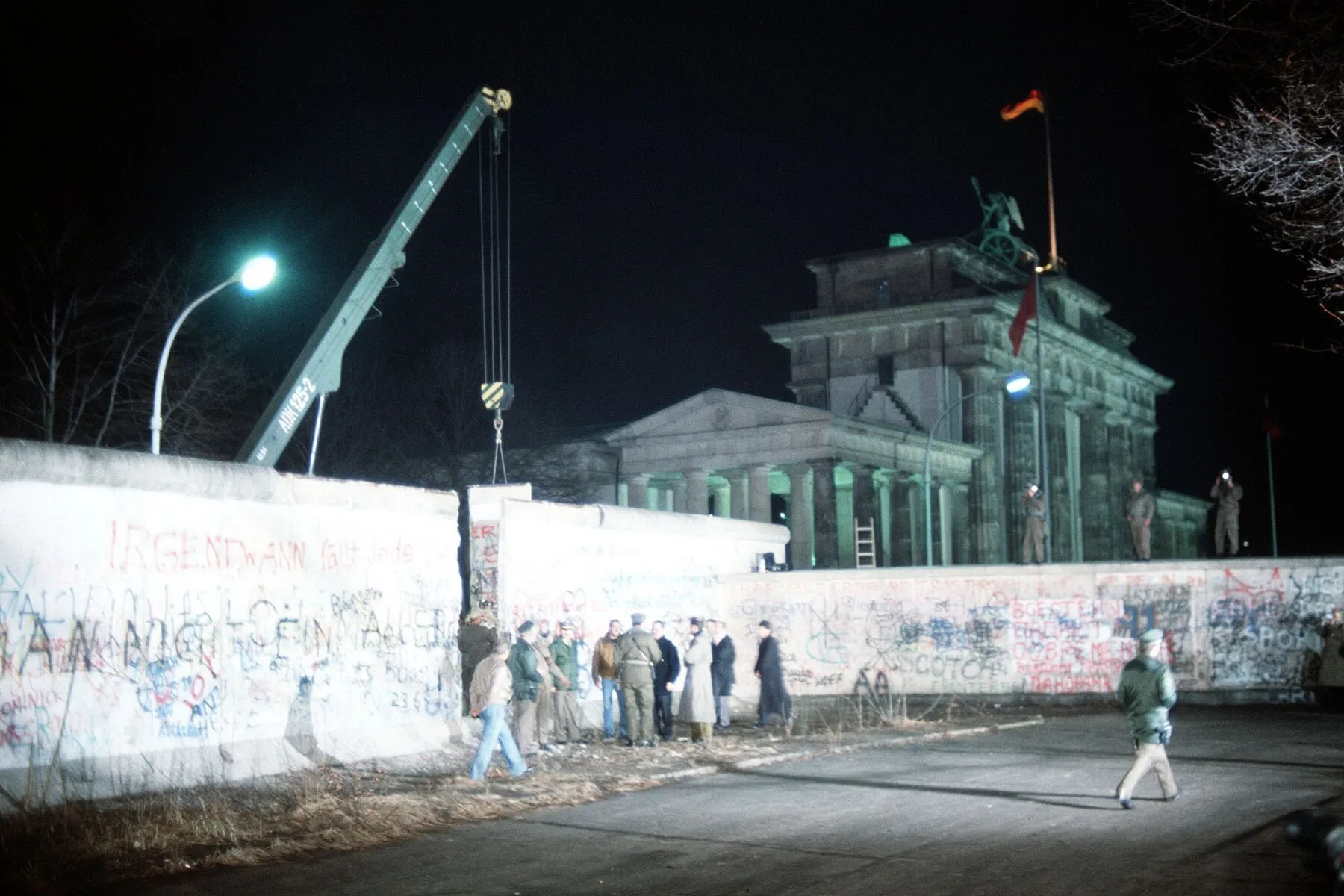
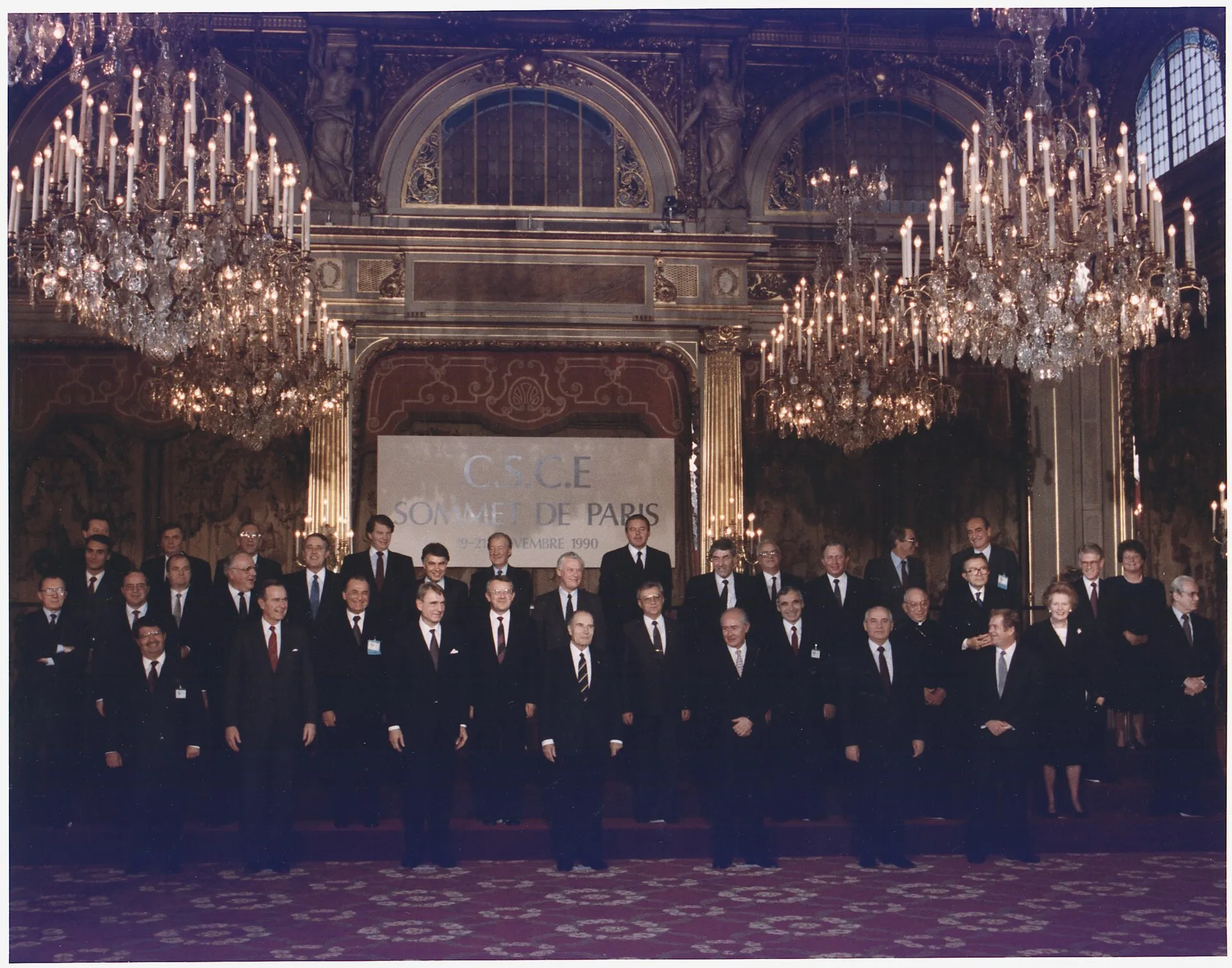
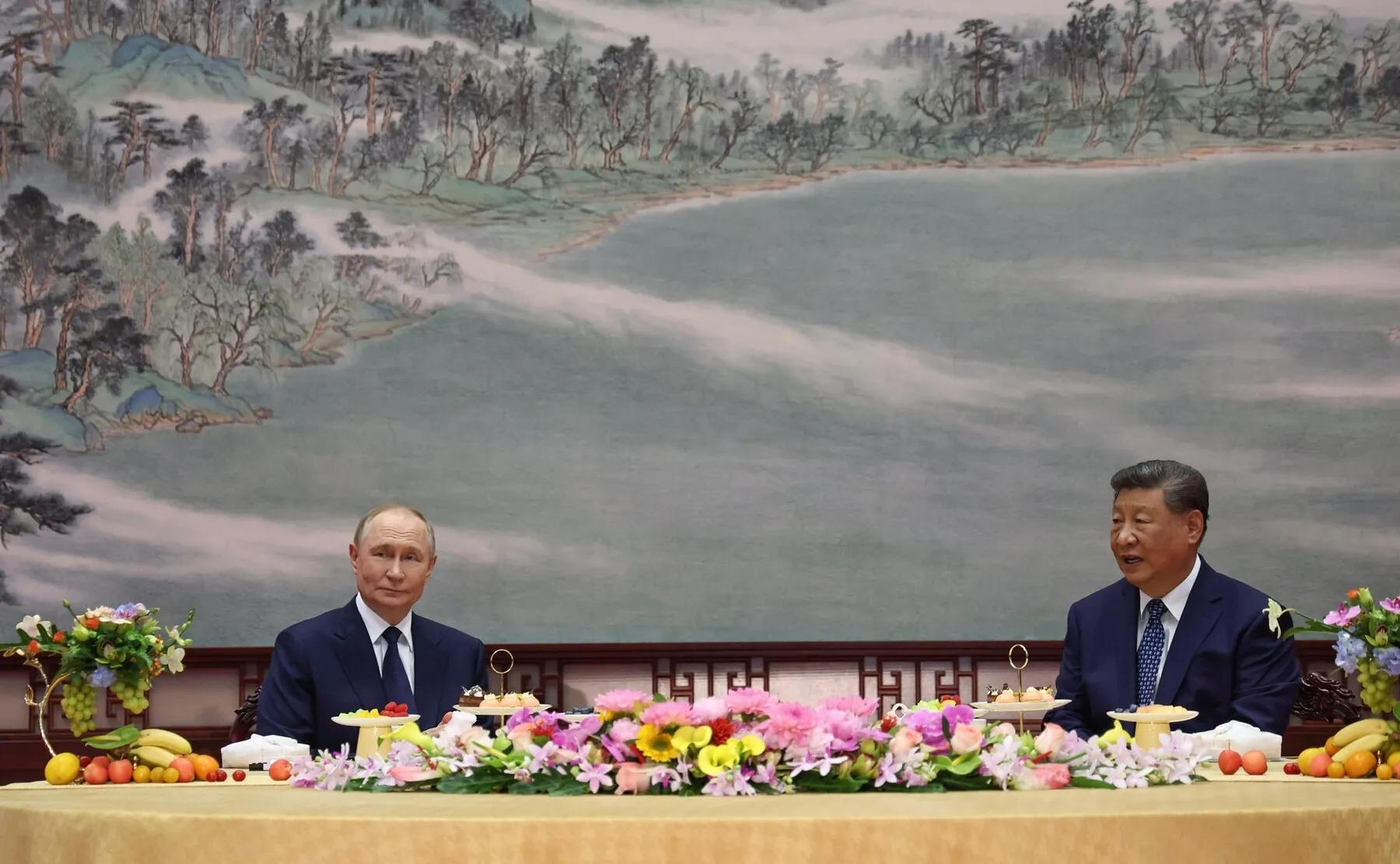
After the Cold War. Forty years of confrontation, generations raised on the image of the enemy — and then a headlong dismantling: the Charter of Paris of 1990, assistance programs, the invitation into the G8, an energy integration of such depth that thirty years later it had to be torn out with the flesh. The speed and depth of the reception were determined not by Moscow’s repentance (in the legal sense there was none) but by interest: cheap energy, a huge market, the demilitarization of the continent.
What this statistic gives us: taking Russia back is not a hypothesis but a behavior Europe has reproduced three times — and in all three cases after conflicts that contemporaries thought unforgivable. Pragmatism is a renewable quantity; the only question is whether it has anything to renew itself on today.
II. The structure of today’s interest: four components
Let us break the European side’s interest down into verifiable components.
Security. Confrontation with Russia is the most expensive line item in Europe’s future: rearmament measured in percentage points of GDP for decades ahead, a permanent risk of escalation at its own borders, resources drained away from every other priority — from climate to the technology race. A durably settled eastern flank is not a gift to Russia but Europe’s own first-order interest; every European defense strategy says so in plain text, naming the present state of affairs the greatest threat. A party that calls you its main problem is by definition interested in solving that problem — and military deterrence and political settlement are two instruments of one and the same interest, not mutually exclusive camps.
The economy. The ninth article showed the meter running on the Russian side; it has a European twin: expensive energy that has struck at industrial competitiveness (the European deindustrialization anxiety of recent years is a direct consequence), a lost market of a hundred and fifty million consumers, severed supply chains, a sanctions bureaucracy feeding third-country intermediaries at Europe’s expense. No European politician will say this aloud before a settlement — and every European industrialist counts it quarterly.
Geopolitics. The strategic nightmare of European planners has a precise name: the irreversible transformation of Russia into a raw-materials and military appendage of China — that is, the consolidation of all of Northern Eurasia under the control of the West’s chief systemic rival. Every year of isolation brings that outcome closer; any European strategy that thinks beyond the electoral cycle has an interest in the opposite — in a Russia that has a Western alternative and therefore freedom of maneuver. This is not love of Russia; it is an unwillingness to make a present of her to Beijing.
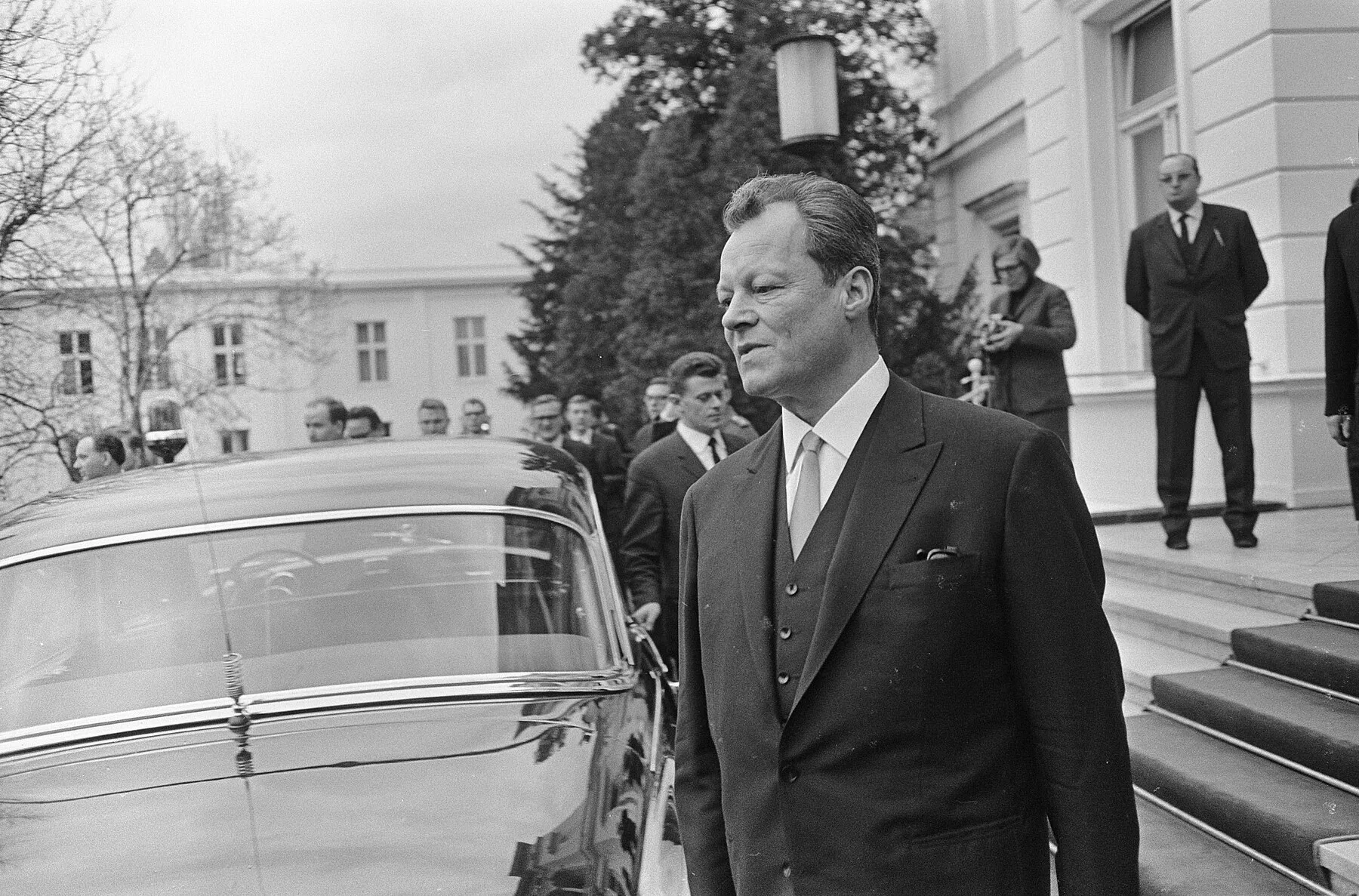
Society and culture. A component prepared by our articles 3 and 5: Russian culture, never expelled, after all, from Europe’s halls; the largest diaspora in a century, growing into European cities and economies; millions of personal ties. It is not the decisive factor — but it is the medium in which, when its hour comes, the calculation of the first three components will not be met by society with bayonets.
III. What Europe will not accept: an honest boundary
Ilyin’s formula from the seventh article — “the West accepts Russia as she is” — requires a qualification without which it turns into self-deception, and that qualification must be spoken with complete clarity.
What can be accepted “as it is” is Russia’s civilizational distinctiveness — her language, faith, culture, internal order, her refusal to be anyone’s pupil. That is what Ilyin wrote about, and that is what Europe accepted in all three historical receptions: neither Gorchakov, nor the Soviet people’s commissars, nor the Moscow of the nineties was ever set a change of identity as a condition.
What will not be accepted — and never has been — is something else: the changing of borders by force as a method, a “sphere of influence” as a right to dispose of one’s neighbors, and the denial of neighboring nations’ agency. This is not Russophobia and not a double standard — it is the load-bearing structure of the European order itself, hard-won in its own wars: a Europe that concedes the right of force to one brings the rule down for all, and therefore concedes it to none. Any project of return premised on “accept us together with our right to our neighbors” breaks against this wall not because of feelings about Russia, but because of Europe’s instinct of self-preservation.
Hence the central consequence for this entire series, and we state it without softening: the door to Europe opens only through a settlement with Ukraine — a just settlement, recognized by Ukraine herself, who in this process is a party, not an object. There are no side doors: neither Europe’s economic need nor her geopolitical calculation will work over the top of this condition, because for Europe it is not a foreign-policy condition but a constitutional one. Our series offers no recipes for a settlement — that is the subject of negotiations to be conducted by states — but it considers dishonest any talk of return that passes over this condition in silence.
IV. Who will be the engine — and who the brake
Calculation becomes policy through concrete forces; let us name them without illusions.
The engines of return on the European side are known from all three precedents: industrial and energy business counting its forgone profits; the tradition of “Ostpolitik” in the large continental countries, which has not vanished but merely fallen silent; the security pragmatists who prefer verifiable agreements to an endless race; and — a new factor — that part of the political spectrum which wins elections on the voter’s fatigue with confrontation. The brakes are just as real: the countries of the eastern flank with living historical memory, for whom any softening is an existential risk; the Atlanticist wing, which sees in the Russian question a test of cohesion; and the sheer inertia of the institutions and budgets created by confrontation, which, as we know from the second article, always have a departmental interest in prolonging the threat — the mechanics of the filtering circuits work on both sides of the curtain.
The outcome of the struggle between engines and brakes is not foreordained — but neither will it be decided in Europe. All three historical receptions of Russia began with a change on the Russian side: Europe never opened the door first, but neither did she ever keep it shut for longer than a couple of years once Russia had done her part of the work. The ball, as always in this story, is in the eastern half of the field — which is what the final articles of the series are about.
The next article in the series: “An Inventory of Obstacles: What Really Stands in the Way, and How Such Things Have Been Removed.”