


Fourteenth and final article in the series “Returning to the West”
A finale known from the first page
Fourteen articles. Three hundred years of a fabric that cannot be unpicked. Three attempts at isolation — three failures. A culture that conquered Europe from a wide-open house. The philosopher of the canon, who proved that the country’s health requires the very foundations with which today’s policy is at war. The Eurasianist scholar whose apparatus, honestly tested, points to Europe as the main channel of Russian passionarity. An economy paying markups of tens of percent for circumventing ties that were declared severed. A diaspora already building the bridge back. A Europe that took Russia back three times — out of calculation and without sentiment. Obstacles, each of which has its key. And three historical precedents of how exactly the key was turned: not by revolution, not by capitulation, but by a change of the people who shape the picture of the world at the top of power.
The final article adds no new arguments — it draws everything already said together into a single assertion and reinforces it where it is most vulnerable: on the mistakes.
I. The thesis of the finale: a change of entourage opens the door
Let us state it plainly.
A change of the leading stratum around the supreme power is not a sufficient condition of Russia’s return to constructive dialogue with the West — but it is the necessary one, and the first. All the other conditions — the end of the war, a settlement, trust, the lifting of sanctions — require decisions that cannot be taken and carried through the apparatus so long as that apparatus has been selected by the criterion of servility and feeds professionally off the state of siege. The history of the three turns shows: as soon as the configuration at the top changed, everything else began to move — slowly at first, then like an avalanche.
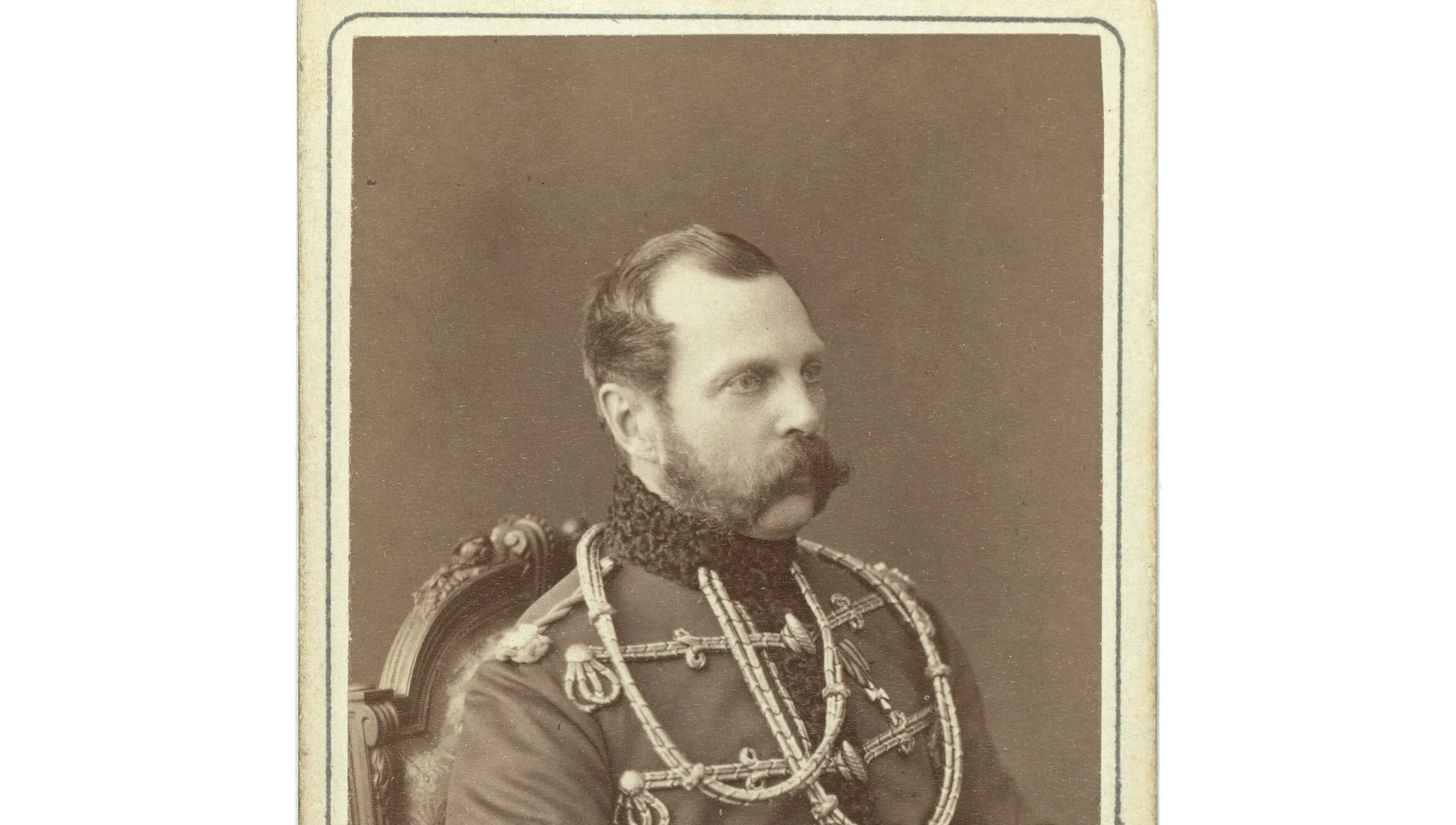
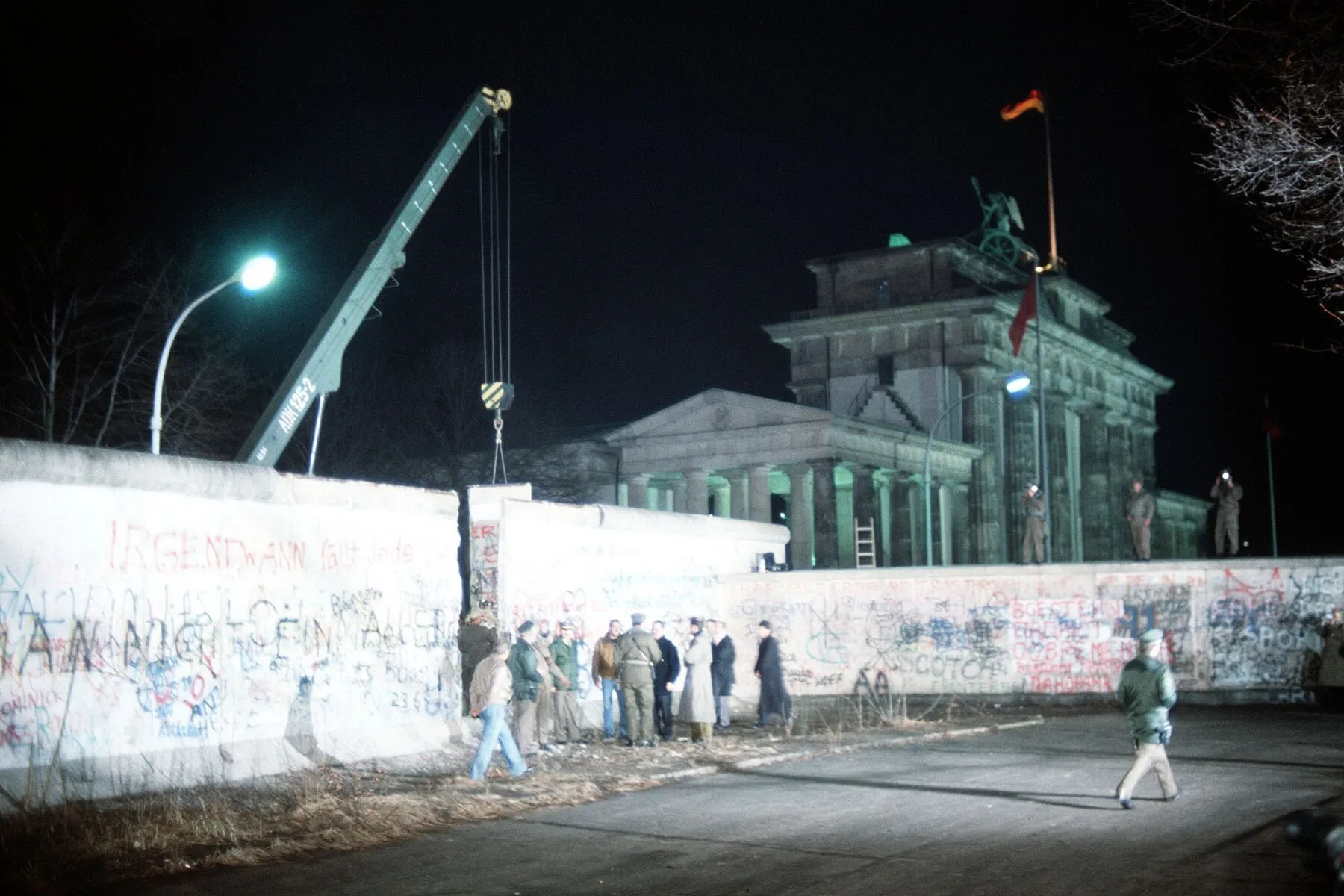
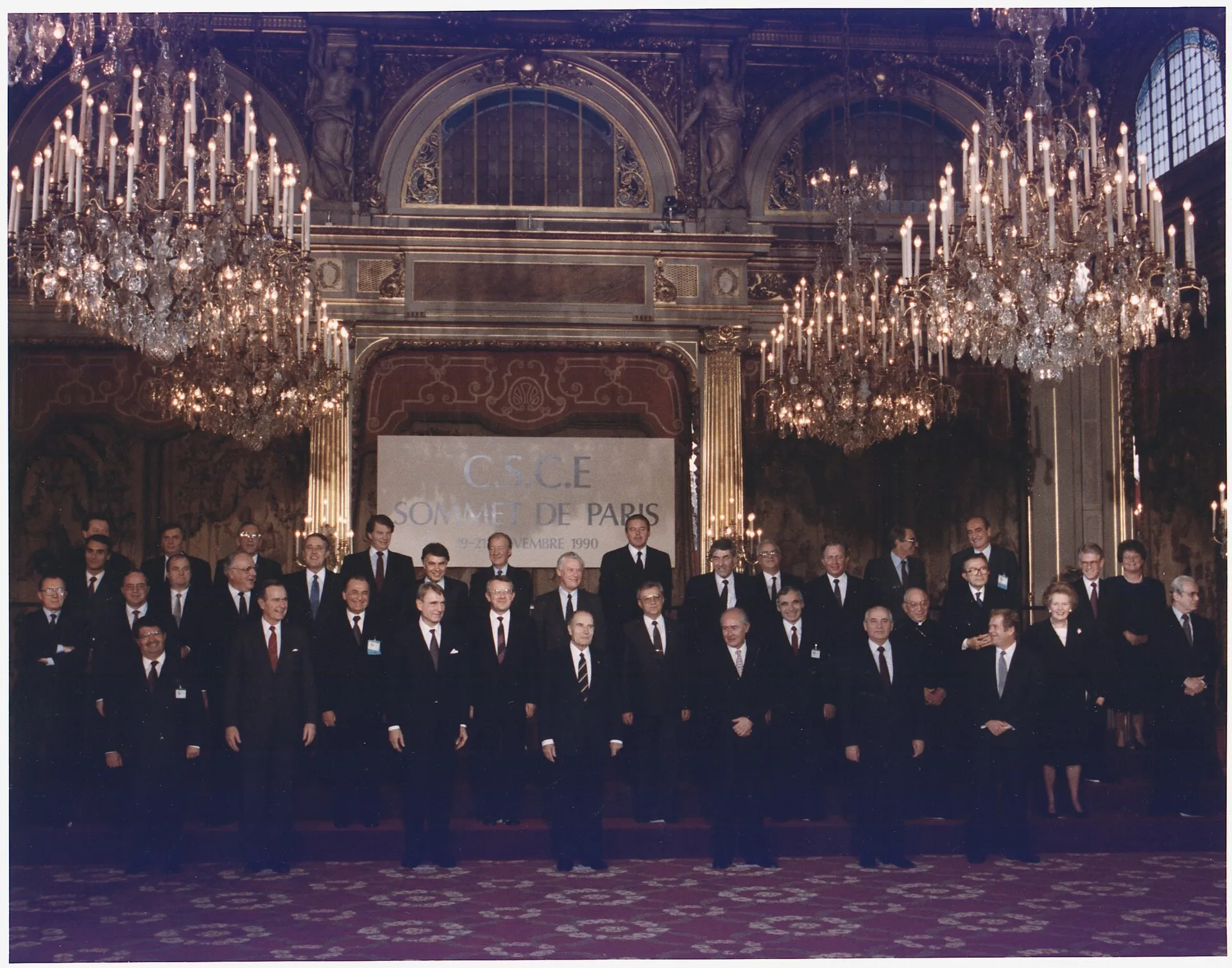
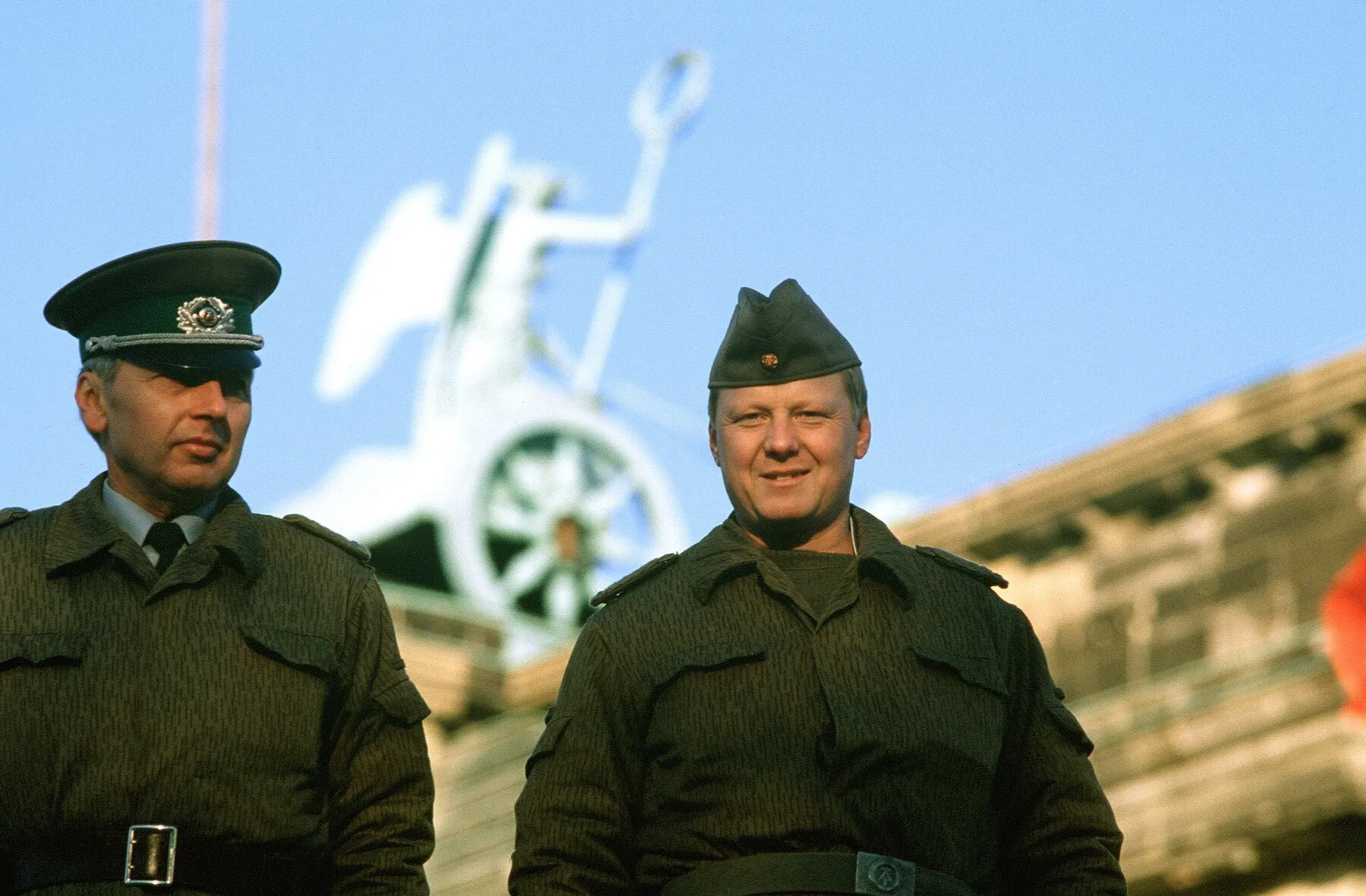
The precedents: Gorchakov in place of Nesselrode — and Russia returned to the European concert. The dismissal of Molotov, the elimination of Beria — and Khrushchev is in Geneva, Austria receives independence, Yugoslavia receives an apology. Shevardnadze in place of Gromyko and Yakovlev at Gorbachev’s side — and within three years the forty-year confrontation is dismantled. Three times, one and the same mechanics. Three times, one and the same first move.
Ilyin called this the renewal of the leading stratum — the advancement of people of competence and responsibility in place of people of servility. Gumilev would have called it the finding of a creative channel for the passionarity that the present cycle burns to no purpose. History calls it simply: personnel before policy.
II. Three mistakes of three turns: the obligatory list
Talk of the turn without talk of the mistakes is agitprop. All three precedents contain costly mistakes, and the finale of the series presents them not in footnotes but in the main text.
The mistake of the first turn (1856–1881): incompleteness.
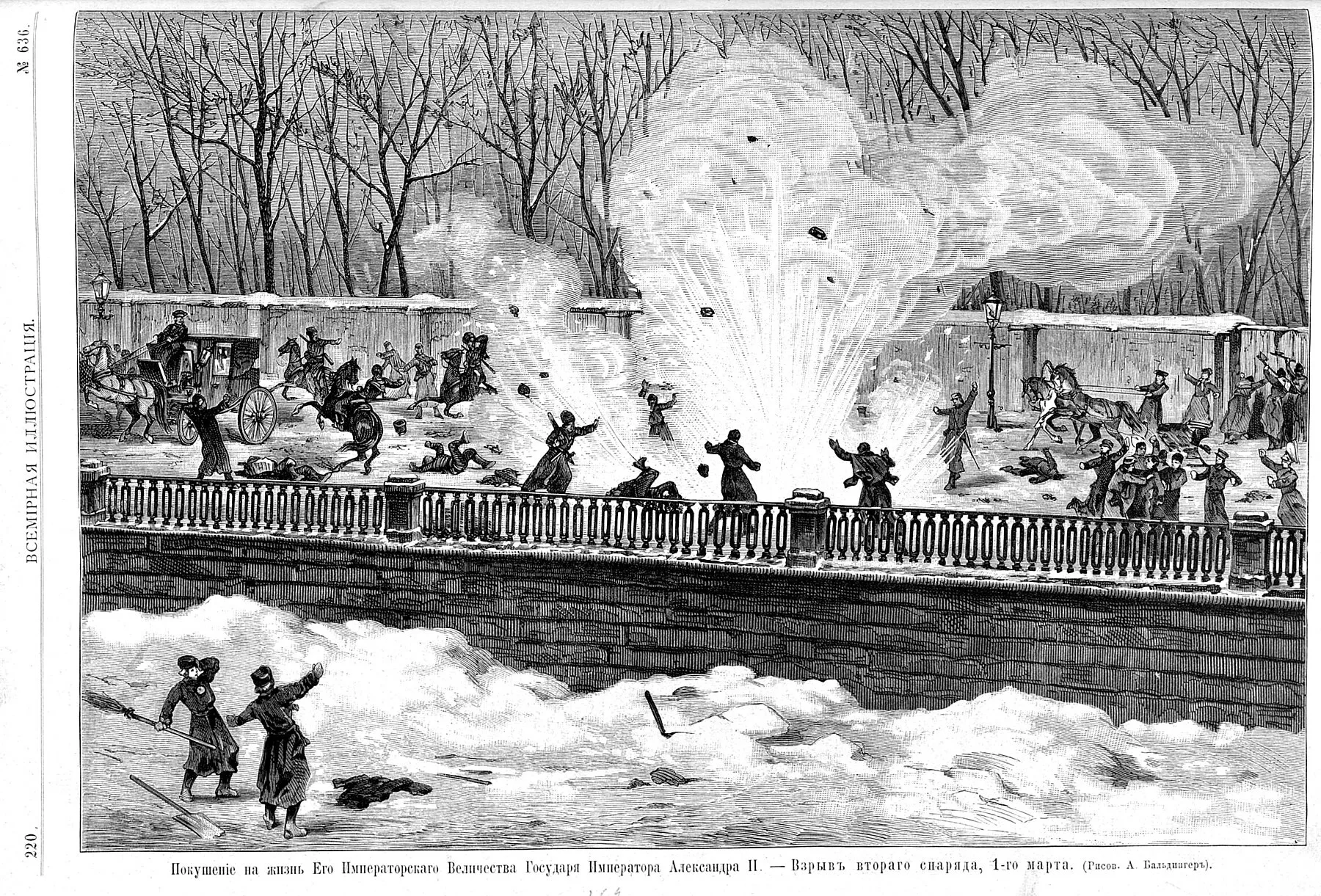
Alexander II carried out the deepest of reforms — and did not crown them with the institutions which alone could have built the turn into an irreversible construction. Every reform was held up by the personal will of the monarch. When that will began to weaken under the pressure of the counter-reform lobby, every line once won proved contestable. The assassination of 1881, Alexander III’s immediate turn back — and thirty years later the dead end of 1905, grown directly out of the unclosed account of the reforms.
Lesson one: a turn not built into institutions lives exactly as long as its author. Every step must leave behind it an irreversible layer — a court that is already working; a treaty that is already being implemented; a budget in which the line item already sits; a habit that can no longer be banned. To hurry with declarations and tarry with institutions is the classic recipe of counter-reform.
The mistake of the second turn (1953–1964): the loneliness of the course.
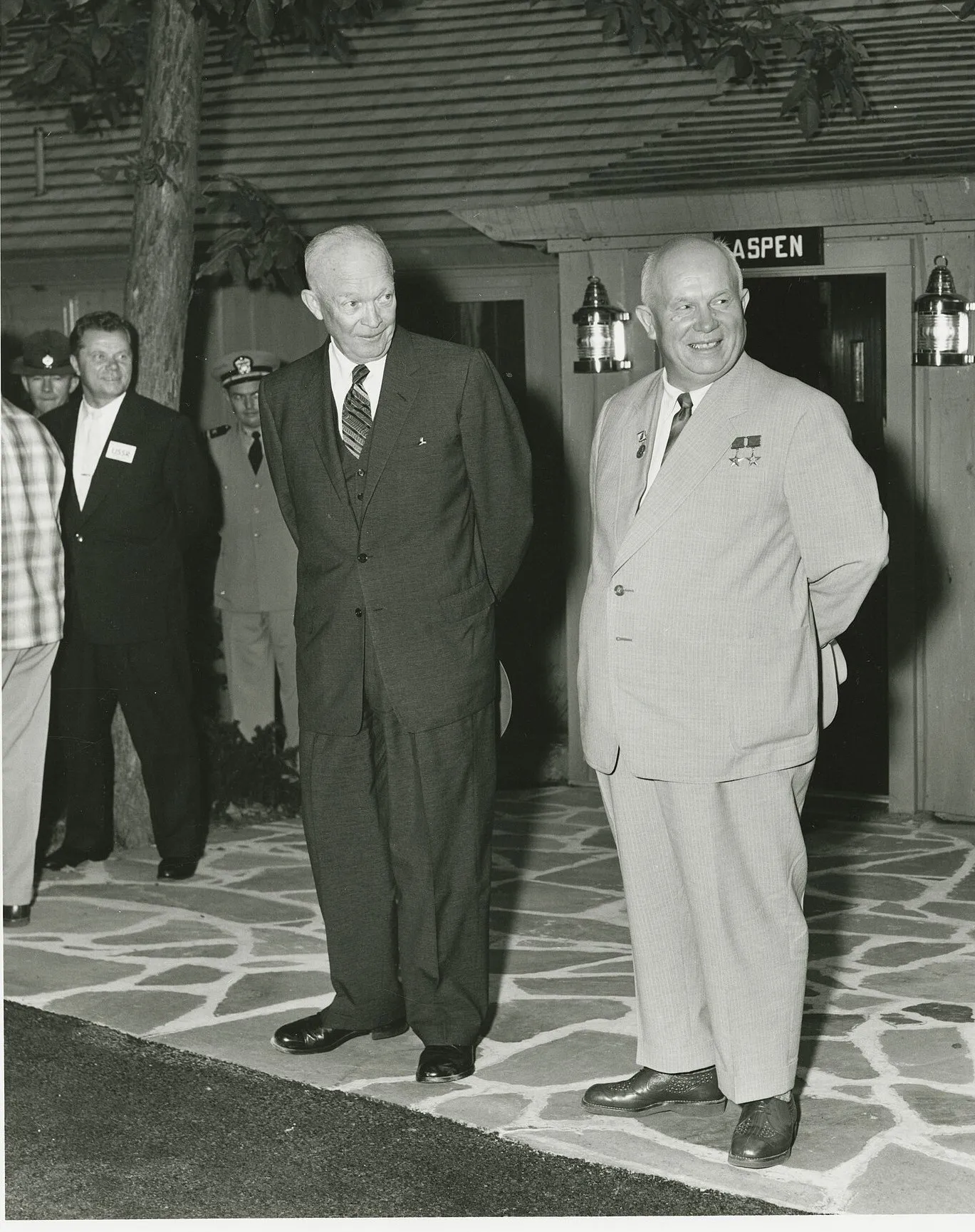
Khrushchev’s turn rested on one man and ended with him. The new thinking was not translated into legal norms, into professional standards for the apparatus, or into international agreements that would have been costly to revise. The apparatus that executed détente under Khrushchev executed the freeze under Brezhnev with the same precision — not because it had been replaced, but because it had never been re-formed to different professional standards.
Lesson two: the leading stratum of a turn must be renewed, not merely reoriented. A turn that does not create a new stratum with different professional standards is reversible at the first change of wind. Khrushchev gave the country the Thaw, but he did not give it judges, diplomats and analysts of a new type who would have stayed at their posts regardless of the next general secretary.
The mistake of the third turn (1985–1991): speed without a safety net.
Gorbachev’s turn gathered speed faster than institutions were built. By 1990 Germany was uniting, Soviet troops were leaving Europe, and the Soviet economy was falling apart faster than a market economy was being built. The political opening offered society freedom before it had given that freedom an economic meaning — and society linked the collapse to openness, not to the preceding decades of closure. That false link lives on in the mass consciousness to this day as an argument against the turn: “we opened up — and fell apart.” It is the longest-lived mistake of the three, because it has turned into a myth.
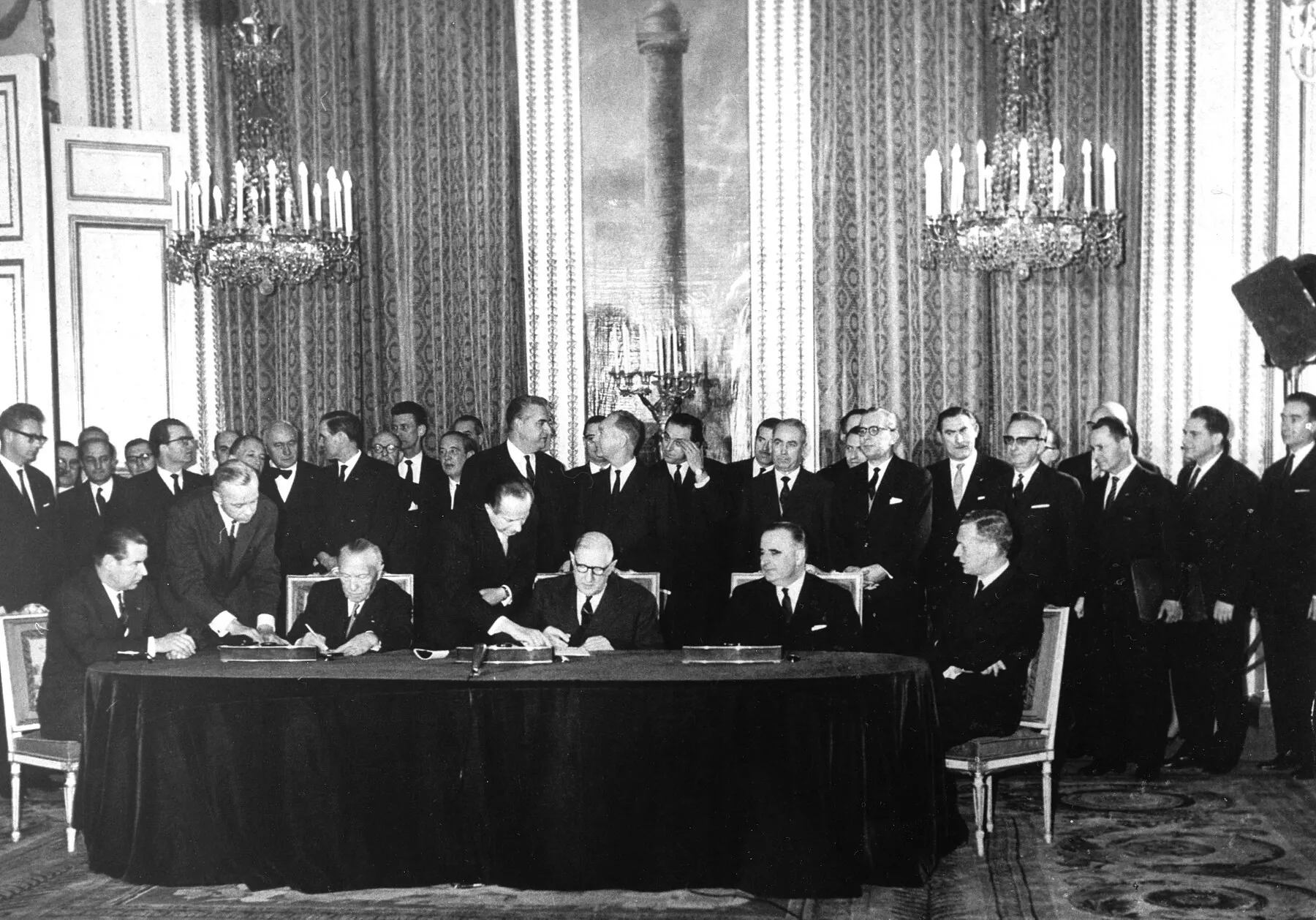
Lesson three: the tempo of a turn must be set by the speed at which institutions are built, not by the speed at which the old ones are dismantled. Adenauer built the Western anchoring more slowly than the impatient demanded — and precisely for that reason it proved irreversible. To remove barriers faster than their replacements are built is to create a vacuum that is filled by chaos, not by freedom.
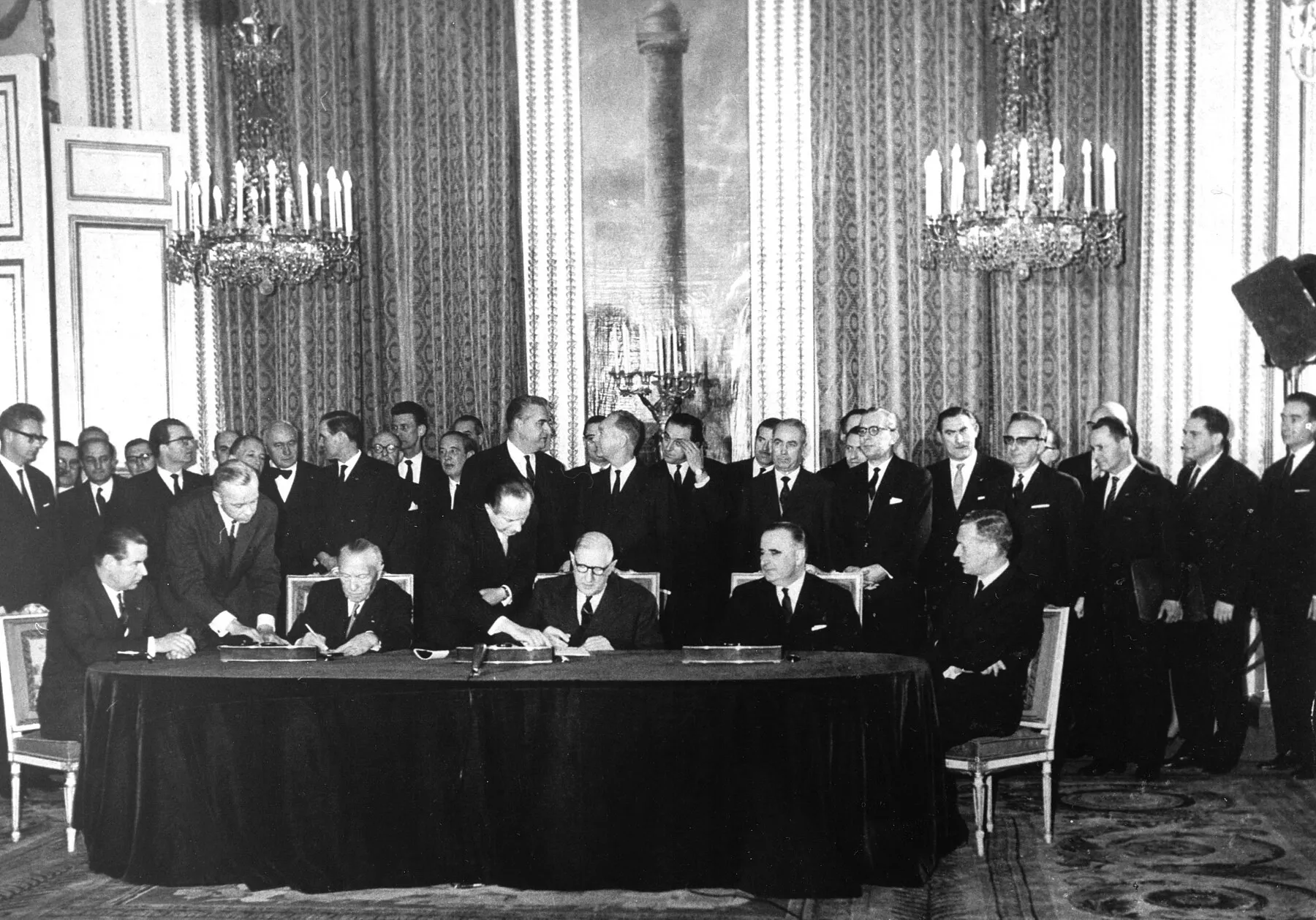
III. The fourth turn: what to do differently
The three lessons add up to a single requirement for the future team of the turn — if it appears, and when it appears.
The first requirement: institutionalize every step simultaneously with the step itself, not afterward. Every concession is registered by treaty. Every easing is locked in by a verification agreement. Every step toward openness is protected by a mechanism that makes rollback more expensive than continuation. Gorchakov did precisely this by intuition — his diplomacy moved slowly and gave every step legal form; that is why the Petersburg Protocol of 1877 outlasted Gorchakov himself.
The second requirement: build a professional corps, not a personal team. To replace Nesselrode with Gorchakov is beat zero. To raise the next Gorchakov before the present one departs is beat one. Diplomatic academies, analytical institutes with real independence, selection criteria written into regulations rather than held in the head of a single appointer — this is the boring bureaucracy which alone makes a turn irreversible.
The third requirement: synchronize the external and the internal tempo. The vulnerability of Gorbachev’s turn was that it made Europe a present of peace before it had secured for the country an economy for that peace. The fourth turn must move in two columns marching in step: every external opening — with a parallel internal gain that the population sees and feels. Only then will the link “openness — development” displace from the mass consciousness the inherited link “openness — collapse.”
IV. The formula of mutual acceptance: where the road leads
The seven words of Ilyin that became the motto of the series — let us set them down once more, because the final article is the best place for them to sound not as a slogan but as a conclusion:
The West accepts Russia as it is. Russia accepts the foundations of the West — not as an alien diktat but as that very legal consciousness without which, by the word of its own philosopher, it cannot come into its own. Neither side demands self-renunciation of the other. Both take the work upon themselves.
This formula is not utopian — it describes precisely what happened in 1856, in 1922 and in 1990: Russia did not become France, Europe did not become Russia, but they found a space of common work sufficient for peace, trade and mutual enrichment. Three times. Each time after a conflict that had seemed unforgivable. Each time faster than expected.
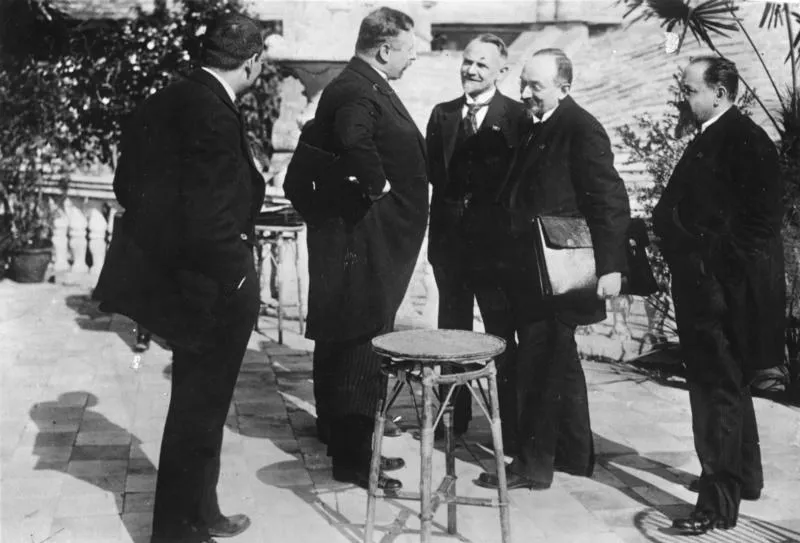
The fourth time will differ from the first three in the scale of the obstacles — and will resemble them in one thing: it will begin with someone at the top deciding to hear different people at his side. People who know the price of isolation at first hand. People who know how to report the inconvenient. People who possess both professional competence and the memory that Russia and Europe have already lived otherwise — and better for both.
That decision is a single one. In a country of one decision, one decision is enough.
The end of the series “Returning to the West.” Fourteen articles. Three hundred years. One door. One key.