
Sixth article in the series “Returning to the West”
From “is it possible” to “how exactly”
The first half of this series argued possibility: the ties cannot be severed (article 1), isolation is cyclical and always ends in a turn (article 2), openness produces greatness (article 3), Russian identity itself is European (article 4), the bridge of people already stands (article 5). It is time to change genre: from proving possibility to describing the method. How exactly did Russia turn? Not in slogans but in operations: who, in what sequence, with what first steps.
The material amounts to three episodes: 1856, 1953, 1985. Let us take each as a case study — and then extract the common algorithm, because there is one, and it reproduces itself with a precision almost indecent for a historian.
Case 1856: “Russia is gathering her strength”
The starting position. A lost Crimean War, financial exhaustion, diplomatic isolation, an army of the previous era. The late emperor left his heir a system in whose infallibility no one believed any longer — the heir included.
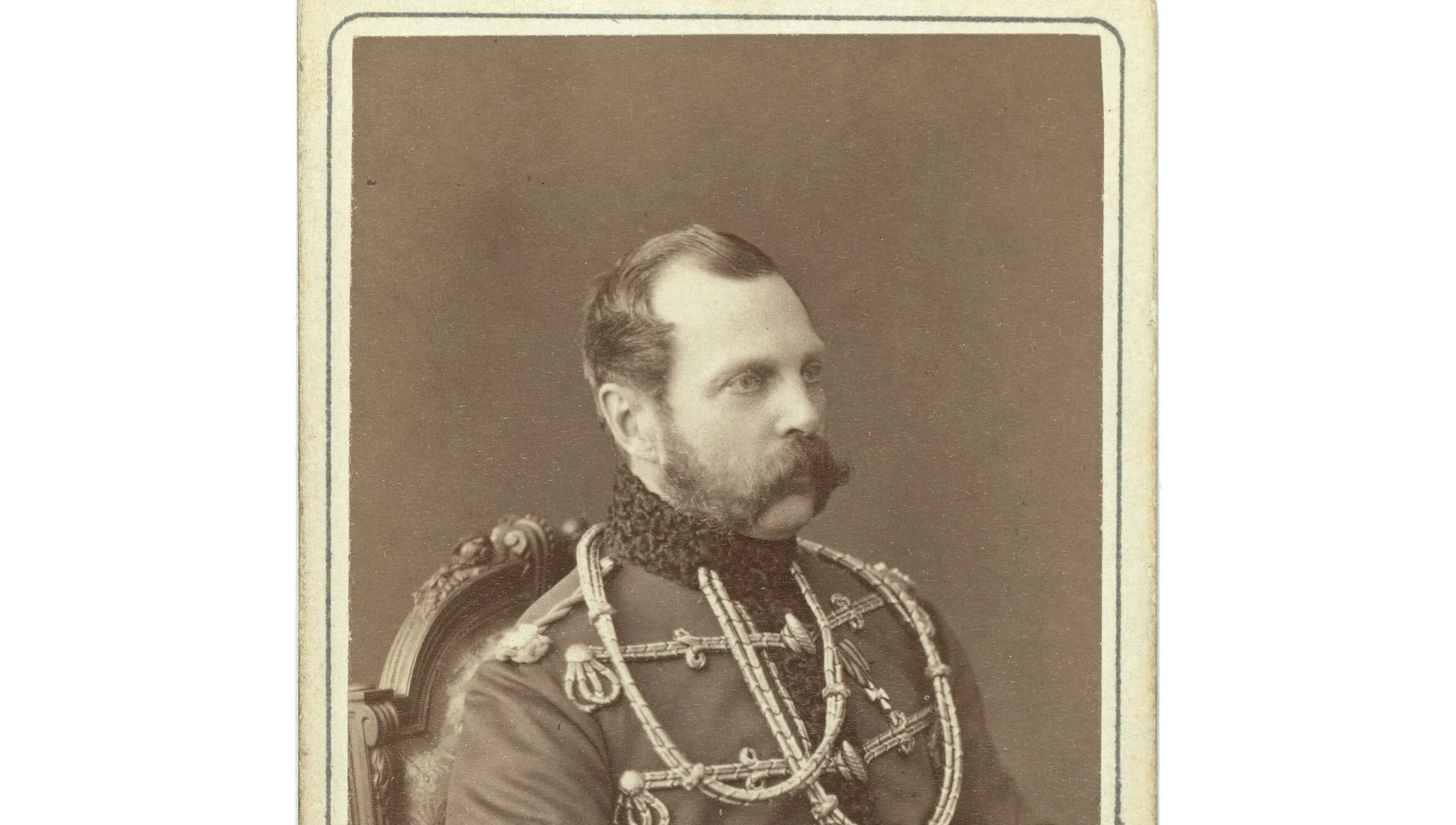
The first move is personnel — and that is the essential point. Before any reforms, Alexander II replaced the key figure of the entourage: in April 1856 Nesselrode — who for forty years had served as a living filter between Europe and the throne — was succeeded as chancellor and foreign minister by Gorchakov. The change of one man immediately changed both the picture of the world reaching the top and the language in which Russia began to speak with Europe. Gorchakov’s famous circular — “Russia is reproached with isolating herself and keeping silent… Russia is not sulking — Russia is gathering her strength” — was not a fine phrase but a program: a way out of confrontation without capitulation, through internal development. A formula, let us note, perfectly fit for reuse.
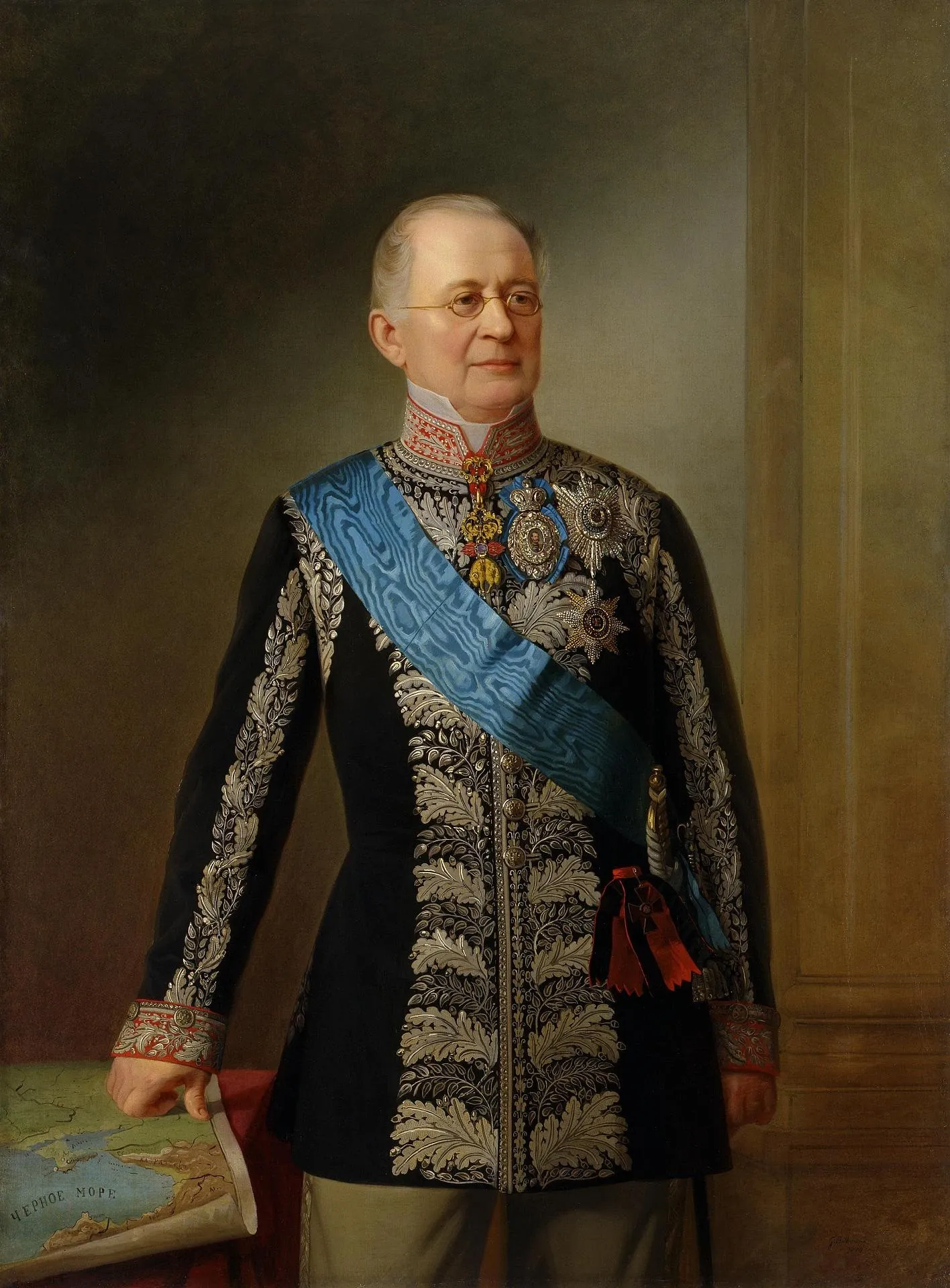
The second move is signaling. The Peace of Paris (March 1856) was signed on terms that were heavy but not catastrophic — and was immediately converted into an opening: the coronation amnesty for the Decembrists and the Petrashevtsy, a loosening of censorship, the lifting of restrictions on foreign travel and university admission, the abolition of the military settlements. Each of these gestures was addressed to two audiences at once — Russia’s own society and Europe — and was read identically by both: the course has changed.
The third move is institutional. Only then, on a prepared stage, did the reform proper begin: the manifesto of 1861, the judicial reform of 1864, the zemstvos, university autonomy, Milyutin’s military reform. It was driven by a team assembled from men of the second and third rank of the previous era — the Milyutin brothers, Golovnin, Reutern, around Grand Duke Konstantin Nikolaevich as the organizational hub. Not one of them was a revolutionary; all were professionals who had spent years accumulating projects in their desk drawers, waiting for their reports to find a new reader at the top.
The mistakes of the case. The half-heartedness of the peasant reform, which planted a mine with a two-generation fuse; the see-saw of reform and freeze that began as early as 1866; the failure to crown the restructuring with political representation, for which the dynasty paid in 1881 and, finally, in 1917. The lesson: a turn stopped halfway is more dangerous than one never begun.
Case 1953–1956: a turn without announcement
The starting position. The dictator’s death; a rural economy on the brink; a camp system the heirs themselves considered unmanageable; the Korean War; confrontation on all fronts.
The first move is again personnel — and again before policy. Already in March–June 1953 the new collective leadership changed the configuration: the abolition of Stalin’s secretariat as the center of power; the arrest of Beria (June 1953) — the removal of the most fearsome figure in the entourage; and in 1956–57 the removal of Molotov, the living symbol of confrontational diplomacy, from the Foreign Ministry and then from power altogether. Note the repetition: as in 1856, the turn begins with the removal of the long-serving “gatekeeper” of foreign policy.
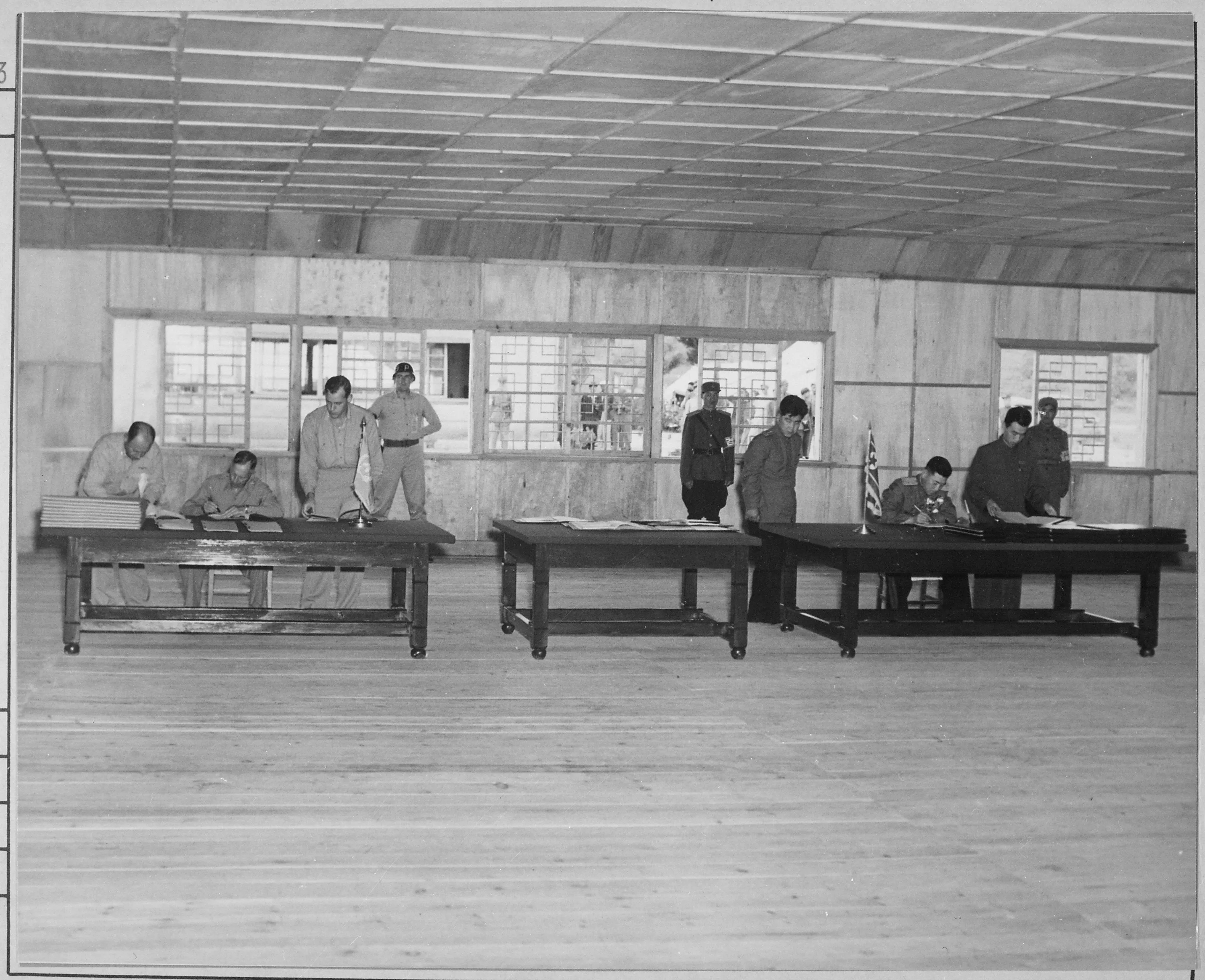
The second move is signaling — and at astonishing speed. The armistice in Korea — July 1953, four months after Stalin’s death. Then came a succession of gestures, each unthinkable a year earlier: normalization with Yugoslavia, including Khrushchev’s personal visit to Tito with a de facto apology (1955); the State Treaty with Austria and the withdrawal of Soviet troops from Austria (1955) — the only case in history of a voluntary Soviet departure from an occupied European country; the Geneva summit with the leaders of the West (1955) — the first in ten years; the establishment of relations with West Germany and the return of prisoners of war (1955). At home — amnesties, the beginning of rehabilitations, the opening of the Kremlin to the public, the Youth Festival of 1957, which let thirty thousand foreigners into Moscow.
The third move is doctrinal. The Twentieth Congress (February 1956) gave the turn its official language: “peaceful coexistence” as the general line, and the Secret Speech as the break with the preceding period. Crucially, the report laid the blame on the late leader and the “cult,” shielding the system itself — a maneuver that secured the apparatus’s loyalty to the turn. The condemnation of the past was calibrated precisely so that the apparatus could take part in it rather than defend itself against it.
The mistakes of the case. Hungary 1956 — the bloody limit of the turn, which showed Europe its boundaries; Khrushchev’s lurches from Geneva to the Berlin ultimatums and the Cuban missile crisis; the non-institutionalization of the course, which rested on one man and was rolled back together with him. The lesson: a turn without institutions lives no longer than its author.
Case 1985–1989: the turn as cascade
The starting position. Economic stagnation, the Afghan war, an arms race at the limit of the possible, a gerontocracy that had lost three general secretaries in three years.
The first move is personnel — for the third time running, and swiftest of all. Within his first year Gorbachev replaced practically the entire apparatus that shaped the picture of the world at the top: Gromyko, who had headed the Foreign Ministry for twenty-eight years (“Mr. Nyet”), was kicked upstairs to a ceremonial post in the Supreme Soviet, and his place went to Shevardnadze, a man with no diplomatic past and no burden of confrontation (July 1985); the head of government and the Moscow and Leningrad leaders were replaced, and within two years — the majority of the Politburo and the regional committees. A new type of adviser appeared as well: Yakovlev, back from a decade of “exile” as ambassador to Canada — that is, a man who knew the West at first hand, not from briefing papers.
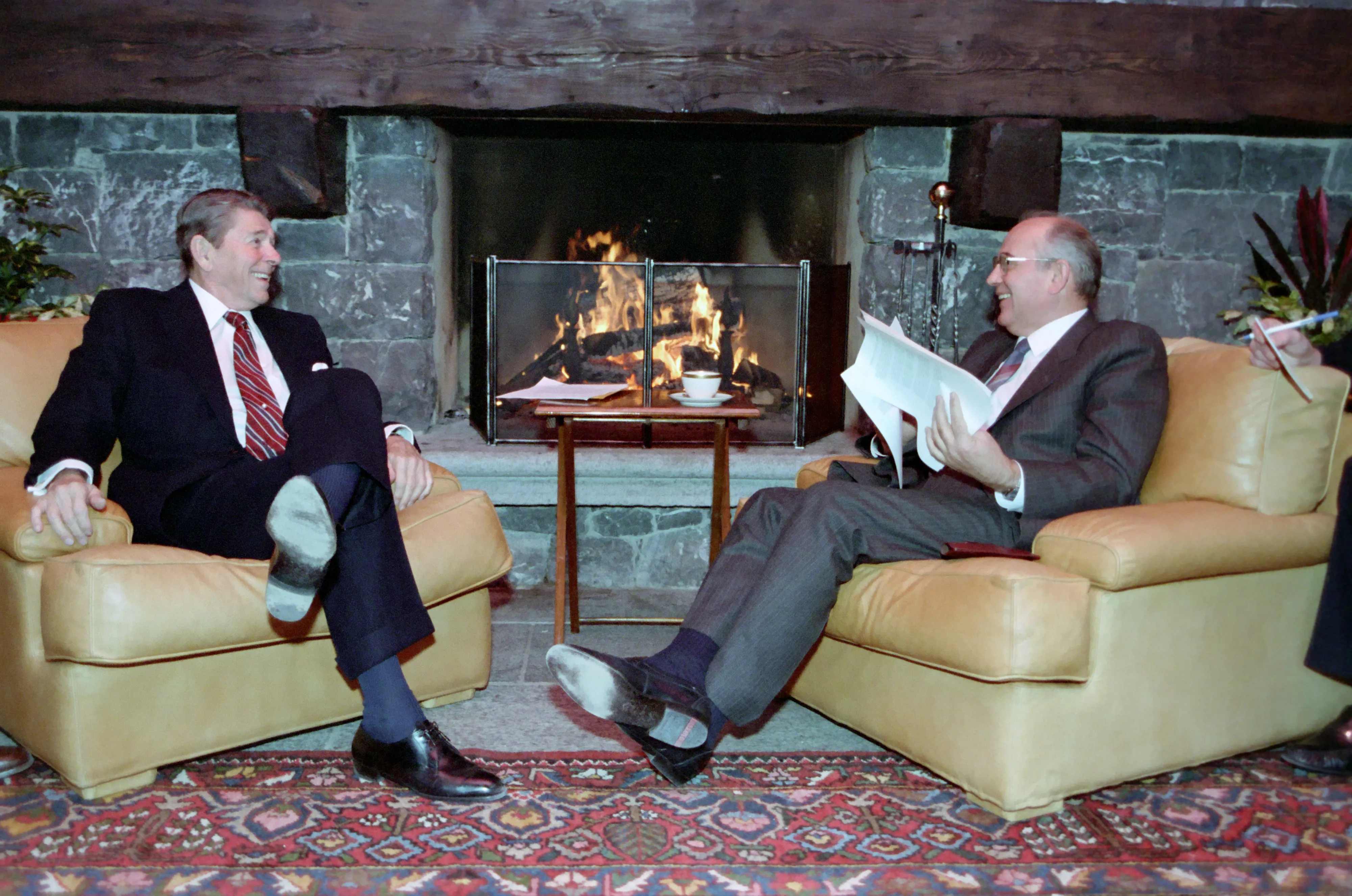
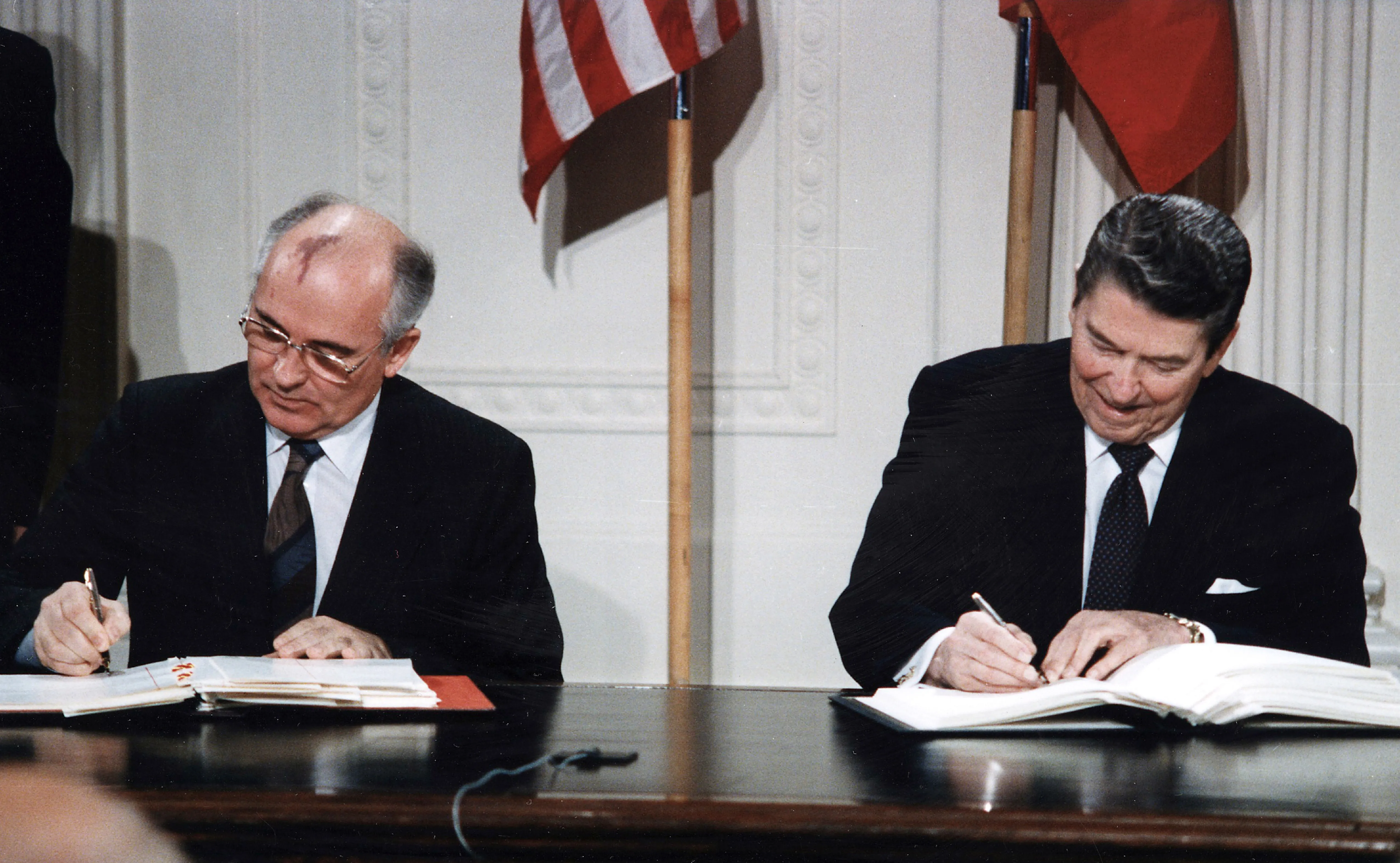
The second move is signaling — in salvos. Geneva (November 1985) — the first meeting with an American president in six years; the moratorium on nuclear tests; Reykjavik (1986), where the very existence of nuclear weapons became the subject of bargaining; the release of Sakharov from his Gorky exile by the general secretary’s personal phone call (December 1986) — a gesture addressed to the West and the intelligentsia at once, and read instantly by both; the beginning of the withdrawal from Afghanistan (the decision in 1987, completion in February 1989); the INF Treaty (1987) — the first elimination of an entire class of weapons in history.
The third move is doctrinal. The “new thinking”: the official recognition of the priority of universal human values over class values, the “common European home” as the formula of the goal, the renunciation of the doctrine of limited sovereignty for the socialist countries, crowned by the UN speech (December 1988) on freedom of choice for all peoples. In four years the country went from “evil empire” to the most popular state in Western public opinion — a record for reputational turnaround that has never been matched.
The mistakes of the case. The external turn outran internal reform, and the widening gap between external triumph and internal economic disarray ate up its social base; the old levers of control were lost before new ones were built; the ending is known. The lesson, symmetrical to that of 1856: a turn not backed by internal success loses its author — though, let us note, its external results themselves (the reunification of Europe, the end of the arms race) did not go anywhere and outlived the USSR.
The algorithm: what the three turns share
Now for the common blueprint. Three epochs, three incommensurable orders, one reproducible algorithm of four beats.
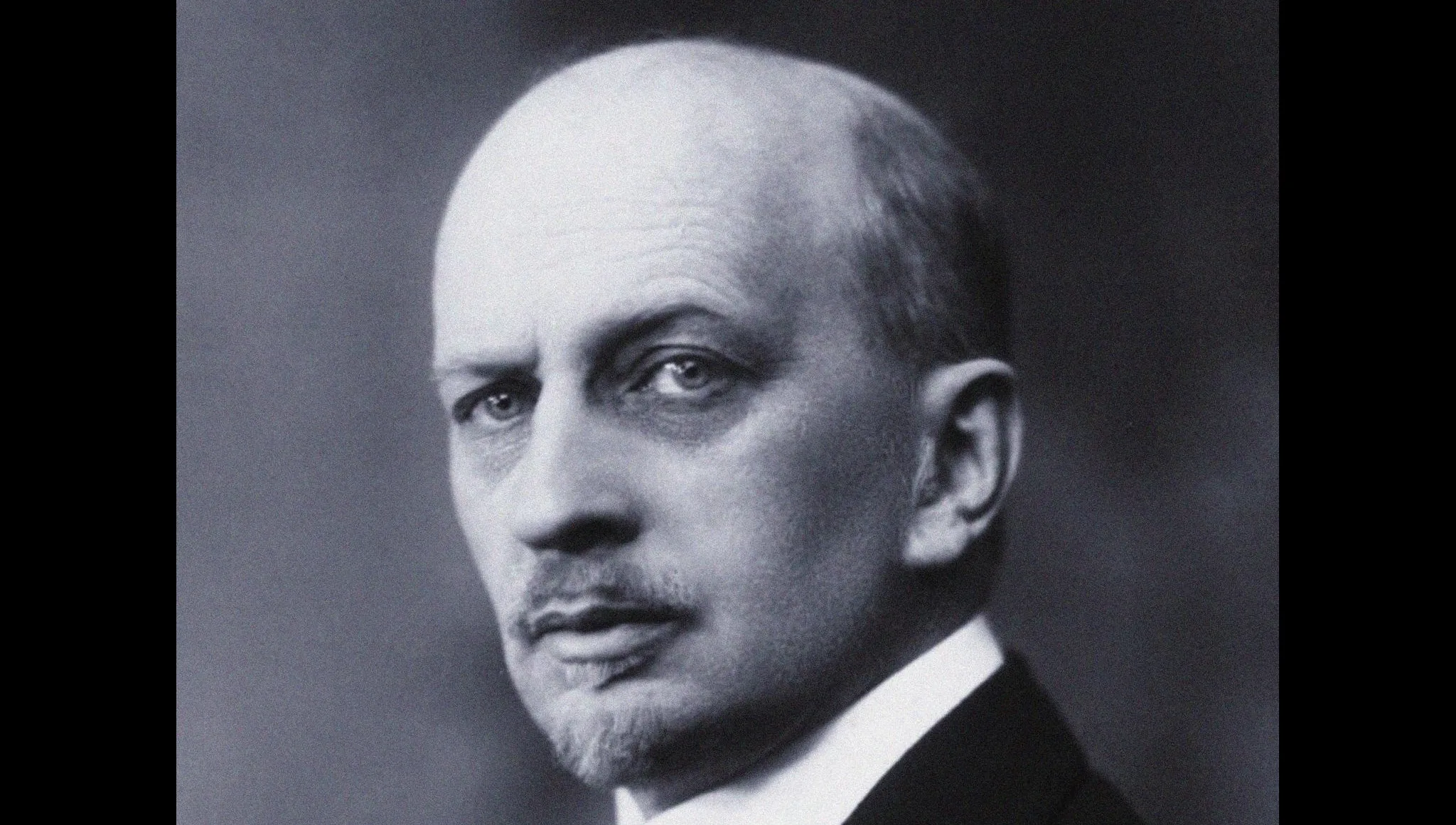
Beat one: change the entourage — before changing the course. In all three cases the turn began not with declarations but with personnel, and not with personnel in general but with one and the same position: the removal of the long-serving keeper of the confrontational picture of the world. Nesselrode — Molotov (and Beria) — Gromyko: each of them stood for decades between the top of the power structure and reality, and not one turn could begin while that figure remained in place. This is not coincidence but the mechanics described in the second article of this series: a country’s course is a derivative of the reports that land on the desk of the man at the top; to change the course, one must first change the briefers. Here a philosopher whom today’s Russian authorities honor officially deserves a hearing. Ivan Ilyin, reflecting in Our Tasks and On Russia to Come on the country’s future after communism, considered the central question to be not the form of government but the quality of what he called the leading stratum: the circle of people who actually prepare and carry out decisions. Russia, he wrote, would be saved or ruined not by doctrines but by the selection of its leading stratum — and he considered the chief danger a degenerate stratum, selected for servility and self-interest rather than conscience and competence. The history of the three turns confirms Ilyin’s lens with documentary precision: each time, the renewal of the leading stratum was not a consequence of the new course but its precondition.
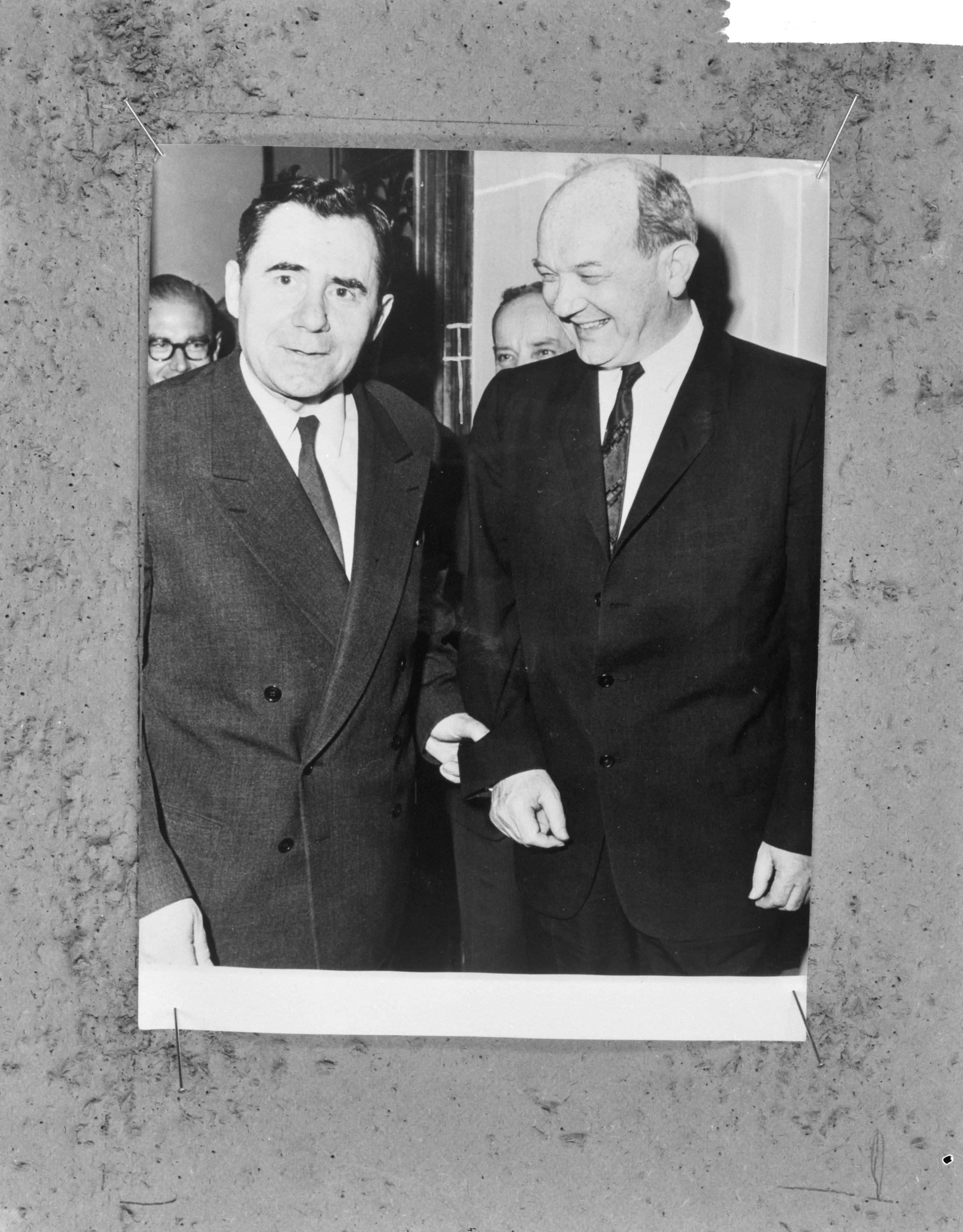
Beat two: quick signals at low cost. An amnesty, the release of a prisoner, a troop withdrawal from a secondary theater, a summit meeting, an easing of exit rules — gestures that require neither capitulation nor big money, but are read unambiguously by every addressee. All three turns accumulated their initial capital of trust in precisely this way, within a year or two.
Beat three: a formula without capitulation. Each turn needed a language that allowed the course to change without an admission of defeat: “Russia is gathering her strength,” “peaceful coexistence,” “new thinking and the common European home.” Each time the formula (a) came from the supreme power itself, (b) shifted responsibility for the confrontation onto a past period or onto objective circumstances, and (c) described the opening as a continuation of strength, not weakness. This is not hypocrisy — it is the necessary mechanics: the turn is carried out by the same machinery of state, and it needs a language in which it is not a criminal but an heir correcting excesses.
Beat four: institutionalization — or rollback. Here the paths diverge: 1856 managed to build the turn into courts and zemstvos (and they survived the counter-reforms); 1956 built in almost nothing and was rolled back; 1985 built in too late. The general law: only the part of a turn that has had time to become an institution, a habit and an interest of a sufficient number of people becomes irreversible.
And the last common feature, the most underrated: speed. From the death of Nicholas to the Peace of Paris — a year; from the death of Stalin to the Korean armistice — four months; from Gorbachev’s election to Geneva — eight months. A turn in Russia does not ripen for decades — it comes in a single lunge, as soon as the configuration at the top changes. To outside observers all three turns came as a surprise; to the reader of this series they should come as no surprise.
The observer’s checklist
Let us convert the algorithm into a working tool — a list of early indicators by which a turn can be recognized before any declarations. The value of the list is that it is assembled not from wishful thinking but from three historical precedents.
Personnel indicators: the resignation or marginalization of key figures of the confrontational apparatus (foreign-policy, security, ideological); the appearance in the inner circle of people with first-hand experience of the West; the rehabilitation of previously sidelined “pragmatists.”
Signal indicators: amnesties and the release of emblematic prisoners; an easing of restrictions on foreign travel and the media; unilateral gestures on secondary lines of conflict; consent to a top-level meeting without preconditions.
Language indicators: the appearance in official rhetoric of a formula of “gathering strength” — of opening as strength; the shifting of responsibility for the confrontation onto the “excesses” of a particular period or individual perpetrators; the disappearance of the existential frame (“a war of annihilation”) from programmatic texts. No indicator works alone; historically a turn is recognized by a cluster of three or four arising within a single year.
The next article will turn to a figure who has already appeared in this one, and will consider him seriously and without caricature: Ivan Ilyin — on legal consciousness, on Russia to come, and on what the formula of mutual acceptance between Russia and the West should be. We will take the philosopher canonized by the current authorities and show that an honestly read Ilyin is the author not of isolation but of a demanding dialogue.
The next article in the series: “Ilyin: Legal Consciousness, the Leading Stratum and the Formula of Mutual Acceptance.”