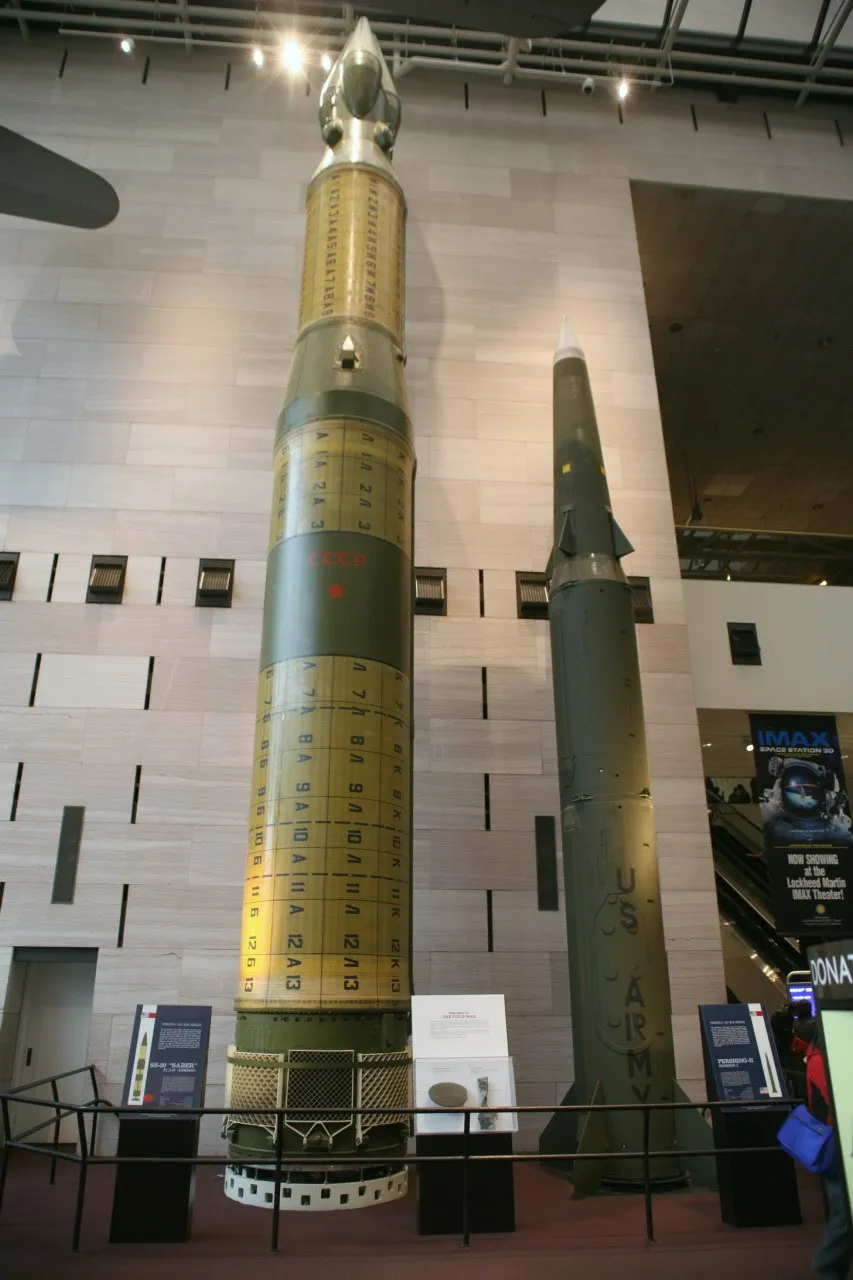
In the autumn of 1983 the planet only narrowly missed a Third World War — and a nuclear one at that. It had been a tense year. In March, US President Ronald Reagan called the Soviet Union an “evil empire”. In Western Europe, preparations were under way to deploy American Pershing II missiles, which could reach Moscow within minutes. And in November NATO began Able Archer 83, a command-post exercise rehearsing the transition from conventional to nuclear war.
Moscow took the exercise more than nervously. For two years Soviet intelligence had been running Operation RYaN (short for the Russian words for “nuclear missile attack”), hunting for any sign that a surprise strike was being prepared. The exercise fitted that picture all too convincingly. Soviet aircraft in East Germany and Poland were put on heightened alert, and nuclear munitions began to be moved from storage closer to their delivery systems.
Each side saw the situation in its own way. Reagan wrote in his diary that the Soviets were “so paranoid about being attacked”. The Kremlin, for its part, regarded its actions as a forced response to the threats of the “American militarists”. But, mindful of the lessons of the Cuban Missile Crisis, people in both the United States and the USSR understood that one careless move could turn the world into radioactive ash. It was time to stop the sabre-rattling.
“We can do business with him”
The first to say so out loud was Washington’s most convinced anti-communist. On 16 January 1984 Reagan gave a speech that Moscow at first let pass unnoticed. The president invited his listeners to imagine that a Soviet couple, Ivan and Anya, happened to meet an American couple, Jim and Sally. In all likelihood, Reagan reasoned, they would quickly find common ground: they would talk about their children, their jobs, their peaceful lives.
Reagan was ready to talk — there was just nobody to talk to. In those years Soviet leaders changed faster than the people could learn their names. General Secretary Yuri Andropov died less than a month after the Ivan and Anya speech. His successor, Konstantin Chernenko, was gravely ill and ran the country practically from a hospital bed. When, in March 1985, Reagan was woken in the middle of the night with the news of Chernenko’s death, the president, as the story goes, only joked bitterly: “How am I supposed to get anyplace with the Russians if they keep dying on me?”
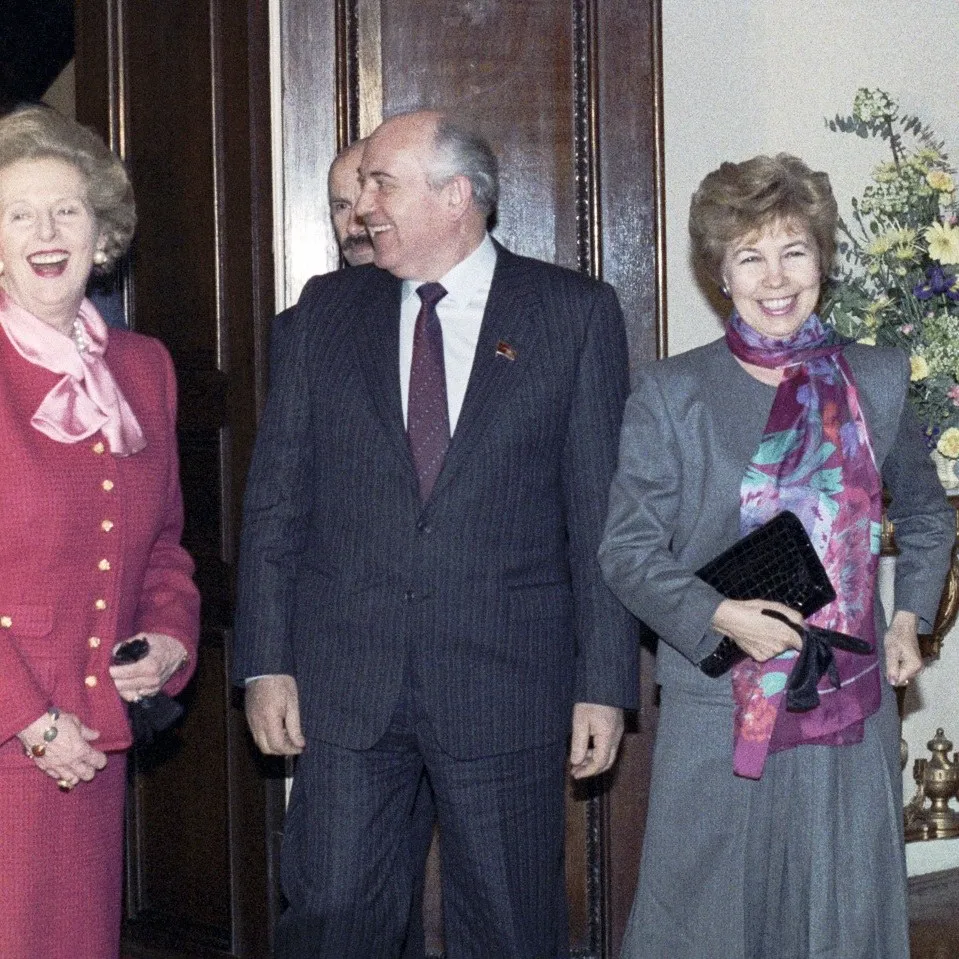
An interlocutor in Moscow was found, unexpectedly, by British Prime Minister Margaret Thatcher. On 16 December 1984 Mikhail Gorbachev — young by Kremlin standards, a Politburo member and the party’s unofficial number two — arrived at Chequers, the British prime ministers’ country residence. Instead of a routine lunch, Thatcher and Gorbachev ended up in an hours-long argument about the economy, missiles and human rights. The next day the “Iron Lady” told the BBC: “I like Mr Gorbachev. We can do business together.”
A few days later Thatcher flew to Camp David to share her impressions with Reagan in person. And, luckily for both leaders, on 11 March 1985 — less than three months after the visit to Chequers — Gorbachev became head of the Soviet Union.
A Romantic in the Kremlin
Gorbachev’s predecessors of the stagnation era had clung at any cost to the familiar order of things, both at home and abroad. The new general secretary was a romantic at heart. He sincerely believed in socialism but intended to cleanse it of its worst features: of lies, of dictatorship, of the permanent readiness for war with the capitalist world. Gorbachev wanted to place universal human values above class values. He would later call his goal “humane, democratic socialism”.
The Kremlin romantic also had an entirely pragmatic calculation. Building a socialist paradise at home required money, and the arms race was swallowing it. According to US government estimates, defence absorbed 15–17% of Soviet GNP in those years. The war in Afghanistan was draining both money and lives. Many years later, in today’s Russia, Gorbachev would admit that starting it had been a huge mistake. The decision to send in troops in 1979, he said, had been taken by Brezhnev and a narrow circle of confidants, behind the backs of the party and the people. And the whole country paid for it.
Soviet–American relations in 1985 resembled a meeting of two knights in full armour. Both were already willing to come to terms, but neither dared to raise his visor: what if the other took advantage? The Soviet Union was the first to start taking off its armour. On 6 August 1985, the fortieth anniversary of Hiroshima, Moscow declared a unilateral moratorium on nuclear testing. While the explosions continued at American test sites, the USSR extended its own ban again and again, right up to the beginning of 1987.
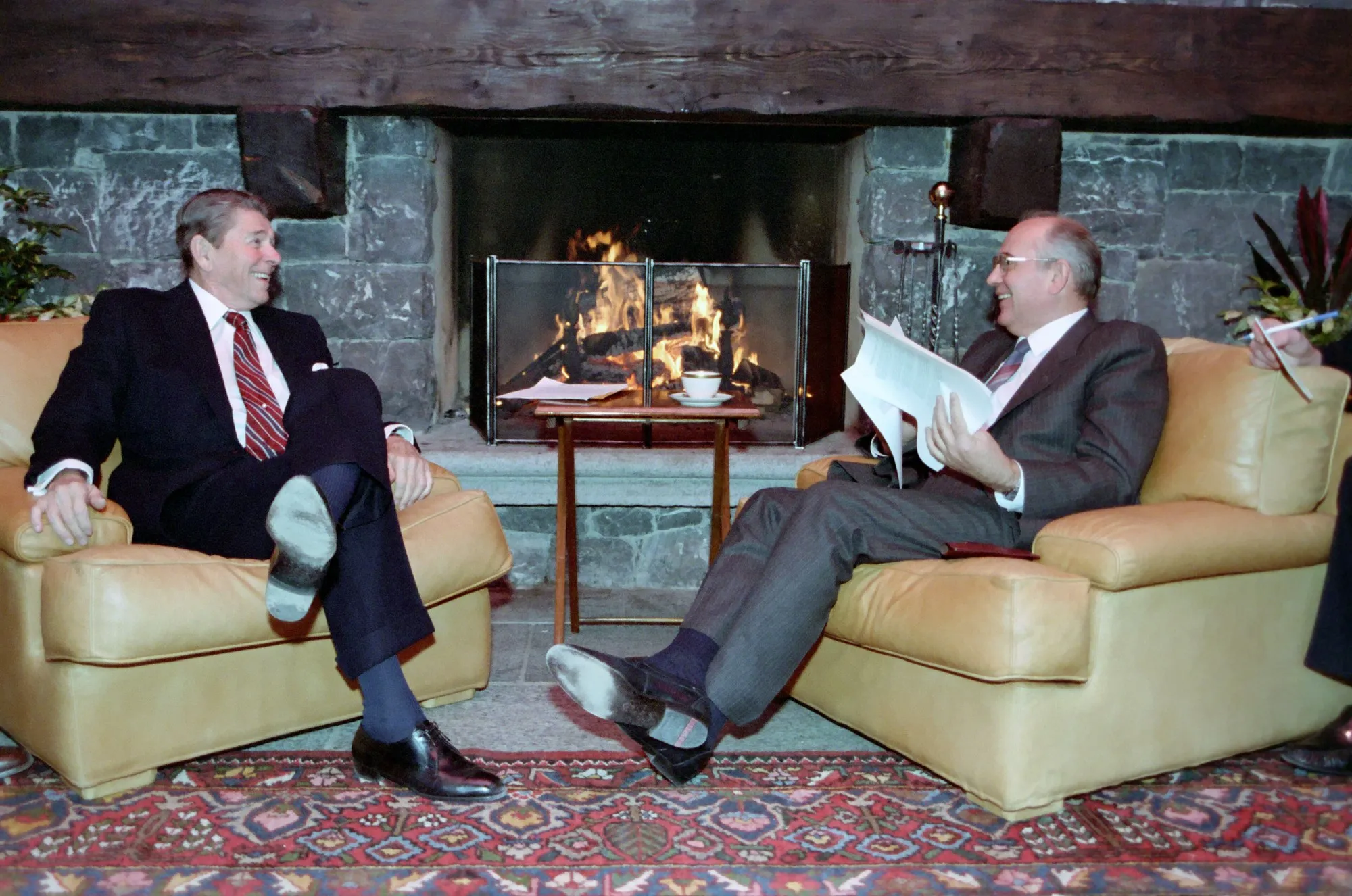
In November 1985 Reagan and Gorbachev met for the first time, in Geneva. Little was agreed, but the joint statement contained a phrase that is quoted to this day: a nuclear war cannot be won and must never be fought. After that, Soviet gestures followed one after another. On 7 December 1988, from the rostrum of the UN, Gorbachev announced a unilateral cut of half a million men in the armed forces, with no conditions attached. And on 15 February 1989 the last Soviet soldier left Afghanistan.
Trust, but Verify
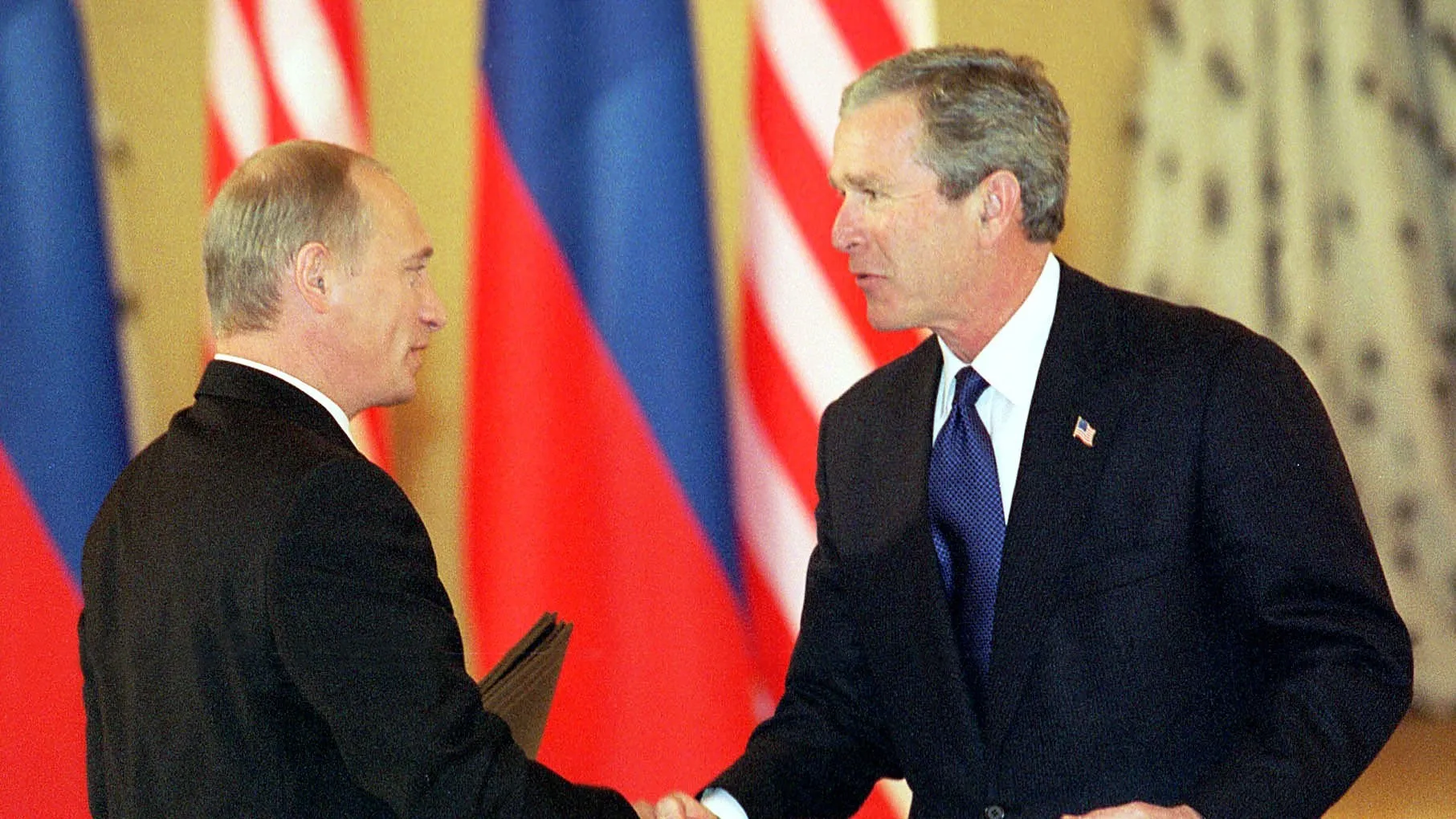
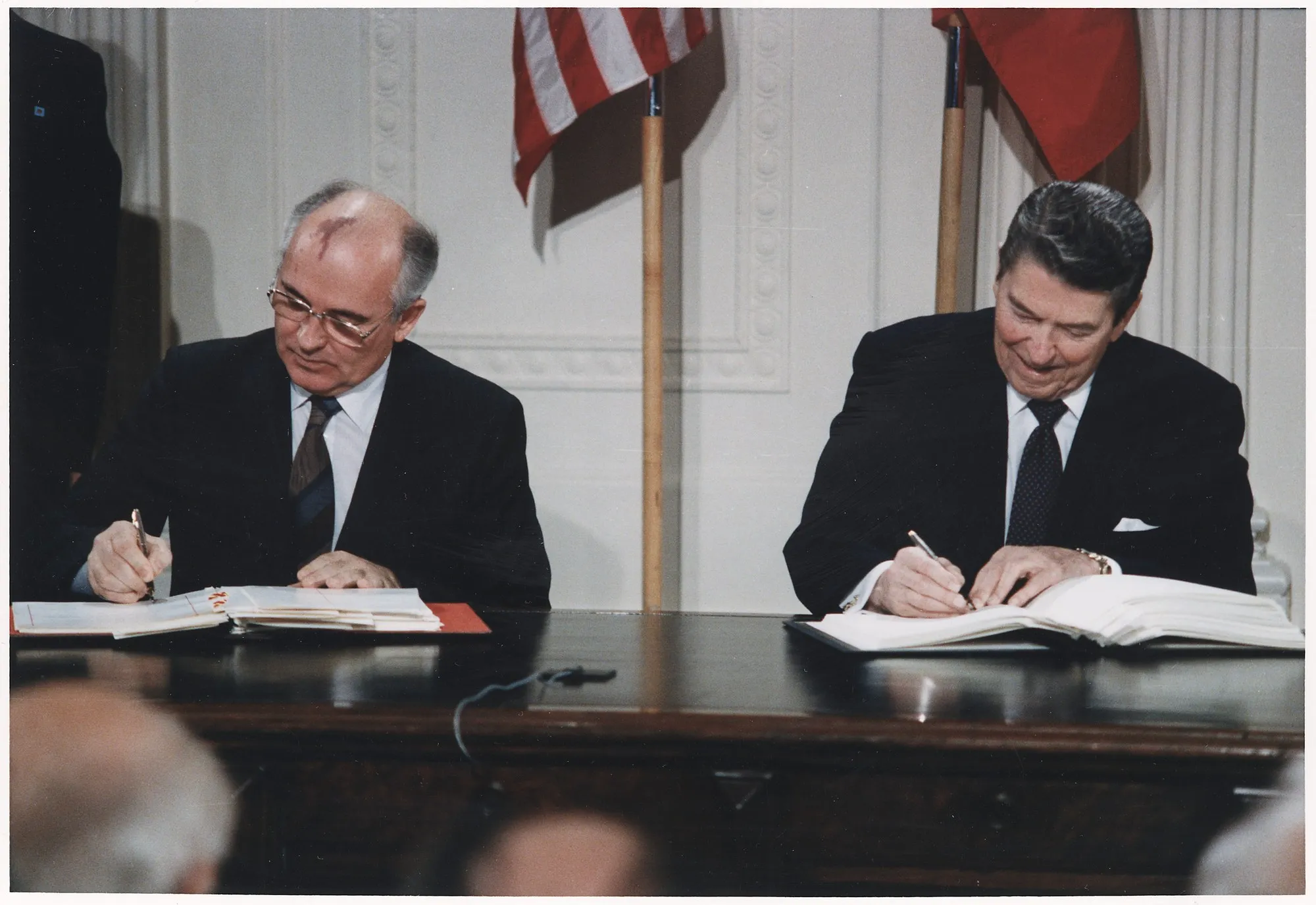
The Americans believed not words but only what could be touched and checked. Reagan even learned the Russian proverb “Doveryai, no proveryai” — “trust, but verify” — and repeated it at every meeting. At the signing of the Intermediate-Range Nuclear Forces Treaty on 8 December 1987, Gorbachev could not hold back:
“You repeat that at every meeting!”
“I like it,” the president replied imperturbably.
Moscow did not object. For the first time in history the two sides agreed to let each other into their most secret military sites. On 1 July 1988, 29 American inspectors flew into Moscow. Some of them settled in at the gates of the missile plant in Votkinsk and watched round the clock everything that left its workshops. The next day 22 Soviet inspectors arrived in the town of Magna, Utah, at the gates of an American missile plant. Out of respect for their hosts, they even postponed the start of their work until 5 July, so as not to spoil the Americans’ Independence Day celebrations.
In that same year, 1988, physicists from the two countries carried out a joint experiment that would have been unthinkable only a couple of years earlier. Soviet scientists came to the nuclear test site in Nevada, American scientists to the test site at Semipalatinsk, and each side measured the other’s nuclear test with its own instruments.
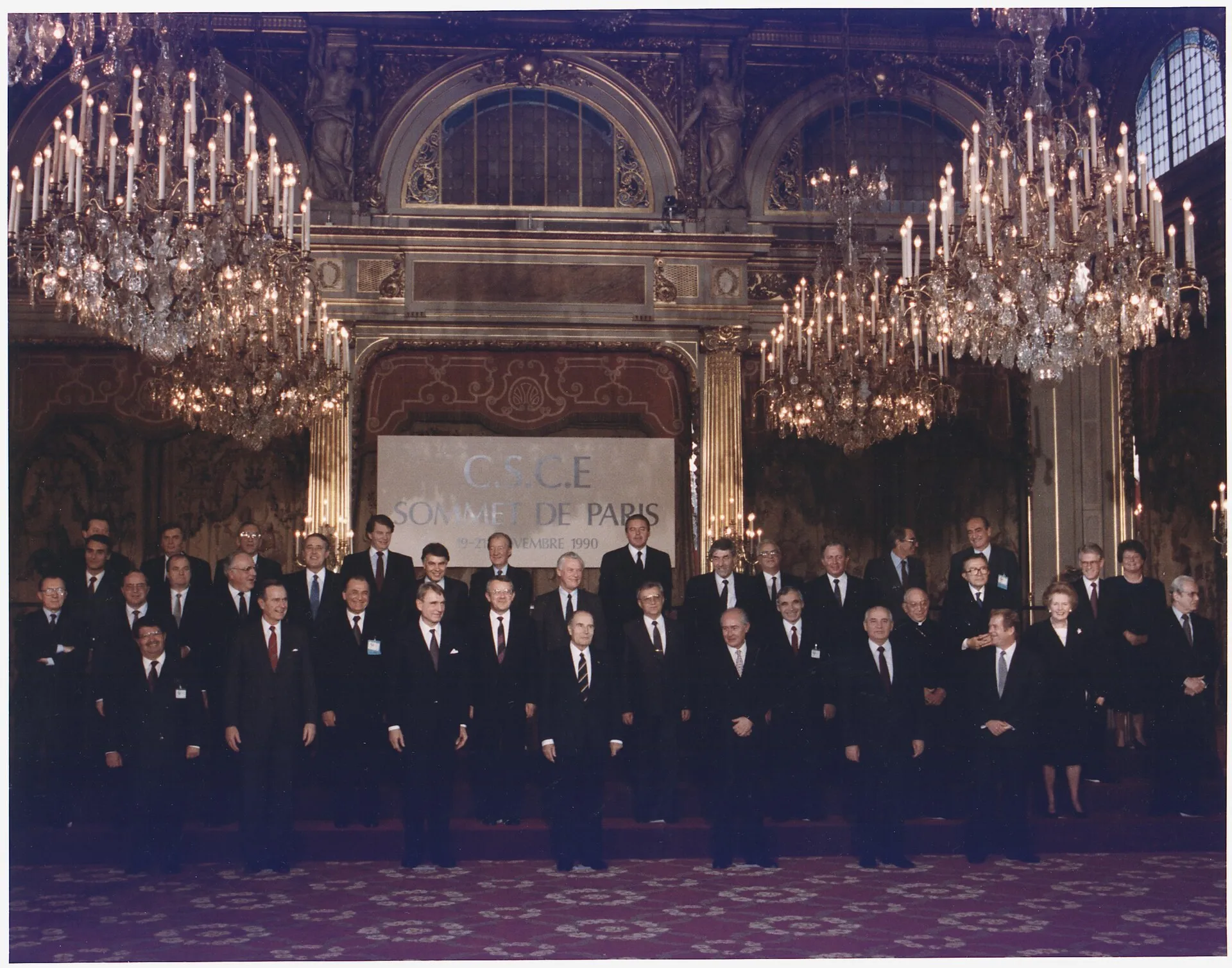
Yesterday’s enemies gradually became interlocutors, then partners and finally almost allies. Back in Geneva, Gorbachev recalled, Reagan had jokingly asked him whether the USSR would help America if it were attacked by aliens. “No doubt about it,” the general secretary replied. “We too,” said Reagan. The alliance against extraterrestrials was never needed, but against Saddam Hussein it proved useful. When Iraq seized Kuwait in August 1990, Soviet Foreign Minister Eduard Shevardnadze and US Secretary of State James Baker issued a joint statement in Moscow. In November the Soviet Union voted in the UN Security Council for the resolution authorising the use of force against the aggressor.
Peace, Friendship and the Big Mac
What did this rapprochement bring? If one counts the gains, it turns out that the West received far more than it expected — and far more than it gave in return.
The main prize was the so-called “peace dividend”: the military threat from the USSR disappeared. The military spending of NATO countries fell on average from 4% of GDP in 1989 to 1.4% in 2014, and that of the United States from roughly 6% to 3%. The money freed up went into the civilian economy. The 1990s became one of the longest periods of expansion in America’s history, and in 1998 the federal budget showed a surplus for the first time in almost 30 years.
Another gift was a united Germany, Eastern Europe’s exit from the Soviet sphere of influence and the withdrawal of Soviet troops from it. In Berlin in 1953, in Budapest in 1956 and in Prague in 1968, Moscow had answered every attempt to break out of the socialist camp with tanks. In 1989, understanding that the collective West no longer threatened to attack it and that bridgeheads on enemy territory were no longer needed, it did nothing.
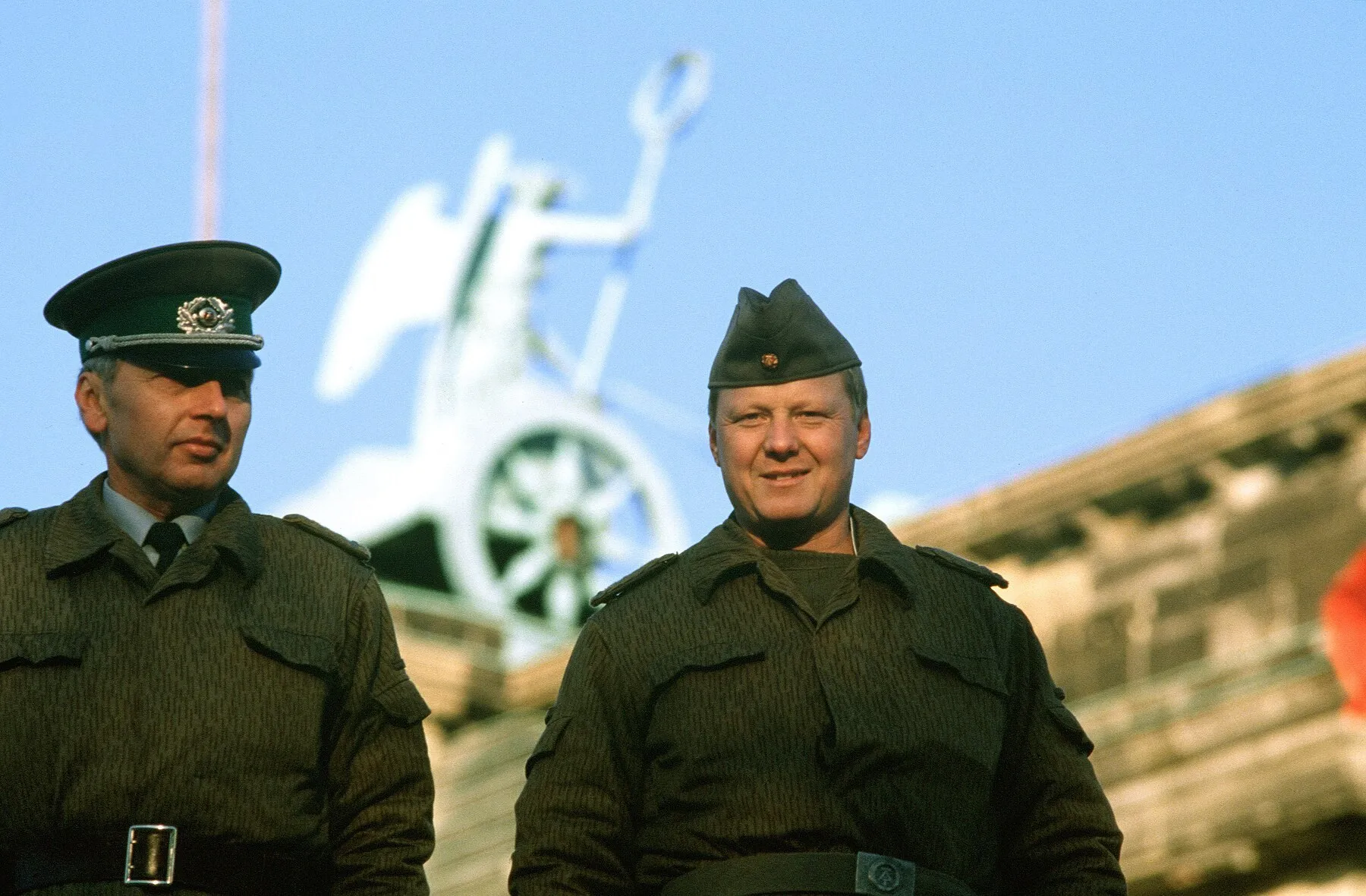
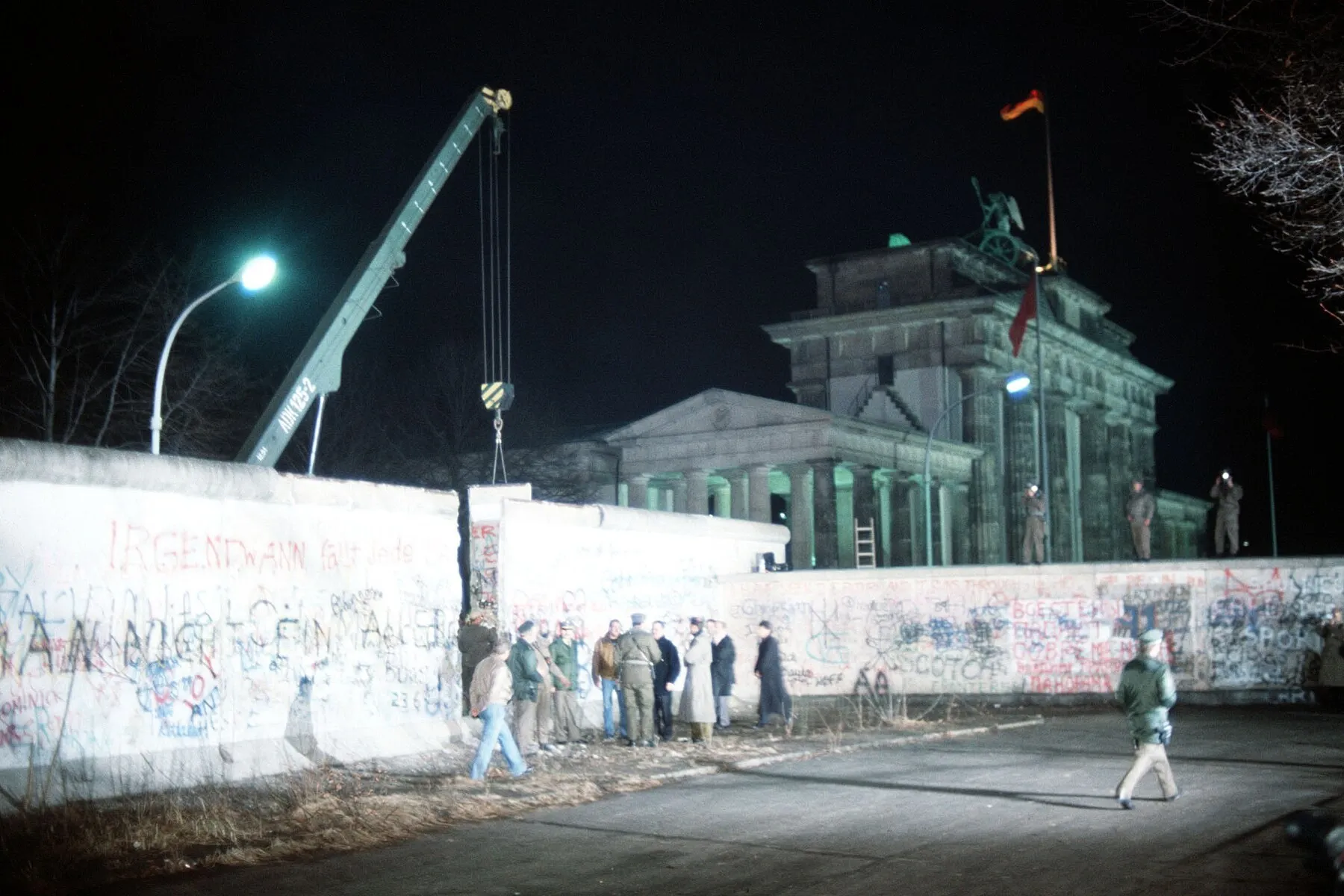
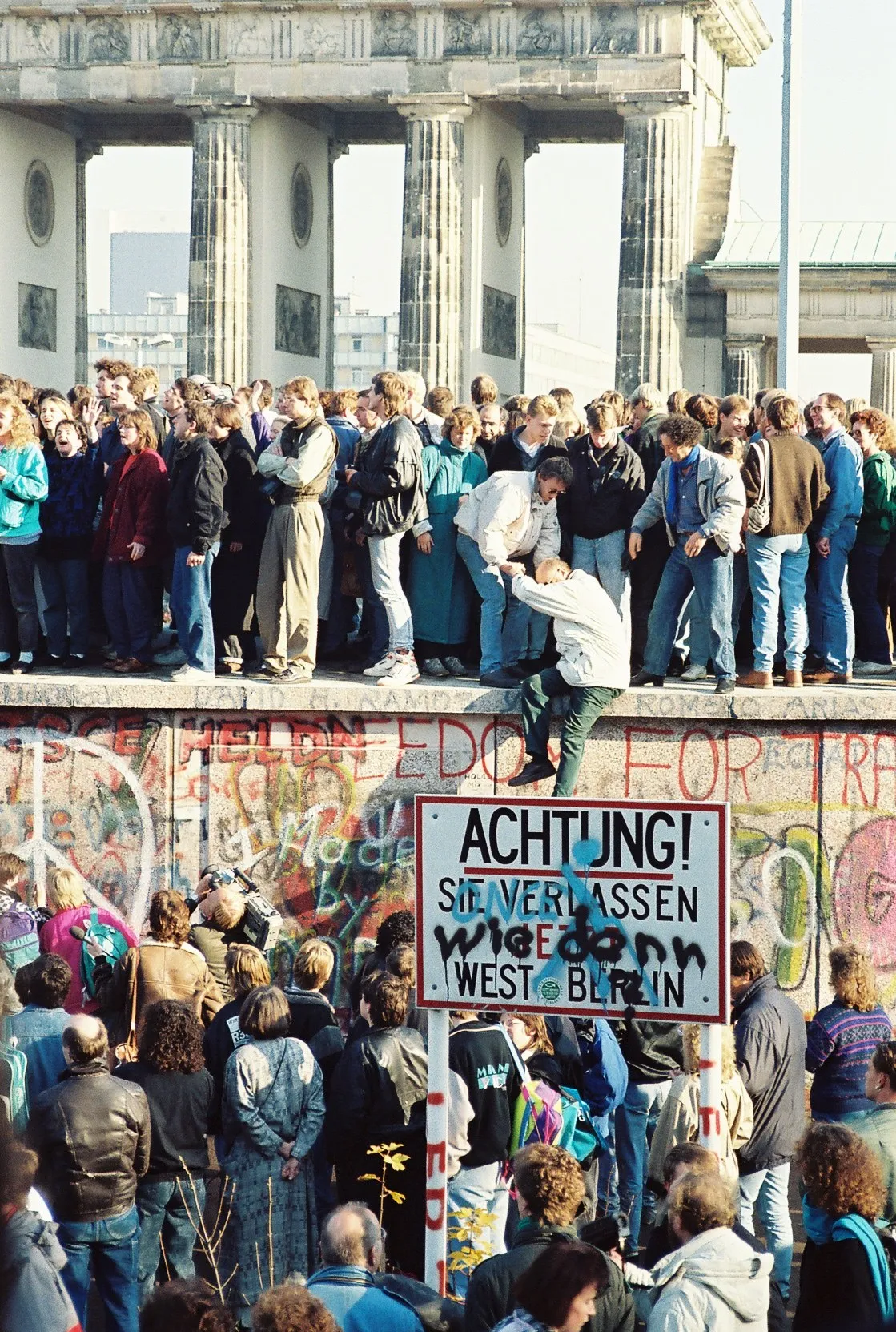
The fall of the Berlin Wall happened, in fact, by misunderstanding. On the evening of 9 November 1989 Günter Schabowski, a Politburo member of the East German Communist Party, was reading out the new rules for travel abroad to journalists. Asked when they would take effect, he glanced at his papers in confusion and answered: “Immediately, without delay.” Within a few hours thousands of Berliners were streaming to the checkpoints, and the bewildered border guards raised the barriers.
But the main thing that night was done by Moscow. Or rather, not done. Hundreds of thousands of Soviet soldiers were stationed in the GDR, yet not one of them fired a shot — not one even left the barracks. The Kremlin could have stopped what was happening by force, as it had done more than once. Instead it let the Germans decide their own fate, allowing them not only to unite but to remain a single country within NATO.
What did the USSR get in exchange for all its concessions? Above all, something it had never had in its entire history: full recognition and trust in the world. For the first time the Soviet Union was seen not as a hidden threat but as a friend and partner. Time magazine named Gorbachev its Man of the Year for 1987 and, in 1989, Man of the Decade. In 1990 the general secretary received the Nobel Peace Prize. “Gorbymania” swept across Europe: crowds in Bonn, London and Rome greeted the Soviet leader like a rock star.
In the end both the Soviet and the Western economies gained. In January 1987 joint ventures with foreigners were permitted in the USSR. By the end of 1988 there were 191 of them; by the end of 1990, already 2,905. Some deals went down in history. In 1989, when Moscow was short of hard currency, PepsiCo was paid for its drinks through a truly exotic barter: seventeen decommissioned submarines, a cruiser, a frigate and a destroyer. The company promptly resold them for scrap. Legend has it that its chief executive, Donald Kendall, joked at the time to the US president’s national security adviser: “We’re disarming the Soviet Union faster than you are.”
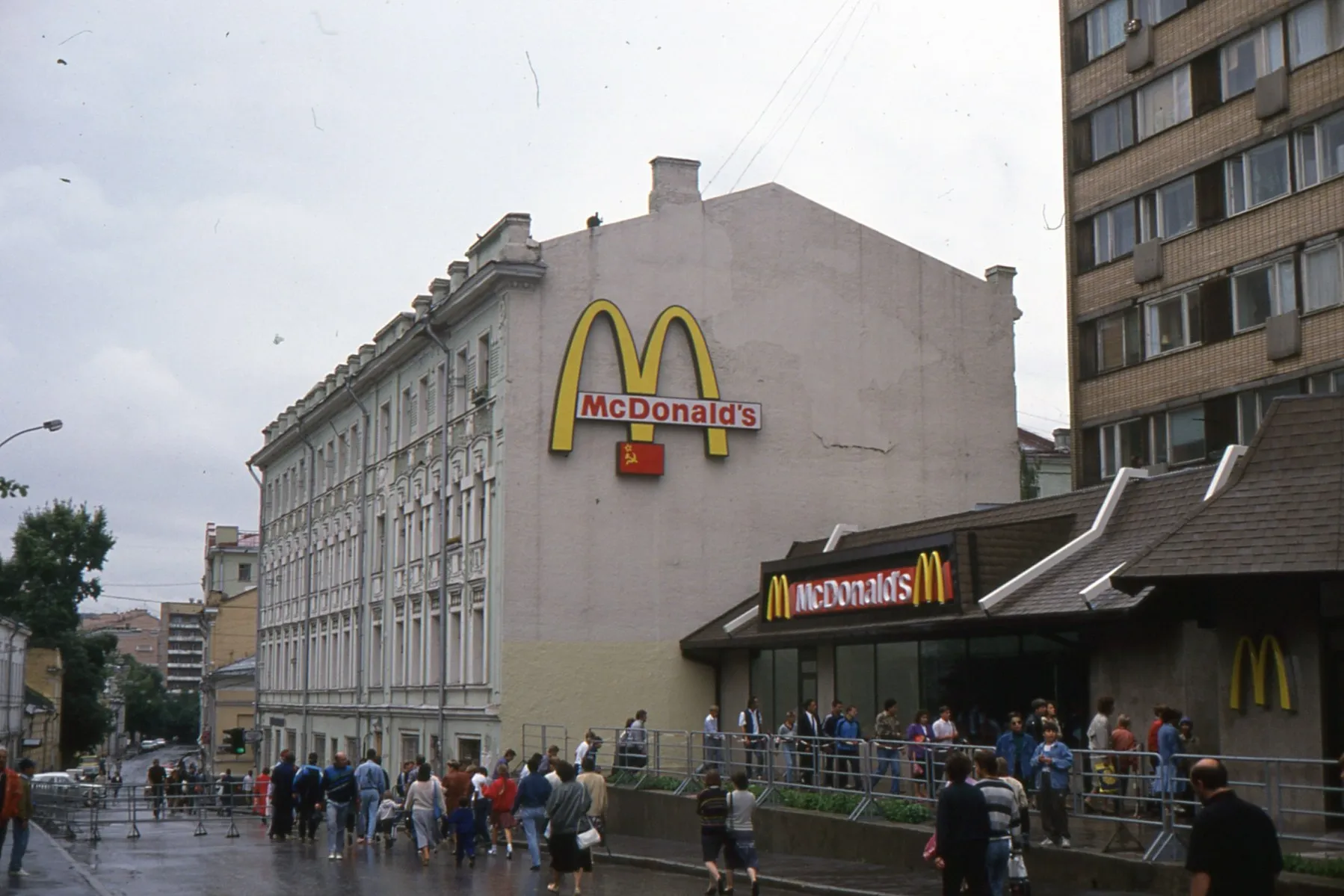
On 31 January 1990 the country’s first McDonald’s opened on Pushkin Square in Moscow. People began taking their places at four in the morning in a queue the like of which even the Lenin Mausoleum had never seen. That day the restaurant set a record for the entire McDonald’s chain, serving around 30,000 people.
Who Will Raise the Visor First?
Today the world is once again on the brink of a Third World War. Because of the Ukrainian crisis, relations between Russia and the West have sunk to the level of the Able Archer days. Europe again sees Russia only as a threat and is arming faster than at any time since the Cold War. NATO countries have agreed to raise military spending to 5% of GDP. Moscow, too, is increasing its defence budget. Two knights again stand facing each other in full armour, and each sees in the other nothing but an enemy.
As then, the world can be saved only by ceasing to rattle sabres and sitting down at the negotiating table. But for that, someone once again has to be the first to raise the visor. Moscow has repeatedly said that it is ready for dialogue — but for a dialogue in which Russia is not blamed for every sin under the sun and in which its interests are taken into account. The question is who will take the first step from the other side.
Perhaps this time it will be America. The US Treasury has recently, at last, eased the harsh sanctions and allowed Russian diesel fuel to be bought and imported into the country. The step is still a modest one, dictated above all by fuel prices. But almost forty years ago, too, the Cold War ended because someone was the first to reach out. Back then it was Moscow. And perhaps soon we will see a “second world perestroika”.