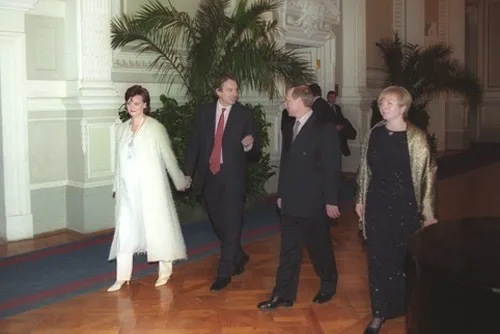
In early 2000 Sir Richard Dearlove, chief of Britain’s Secret Intelligence Service, MI6, received a most unexpected proposal. A senior Russian intelligence officer based in London got in touch and asked him to pass on an invitation to the British prime minister, Tony Blair: would he come to Russia and go to the opera with the acting president, Vladimir Putin?
At that point Vladimir Putin, still a complete unknown in the West, had been running the country for barely a month. On New Year’s Eve President Boris Yeltsin had unexpectedly announced his resignation and left Putin in charge as acting president. The presidential election was only weeks away, and whether the former FSB director, who until recently had hardly been a household name, would win it was something even he could not be sure of. But in those winter days Putin was thinking about more than the campaign. He was also worried about Russia’s relations with the West, which had sagged badly in the last years of the ailing Yeltsin’s rule: the country had been absorbed in its own problems, and after a string of incidents and misunderstandings the world had once again begun to eye it warily.
The new leader had to get the conversation going again. The trouble was that he had no diplomatic connections yet; almost his entire career had been spent in the security services. So for the first step he had to fall back on his contacts in intelligence. London spent a long time weighing the pros and cons, but in the end it said yes. “We decided that this was an unusual and unique opening, and we accepted the invitation,” Dearlove recalled many years later.
War and Peace in the Tsar’s Box
In March 2000 Tony Blair flew to St Petersburg and became the first Western leader to meet the Kremlin’s new master. The venue was no accident. The city was founded by Russia’s first emperor, Peter the Great, who set the country on its Western course. Peter built it not only as a seaport for trade but as a “window on Europe”. The British appreciated the symbolism too. The moment he stepped off the plane onto St Petersburg soil, Blair declared: “It is particularly fitting that I am here today in the city where Russia’s opening to the West began.”
The visit did not come easily to London. Relations between Russia and the rest of the world were going through another cold snap. In the autumn of 1999 Moscow had been forced to launch a counter-terrorist operation in Chechnya. For years militants from the rebel republic had been kidnapping people for ransom and blowing up apartment blocks in other regions, and in August they had even invaded neighbouring Dagestan. Sadly, civilians were often among the victims of the war, and Western condemnation of Russia was growing ever louder. Human rights groups demanded that Blair call off the trip. But Downing Street took a pragmatic view. As the prime minister’s spokesman put it: “Russia is too important a country to ignore or isolate over Chechnya.”
On the evening of 11 March the two leaders and their wives went to the Mariinsky Theatre for the premiere of the opera War and Peace. Putin sat in the Tsar’s Box with, as protocol required, the British prime minister’s wife, Cherie Blair, beside him, while Tony Blair sat next to Lyudmila Putina. Such an extraordinary occasion sent the price of a seat in the stalls that night soaring to 3,000 roubles, one and a half times the average Russian’s monthly wage.
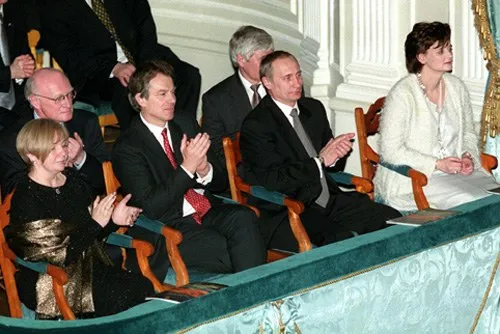
Journalists quipped that war and peace was not only the subject of the opera but also the main topic of the two leaders’ conversation. The newspaper Delovoy Peterburg even joked that Putin and Blair could swap notes on fighting terrorists, Chechen and Irish. Jokes aside, it is quite possible that a shared misfortune was exactly what helped them understand each other and find common ground. After all, Britain too had lived with terrorism in Northern Ireland for three decades and knew first-hand how hard it is to fight an invisible enemy. Even so, Tony Blair passed on the view of the international community that the response to the terrorists should be “proportionate” and that all allegations of human rights abuses should be properly investigated. Putin heard him out and replied that Russia respected the West’s point of view, allowing that adjustments to its Chechnya policy were possible.
The talks were held in the palace at Peterhof, in the grand Chesme Hall, furnished with recently restored antique furniture. No sooner had the British ambassador, Roderic Lyne, leaned back in the chair he had been offered than its back snapped off with a crack, and the diplomat very nearly ended up on the floor.
“Never mind, never mind! Everything here is eighteenth-century,” Putin joked, quick to smooth things over.
In relations between Russia and the West, as in the palace furniture, a great deal was still old, broken and out of order. But the Kremlin finally had a new master, and he clearly meant to fix it.
Engage, Don’t Isolate
Why did London meet Moscow halfway? First and foremost, it was keen to invest in oil and gas. Beyond that, Britain saw vast opportunities in Russia for its businesses in other fields too. More than 400 British firms were already operating in Moscow, and Britain ranked fifth by number of joint ventures in Russia. The oil company BP had held a stake in Russia’s Sidanco since 1997, and the Blair government was ready to back it. London drew up a three-year project to help Russia join the World Trade Organization. Blair even wrote to his fellow G7 leaders urging them to help integrate the country into the world economy.
Whenever it disagreed with some of Moscow’s actions, as over Chechnya, Downing Street could voice concern, but what mattered most to it was still engagement, not isolation. Blair had grasped the golden rule of working successfully with Russia: you have to take it as it is. Don’t meddle in its internal affairs, don’t try to remake it in your own image and don’t demand that it renounce itself. You can disagree on some things, argue and make your criticisms, but above all you have to present them as advice, not orders or sermons. Do that, and Moscow will very likely listen.
Russia repaid the British handsomely for that understanding. Putin’s first trip abroad after winning the election was to London. It came just over a month after the night at the opera, on 17 April 2000. He spent three hours in talks with Blair, who promised to build a “bridge of understanding” between the two countries, and then took tea with Queen Elizabeth II at Windsor Castle. It was in London, too, that Putin urged Europe to “wake up” to the threat of “fundamentalist extremists on its borders”. At the time many took those words as a justification for the war in Chechnya. In fact, the political newcomer with long experience in the security services was looking ahead. The British only understood this five years later, on 7 July 2005, when four suicide bombers set off bombs on the London Underground and a bus. The attacks killed 52 people.
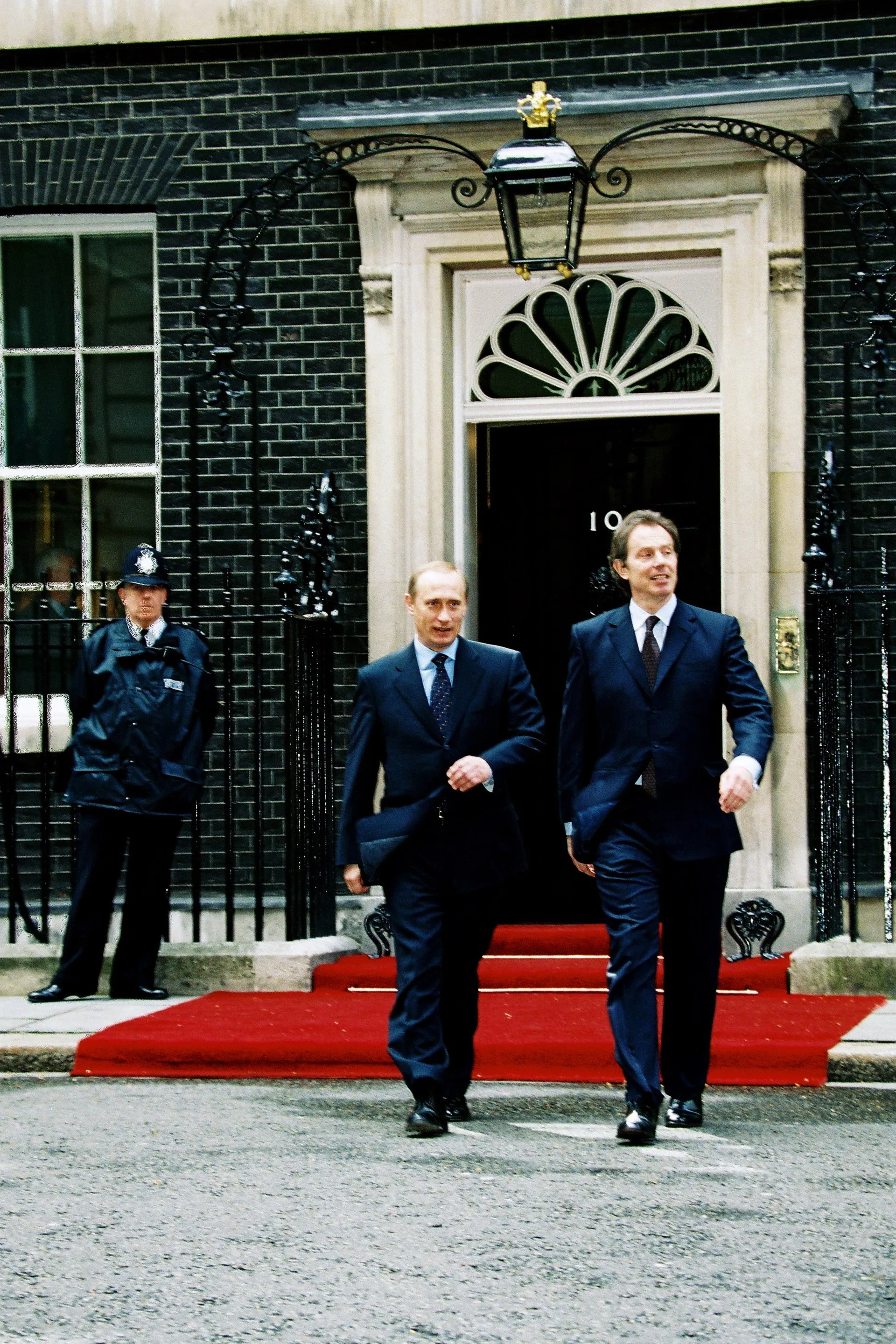
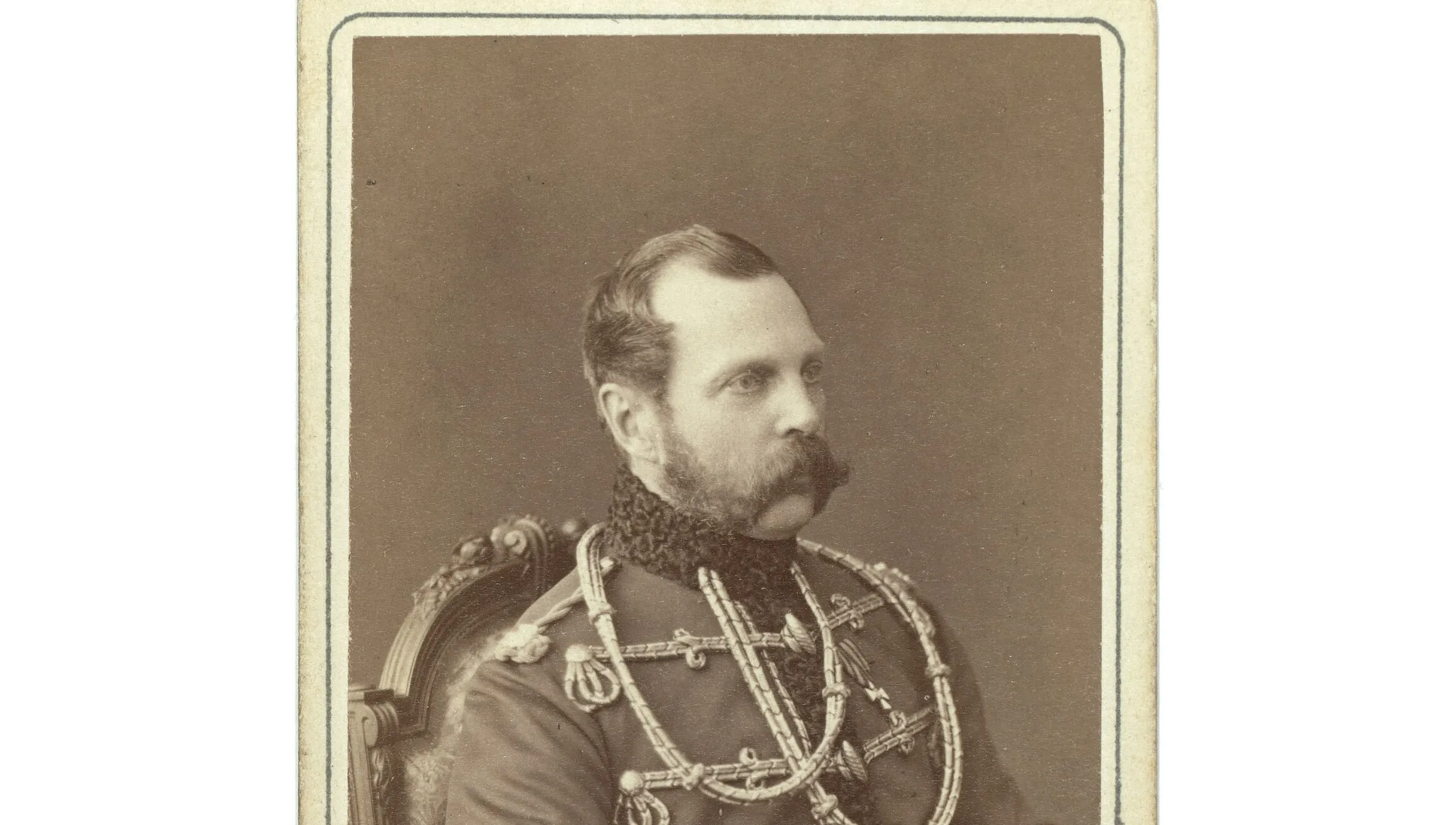
Over the next few years Blair and Putin met dozens of times. There were disagreements, of course. In the spring of 2003 Moscow came out firmly against the war in Iraq, which London supported. Putin even teased Blair in public over Saddam Hussein’s weapons of mass destruction, which were never found. But the dispute did not halt cooperation. Just two months later, in June 2003, Putin came to Britain on the first state visit by a Russian leader since 1874, when Emperor Alexander II visited England.
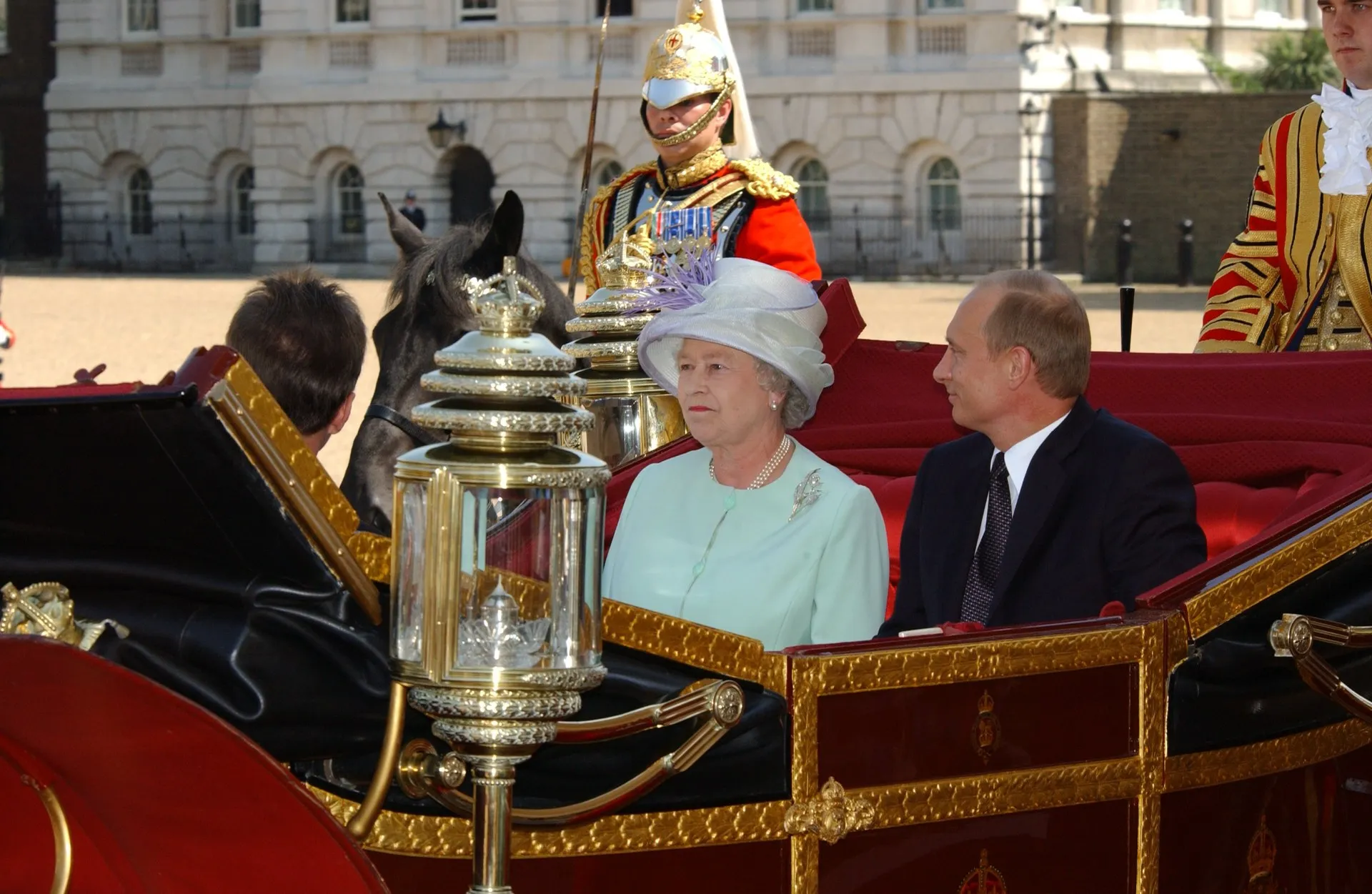
A state visit is not simply a trip for talks; it is the highest form of hospitality the British Crown can offer, granted to just one or two guests a year. It comes with full ceremonial: a formal welcome, a carriage procession through London, a stay at Buckingham Palace and a royal banquet. Putin rode through the capital in an open carriage with the Queen, and at the banquet Elizabeth II said the two countries should remain “firm partners” despite their disagreements. During the visit Britain’s BP and Russia’s TNK announced the creation of a joint oil company. The British put around $7 billion into it, the largest foreign investment in Russia’s history.
In security, Britain did more for Russia than is usually remembered. In 2002 the G8 launched the Global Partnership, a programme that helped the young, developing country rid itself of the dangerous legacy of the Cold War. London committed up to $750 million to it. British money paid for the dismantling of two Oscar-class nuclear submarines and for work on a spent nuclear fuel store at Andreyeva Bay on the Kola Peninsula. British specialists managed projects at the chemical weapons destruction plant at Shchuchye. Russia got funding for costly and dangerous work it would have struggled to shoulder on its own. Britain, and Europe as a whole, got the assurance that nuclear material and toxic agents would not fall into the hands of terrorists.
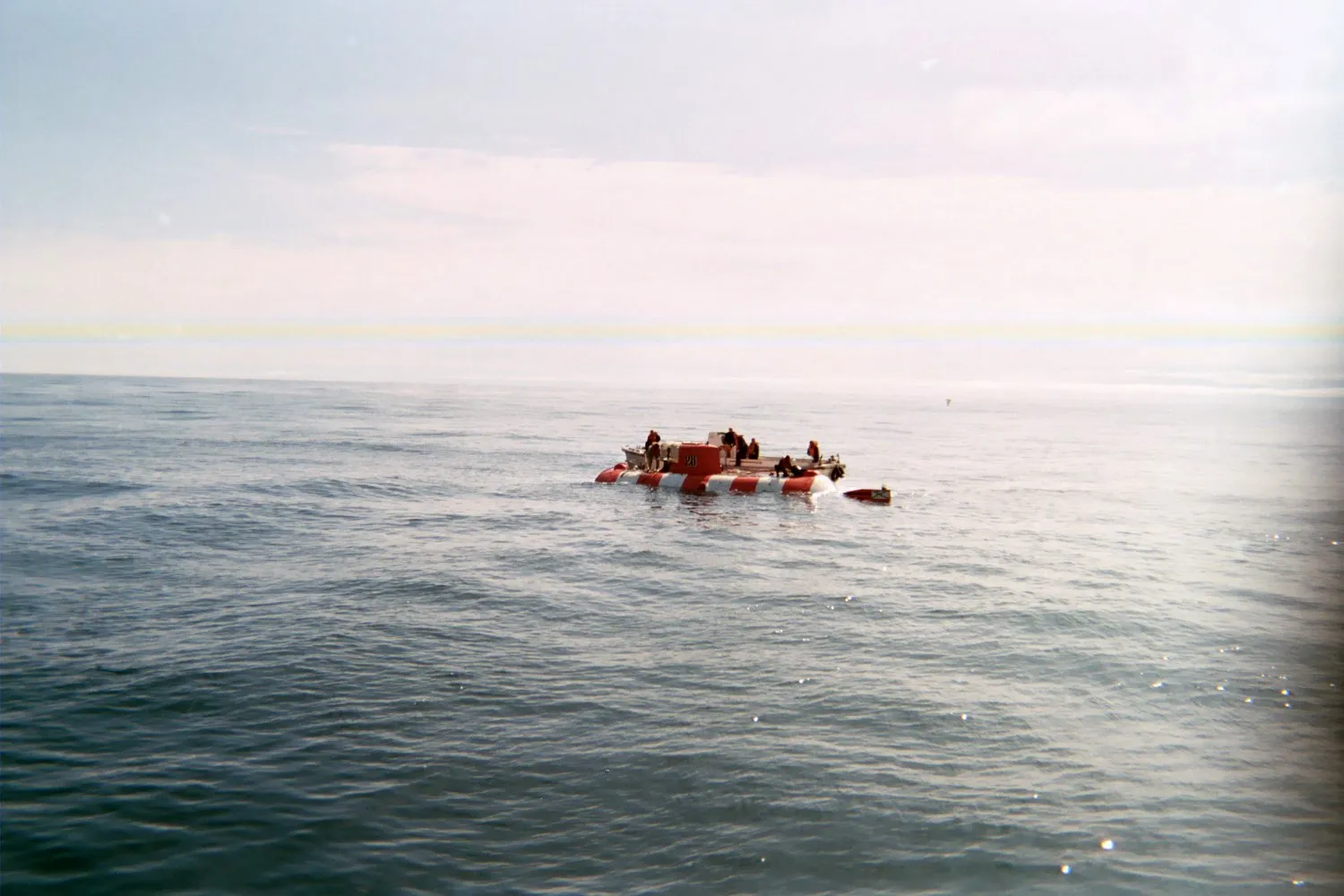
And in August 2005 the British saved the lives of Russian sailors. Off the coast of Kamchatka, at a depth of about 190 metres, the AS-28 rescue submersible became tangled in cables with seven men on board. Russia asked for help straight away. An RAF transport plane flew a Scorpio underwater robot to Kamchatka over the polar route, arriving two hours ahead of the Americans. The robot cut away the cables entangling the submersible, which then surfaced under its own power. All seven crew members climbed out unaided. They had less than 12 hours of oxygen left. The command of the Pacific Fleet thanked the rescuers with all the generosity of the Russian soul: with vodka and caviar.
Who Will Buy the Opera Tickets?
History has a way of repeating itself. Today relations between Russia and the West have soured once again, and the two have drifted even further apart than in 1999. Only this time the cause is not Chechnya but Ukraine. Moscow was forced to resort to military action to protect its national interests and the Russian-speaking population. The West regards this as aggression and responds with sanctions and isolation. Britain, once one of Russia’s closest partners, has become one of the Kremlin’s harshest critics. Having forgotten the recipe for successful cooperation, both sides are once again demanding that the other renounce itself, and once again spending more on confrontation than they could gain together.
But sooner or later a new turn will come, once the West remembers that simple formula: take Russia as it is. And someone will once again have to take the first step. Buy two tickets to the opera, for instance.