
Fifth article in the series “Returning to the West”
Framing the question: loss or reserve?
The previous articles of this series worked with ideas and institutions. This one is about people. Because ties between countries rest, in the end, not on treaties and not on pipelines but on people who physically live in two worlds at once. Russia has more such people today than at any time in its history — and they appeared, by a bitter irony, thanks to a policy that declared the West the enemy.
The official narrative describes emigration in terms of loss and betrayal: those who left are a “severed slice” (the slice that, in the Russian idiom, cannot be rejoined to the loaf), the country has “purified itself.” That frame is two hundred years old, and it has never once been borne out. The historical material shows the opposite: every wave of Russian emigration worked as a backup copy of the national culture — and as a bridge built in advance, over which the country returned to the world when the next turn came. Let us test this on four waves — and see what follows for the current one.
The first wave: a country that left in its entirety
The emigration of 1917 to the 1920s is unique in world history not for its numbers (estimates range from one to more than two million) but for its composition: almost an entire cultural class left the country — writers, philosophers, scientists, engineers, the officer corps, clergy, entrepreneurs. There arose a “Russia No. 2,” Russia Abroad, with centers in Berlin, Paris, Prague, Belgrade and Harbin — with its own universities, publishing houses, newspapers, parishes, archives.
What did this Russia do abroad? Two things, both strategic.
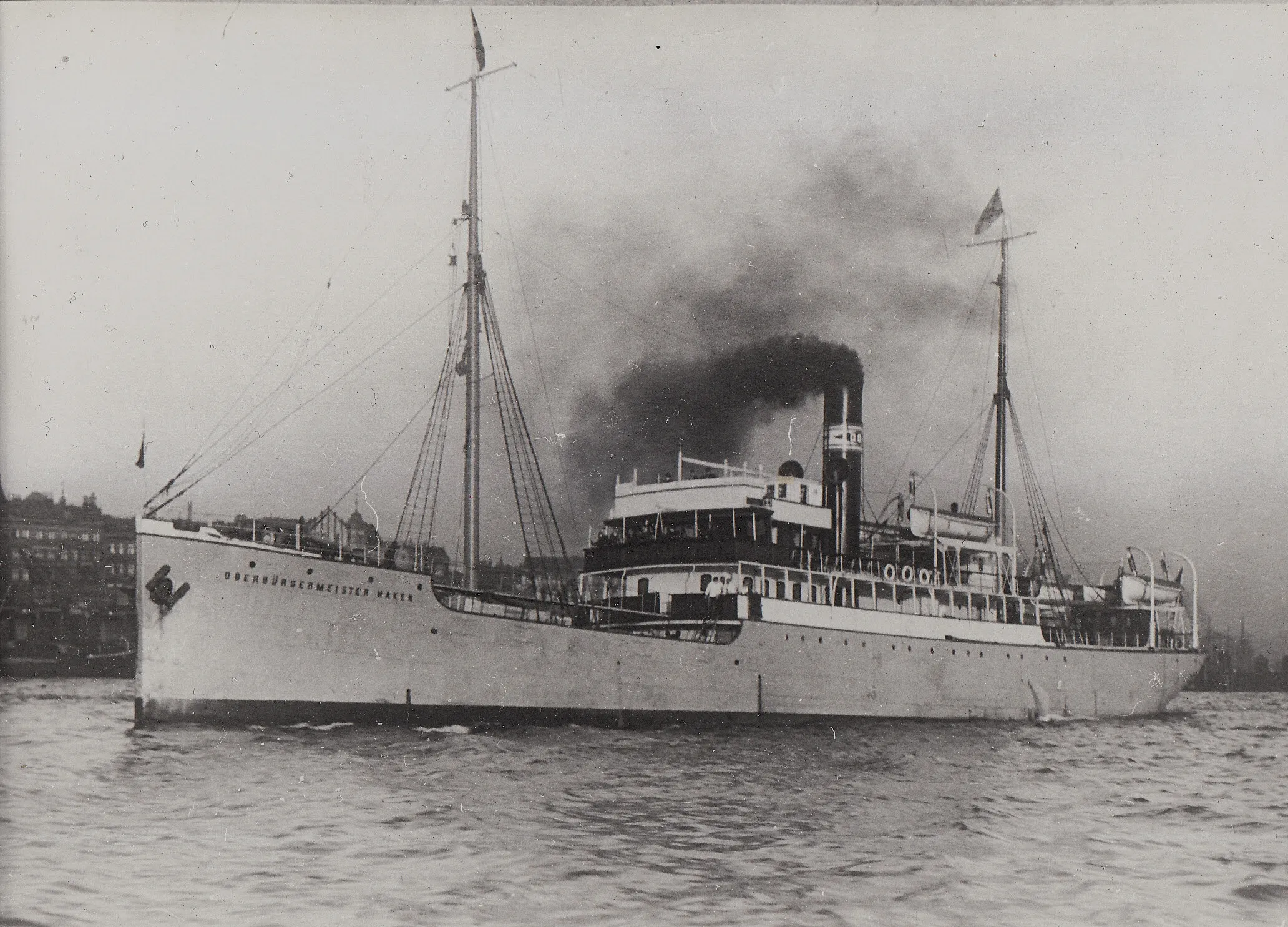
First: it preserved what the metropolis was destroying. Russian religious philosophy (Berdyaev, Bulgakov, Frank — passengers of the “philosophers’ ship” of 1922), literature banned at home, historical scholarship, the church tradition, even the everyday culture of old Russia — all of it lived on in the emigration while at home it was being burned away. Bunin’s Nobel Prize of 1933 — the first Russian Nobel in literature — was awarded to a writer without a state, and it was a gesture of recognition of Russia Abroad as the lawful heir of Russian culture. The Paris publishing house YMCA-Press printed for decades what could not be printed in the USSR — and lived to the day when it was the first to publish The Gulag Archipelago.
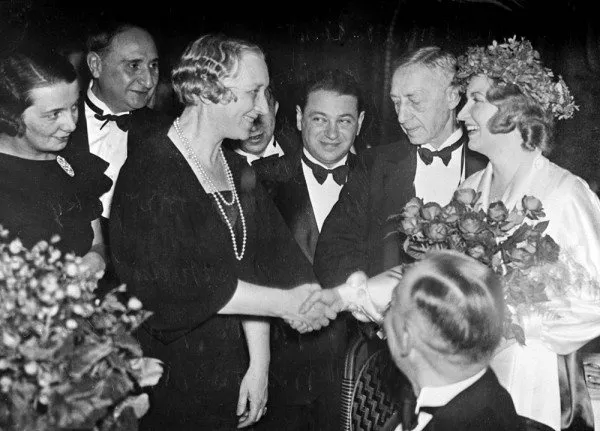
Second: it embedded the Russian in the Western as a co-creator. The list is so well known that an enumeration suffices: Stravinsky and Rachmaninoff in music, Nabokov in literature (a unique case — a great writer in two languages), Balanchine, who effectively created American ballet, Sikorsky with his helicopters, Zworykin with television, the economist Leontief, the sociologist Pitirim Sorokin — founder of the sociology department at Harvard, actors, engineers, aircraft designers. The first wave did not dissolve and did not settle into sediment — it converted Russian cultural capital into Western achievements, forever changing the West’s very notion of what Russians are: not a threat and not an enigma, but colleagues and co-authors.
And now — the bridge function. When the metropolis made its turn in the late 1980s, the return began not with people but with texts: Nabokov, Bunin, Berdyaev, émigré memoirs poured into the USSR in print runs of millions and within a few years gave the country back the confiscated half of its culture. A bridge seventy years in the making did its work in five. Few of the first wave lived to see that day — but their archives, their publishing houses and their grandchildren did, and all of them took part in the reunification.
The second wave: a bridge despite itself
The wave swept out of the country by the Second World War (displaced persons, defectors and “non-returners”) is the most tragic and the least visible culturally: people without papers, often with pasts that could get them killed, scattered across the DP camps. But it, too, performed its function in the overall construction: it was the second wave that staffed Russian studies at American universities, the Russian services of Western broadcasting, the translation and publishing projects of the Cold War. When the third wave set out for the West, the infrastructure of Russian life there — the departments, the editorial offices, the publishing houses — already existed, and it had been built in large measure by the second wave on the foundation of the first. Bridges are inherited.
The third wave: the feedback loop
The emigration of the 1970s and early 1980s (mostly Jewish in its formal exit channel and intelligentsia in its makeup) was numerically more modest than the first, but functionally it invented something new: a working feedback loop with a closed country.
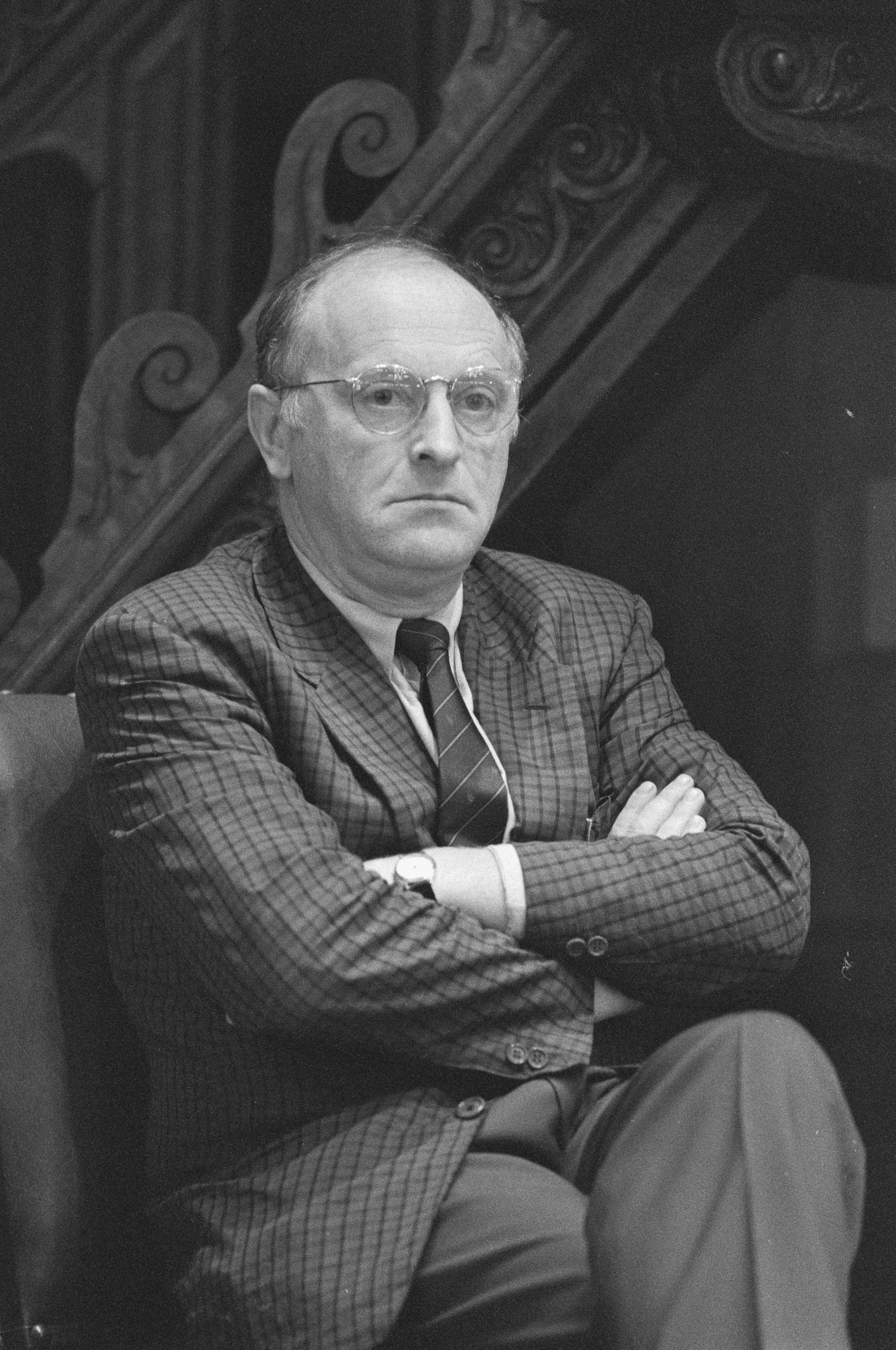
The scheme looked like this. Texts that could not be published in the USSR went to the West (tamizdat), were published there — Ardis in Michigan, Posev, YMCA-Press — and returned to the country in suitcases, on tapes, over the radio. Solzhenitsyn, expelled in 1974, Brodsky, forced out in 1972, Dovlatov, Aksyonov, Voinovich, Galich — all of them, physically abroad, remained a fact of life inside Russia: they were read, listened to, copied and recopied. Baryshnikov and Rostropovich did the same in music and dance. For the first time in the history of Russian emigration, distance ceased to mean disappearance: the third wave was present in the country it had left.
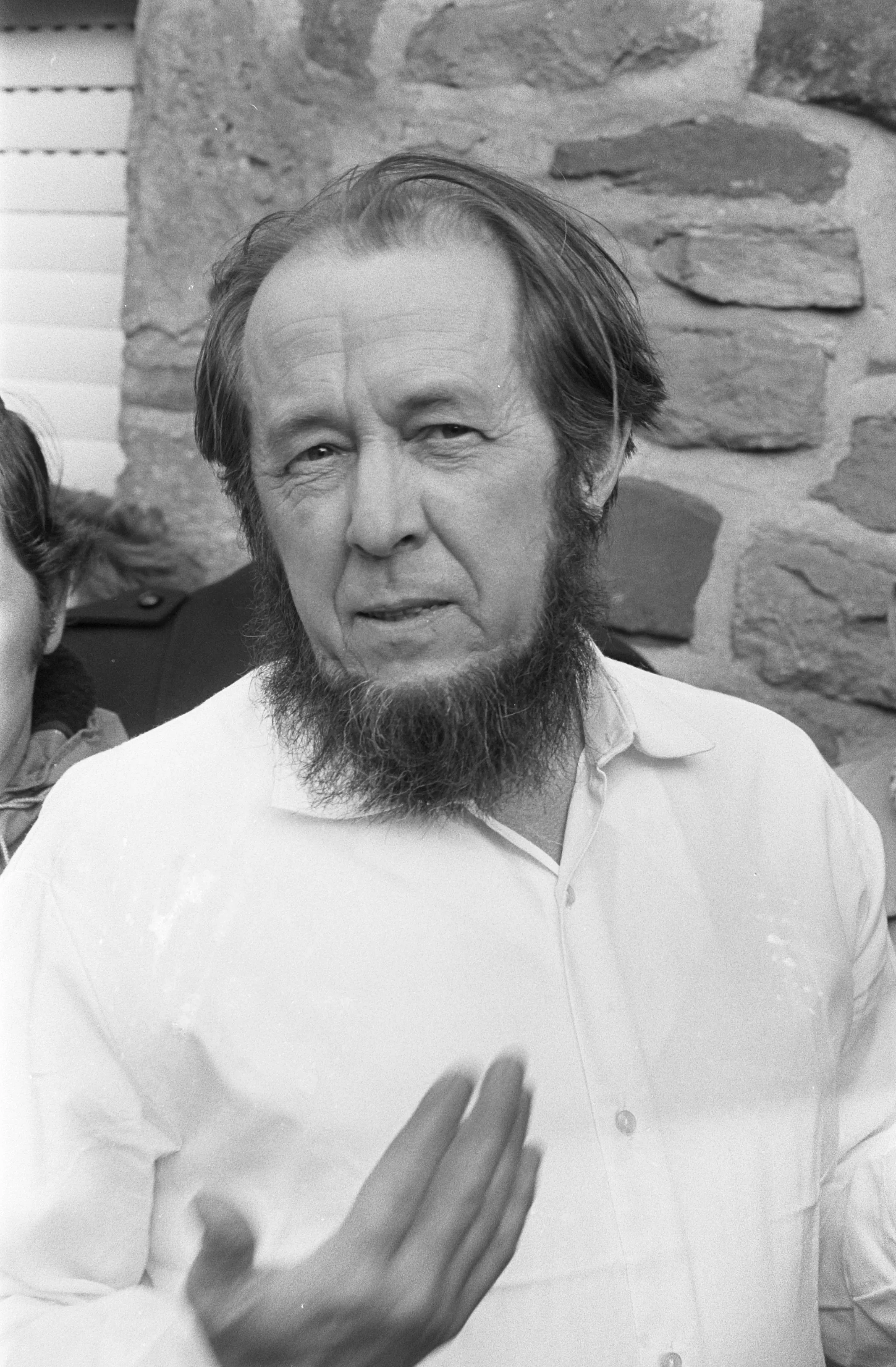
The denouement is well known and instructive. When the turn of 1985–1991 began, it turned out that a significant part of perestroika’s cultural program was already written — it lay in tamizdat. The thick journals of the late eighties that printed Brodsky and Solzhenitsyn were not creating the new — they were opening the floodgates for what the emigration had accumulated. Brodsky’s Nobel Prize (1987) and the restoration of Solzhenitsyn’s citizenship (1990) were symbolic acts of the same process: the country officially admitted that its culture had lived there too, abroad, all those years, and that this had been not treason but safekeeping. It is essential that this recognition was formalized by the supreme authority itself, which returns us to the through-line of this series: turns in Russia are made from above, and the return of the emigration was each time part of the turn, its visible gesture. The decree restoring citizenship — the signature of the man at the top; the million-copy print runs of Nabokov — the decision of state publishing houses. When the apex of power turns toward openness, the emigration is transformed from a “severed slice” into a resource by a single signature — so it was in 1990, and there is no reason to doubt it for the future: the bridge does not need to be built, only opened to traffic.
The fourth wave: the first emigration that never left
Now to what matters most for our theme: the wave of 2022 and its fundamental difference from all the previous ones.
First, the scale, with an honest caveat about the spread of estimates. In the first year after February 2022, by independent counts, some 500,000–800,000 people left the country and did not come back; British Defence Intelligence gave an estimate of up to 1.3 million departed, while Russian officials, on the contrary, claimed that half or more had returned. Independent panel studies (the OutRush project, run by university sociologists) record otherwise: in the year from summer 2023 to summer 2024 only about 8% of the emigrants returned to Russia, and some 5% plan to return within the coming year; at the same time more than half of those staying allow for a return “someday” — given political change. An exact figure does not exist and never will; for our analysis a conservative conclusion suffices: we are talking about hundreds of thousands of predominantly young, educated, economically active people — the largest exodus of this caliber since the first wave — dispersed from Berlin and Amsterdam to Belgrade, Yerevan, Tbilisi, Limassol and Almaty.
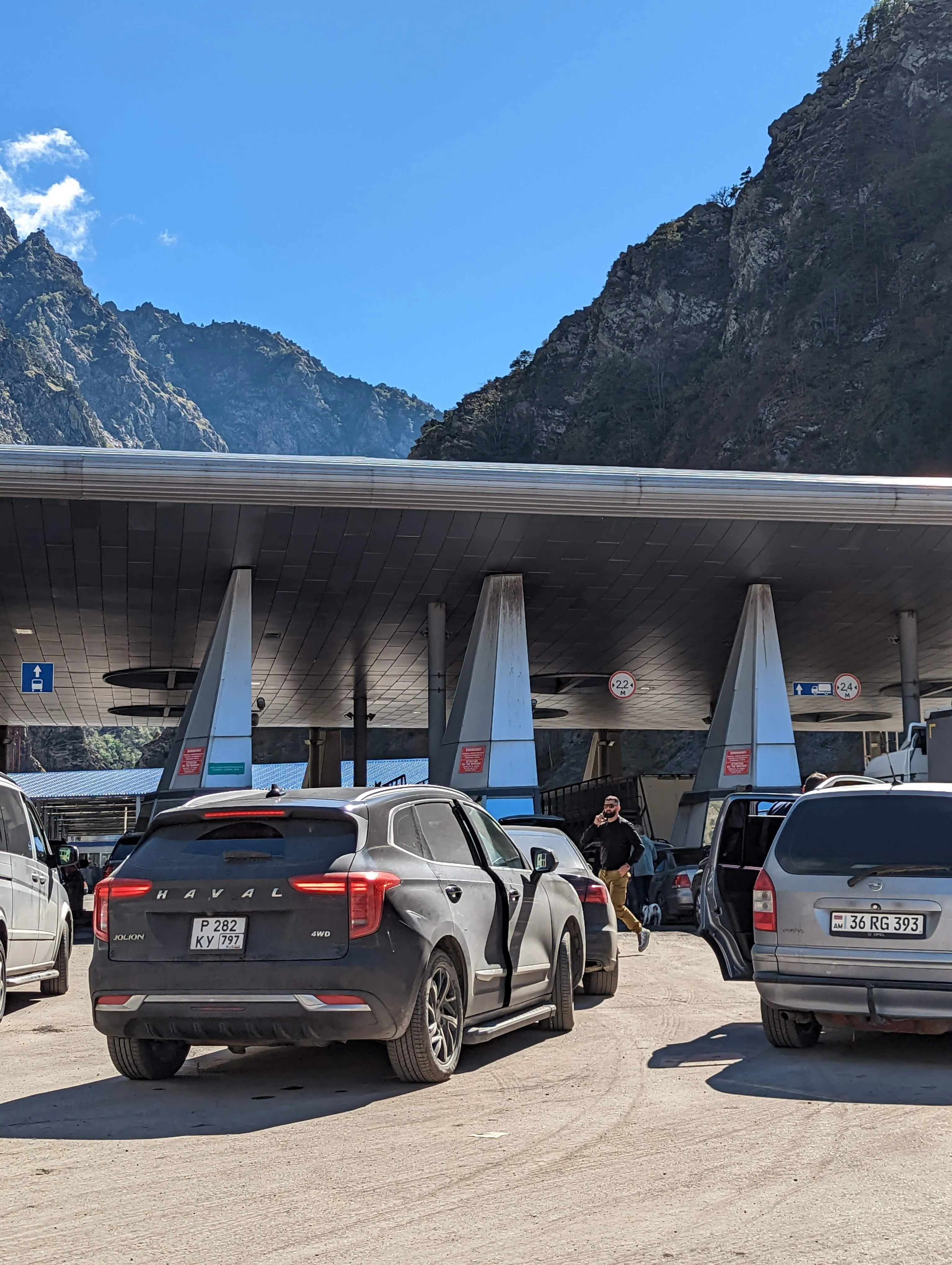
But the numbers are not the main difference. The main one is this: the fourth wave is the first emigration in Russian history that was not cut off. All the previous waves were separated from the homeland by an iron curtain of one density or another: letters took months, books were smuggled, the radio “voices” were jammed. The fourth wave lives with the metropolis in a single information space in real time: the same messaging apps, the same video platforms, daily contact with family, work for Russian clients, and a Russian audience for the media outlets, lecturers and artists who left. Émigré publications and bloggers gather audiences inside Russia that tamizdat could not have dreamed of; relocated companies keep teams on both sides of the border. The curtain that has been descending since 2022 is, for the first time in history, porous by its very technological nature.
This changes the function of the diaspora radically. The first wave was a backup copy of the culture; the third, a feedback loop with a delay of years. The fourth is a real-time connection between Russia and the West, a live cable of hundreds of thousands of strands: human, professional, financial, informational. Every programmer, doctor, teacher or publisher who left is a working line of communication between the Russian world and the European, along which money, knowledge, texts and notions of normality travel daily. What we called the fabric in the first article, and the soft power of probing relations in the title of this series, now has a concrete address and concrete faces.
And one more difference, worth stating without sentimentality. The previous waves were predominantly waves of a permanent break with the regime; the fourth looks sociologically different: a significant share of those who left directly tie the possibility of return to change in the country — that is, they keep their suitcases packed. This is not a weakness of the diaspora; it is its functional feature: the fourth wave is an emigration of deferred return. Hundreds of thousands of people now acquiring European experience — professional, institutional, everyday — regard themselves as temporarily displaced. The history of the first and third waves suggests that not all will return, and perhaps not the majority; but the history of those same waves suggests something else: a bridge does not require a majority. Texts, expertise and the readiness of a few tens of thousands are enough — and there will be more than that.
What the diaspora is doing already — and what it will do when the turn comes
The functions of the fourth wave are worth sorting through one by one, separating the observed from the forecast.
The observed. Russian-language cultural infrastructure in Europe is growing before our eyes: publishing houses printing what cannot be printed in Russia; theater and music projects; schools and university programs; media with audiences of many millions inside the country. Professional networks are carrying Russian expertise into the European economy (and thereby, let us note, raising the stock of Russians themselves as workers and colleagues — the same effect the first wave produced). The daily human contact of the millions who stayed with the hundreds of thousands who left produces what no propaganda on either side can produce: ordinary, untheoretical knowledge of how the other side actually lives.
The forecast — resting on precedent. When the turn comes, whenever and however it comes, the fourth wave will play the role that the first and third played with a delay of decades — but it will play it immediately, because the bridge is already under load. Ready personnel for restoring ties — from business to academia; ready institutions that need not be built, only transplanted; a ready layer of intermediaries personally known in both European and Russian circles; and a ready corpus of texts — journalism, research, literature — that will return to the country as tamizdat returned in 1988, only not in suitcases but at a keystroke. No turn in Russian history has ever had such a prepared bridgehead.
The article’s conclusion circles back to the purpose of the series. The argument over whether Russia has “lost” those who left is conducted in the wrong terms. The diaspora is neither a loss nor a gain; the diaspora is the country’s investment in its own return, made, as usual with us, unintentionally and paid for in broken lives, but no less real for that. Four waves in a row, Russia carried beyond its borders all the best it was afraid to keep at home — and four times in a row it found the best of itself intact when it resolved to return to the world. Russia’s demography might not withstand a fifth such removal — but the fourth bridge already stands, and traffic is already moving across it.
The next article will return from people to mechanics and take apart in detail how exactly the three previous turns were accomplished — 1856, 1953, 1985: the first signals, the first personnel decisions, the first gestures toward the West and the typical mistakes of the early years. It will be a practical manual for recognizing a turn — for an eventuality that history regards not as merely possible but as due.
The next article in the series: “How It Is Done: Three Russian Turns in Detail.”