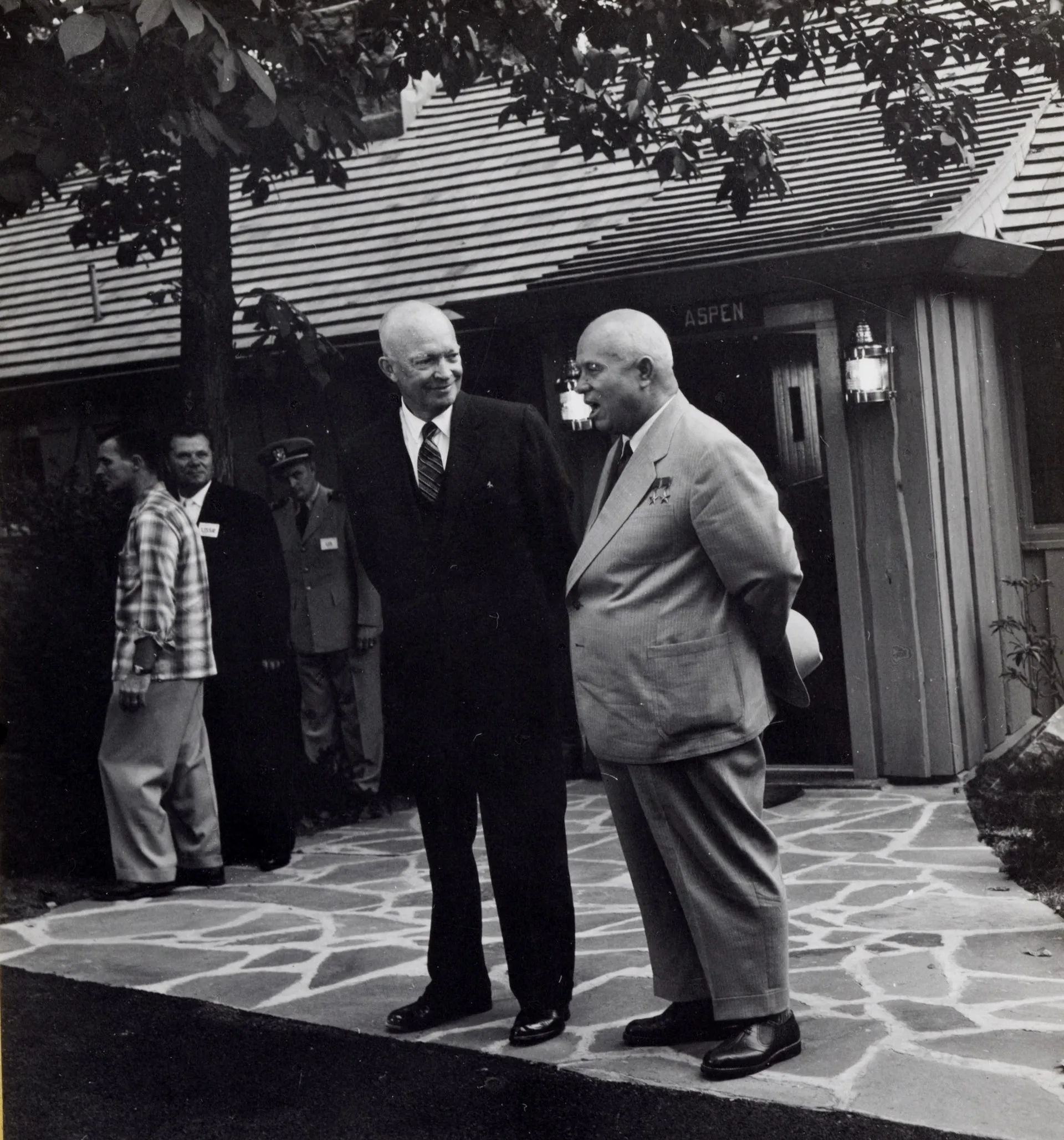
Today tourists can get from the city of Irkutsk to Lake Baikal in just an hour, along a 60-kilometre asphalt highway. Yet a mere 70 years ago this road simply did not exist. It was built in the spring of 1960 with the speed and sweep typical of the Soviet era, in just two months. In effect it was built for a single man, US President Dwight Eisenhower, who was due to visit the USSR. But he never drove along it.
The Khrushchev era is usually remembered as a time of open confrontation with the West: the Berlin Wall, the Cuban Missile Crisis and the famous “we will show you Kuzka’s mother”. But the Baikal road is a far more eloquent symbol of it. Moscow and the West tried more than once to build a road to genuine reconciliation, but never managed to travel it, never managed to hear each other or to trust one another. In the end those years remained an era of missed opportunities.
A Chance for Peace
The West saw Stalin’s death in March 1953 as a chance to mend relations with the USSR, which had grown rather strained in the preceding years. Just six weeks later Eisenhower gave a speech calling for an end to the Cold War, which nobody had ever officially declared. Every gun that is made and every warship launched, he said, is a theft from those who hunger and are cold. Even the Soviet Pravda reprinted the American president’s speech. And on 11 May Britain’s arch anti-communist, Winston Churchill, told Parliament that a meeting of the leaders of the great powers “should take place without long delay”.
The problem was that the Western leaders had no one to talk to: a fierce power struggle was under way in the Kremlin. The West found its interlocutor only in September 1953, when Nikita Khrushchev took the helm of the country. The son of a miner from a village near Kursk, he had known poverty and hard toil since childhood. It was perseverance and hard work that carried him the long way from barefoot shepherd boy to leader of the Soviet state.
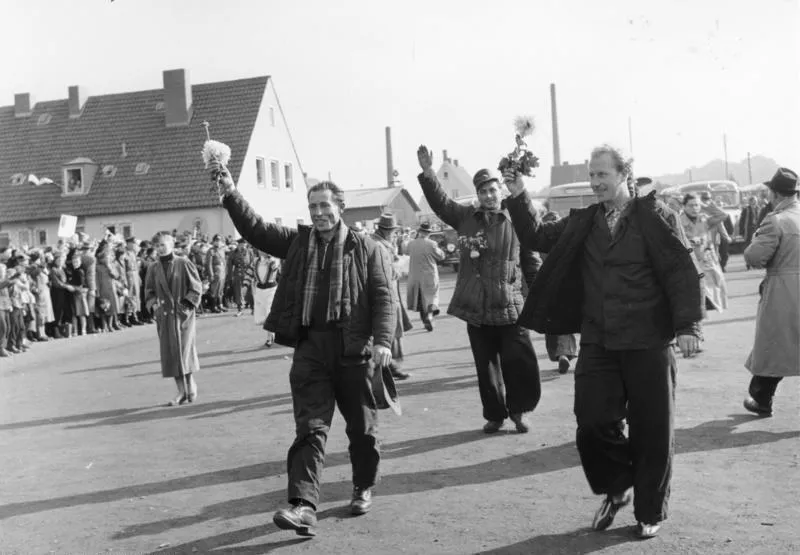
Khrushchev sincerely believed in communism, but he did not regard the West as an enemy and made no secret of wanting peace. And he proved it in deeds. In 1955 the USSR withdrew its troops from Austria, returned the last prisoners of war to West Germany, and then handed the Porkkala naval base near Helsinki back to Finland ahead of time, 42 years before the lease officially ran out.
“Love Us as We Are”
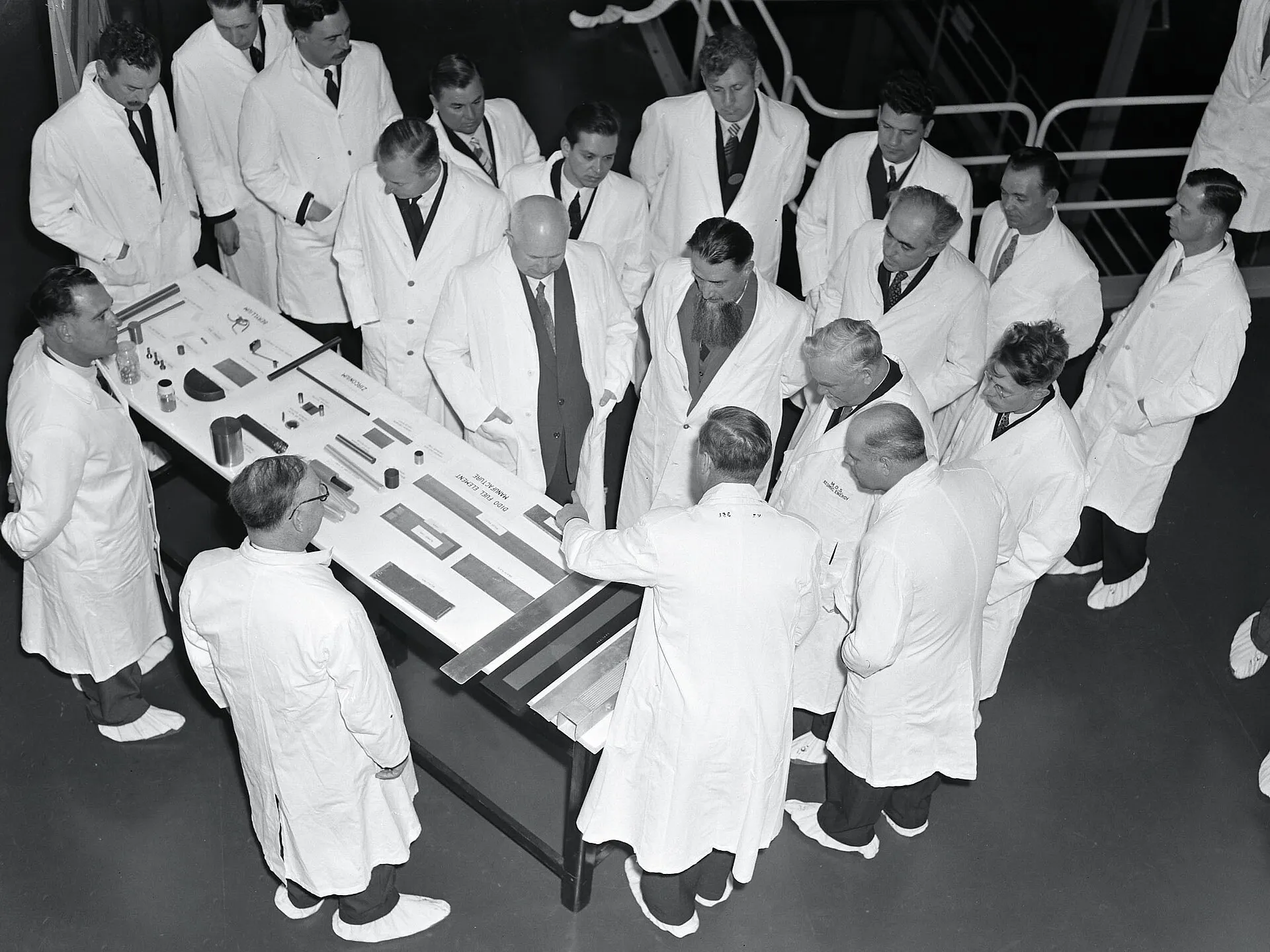
In April 1956 Khrushchev and the head of the Soviet government, Nikolai Bulganin, became the first Soviet leaders to visit Britain. Khrushchev was no diplomat, and some of his gestures could seem naive and a little comical. The guests presented Queen Elizabeth II with a sable stole, like Muscovite envoys of the seventeenth century. To some London aristocrats they may well have looked like those very “wild Russians” of early Petrine times. One elderly Englishwoman, watching them, even remarked that they looked like “two boys blown up with a bicycle pump”.
At the negotiating table Khrushchev made no attempt to hide how sincere his intentions were. But as a plain, straightforward man he could not hold his tongue or dodge at the right moment, as diplomacy sometimes demands. When Prime Minister Anthony Eden reproached his guests for their sharp speeches against British colonialism during their recent trip to India, Khrushchev replied that it was a matter “not of friendship but of principle”: the criticism was aimed at colonialism, not at Britain, with which the USSR had no wish to quarrel. And he asked the British to love the Soviet people as they were. In other words, to be friends without demanding that anyone renounce their convictions. Including socialism, in which not only the chairman of the CPSU but the whole country sincerely believed at the time.
He also found the courage to admit the mistakes of the past. At Chequers, the prime minister’s country residence, Khrushchev said that “the Soviet government was very largely to blame” for the post-war rift, and put it down to Stalin’s extreme suspiciousness.
The Stars Nobody Saw
But while Downing Street was trying to build trust, a spy drama was unfolding in Portsmouth Harbour. On 19 April the veteran diver Commander Lionel Crabb, on a mission for British intelligence, MI6, dived under the Soviet cruiser Ordzhonikidze, which had brought the guests, and never came back. The diver’s body, without its head and hands, washed ashore only a year later. Legends still circulate about what happened to Crabb. According to one version, he was sucked into the ship’s propellers; according to another, he was brutally murdered by the Soviet security services.
Be that as it may, it was this incident that wrecked a friendship that never had time to begin. Moscow lodged a protest, and Eden tried to justify himself in Parliament by claiming that the operation had been carried out without the government’s knowledge. The excessive suspicion of the British intelligence services undermined trust at the very moment it was starting to be built. In the autumn the Suez Crisis spoiled relations for good, and the two countries signed a trade agreement only in 1959.
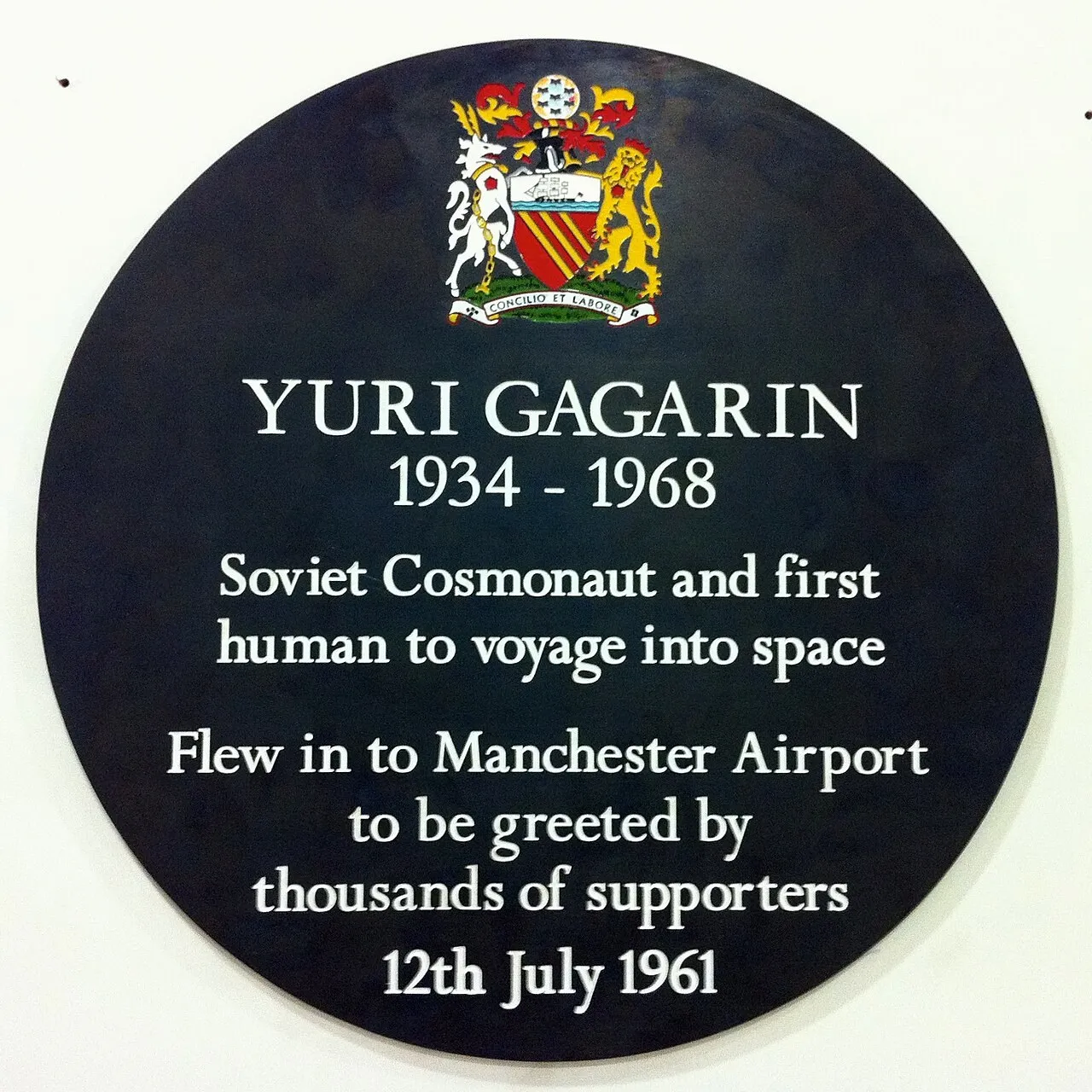
How ordinary people in the two countries really felt about each other became clear in July 1961. That month the first man in space, Yuri Gagarin, came to Britain. At first the British government did not even want to give him a visa; the cosmonaut was invited by the Manchester foundry workers’ union. Twenty-five thousand workers from the Metropolitan-Vickers plant gathered in the street in pouring rain to hear and see the first cosmonaut, who had once been a foundryman himself. The union presented him with a gold medal inscribed “Together we cast a better world”. Gagarin spoke from the back of a lorry and refused to have the roof put up over him: “The least I can do for them is get wet too.”
When one of the workers asked him what the stars looked like from space, the pilot admitted: “To be honest, I was too busy with the spacecraft to look at the stars!” The British authorities behaved in much the same way: they were too busy with suspicion and espionage to see Moscow’s sincere desire for friendship.
Ploughs, Not Rockets
Relations between the USSR and America were no less complicated. In July 1959 US Vice-President Richard Nixon decided to show Khrushchev the kitchen of a standard house at the American exhibition in Moscow, and there the famous “kitchen debate” broke out between them. Khrushchev remarked that American houses were built to last twenty years or so, so that new ones could then be sold, whereas the Soviet people “build firmly, for our children and grandchildren”. And that was true. Even the cheap prefabricated blocks known as khrushchyovki, put up all over the country in those years as temporary housing, still serve faithfully in today’s Russia. As a man of the people, Khrushchev was thinking about the future rather than about comfort in the here and now. But the argument itself was no act of hostility; it was an invitation to discussion and an exchange of experience. “You may learn from us, and we from you,” Nixon, realising this, agreed in the end.
Two months later Khrushchev became the first Soviet leader to visit the United States. He flew in on the giant Tu-114 and spoke of peace from the very first minutes. As soon as he stepped off the plane, he reminded his hosts that a Soviet pennant was already lying on the Moon and expressed the hope that an American one would soon appear beside it, and the two flags would be peaceful neighbours. He gave Eisenhower a model of the lunar station.
On the set of the Hollywood musical Can-Can the plain and modest guest felt out of place. But in Iowa, on Roswell Garst’s corn farm, he was right at home. A crowd of journalists chasing a shot trampled the crops, and the furious owner started hurling wet silage at the reporters and even kicked a New York Times correspondent. Khrushchev laughed heartily. As a man who had known the value of working the land since childhood, he understood perfectly the bitterness of a farmer watching his harvest being trampled before his eyes.
The land, Khrushchev said, should be furrowed by ploughs, not by rockets and tanks. When he was given a figurine of a pig, he joked: “The American pig and the Soviet pig — I am convinced that they can coexist.” At Camp David, the president’s country retreat, the two leaders agreed to lift the deadlines of the Berlin ultimatum and on Eisenhower’s visit to the USSR.
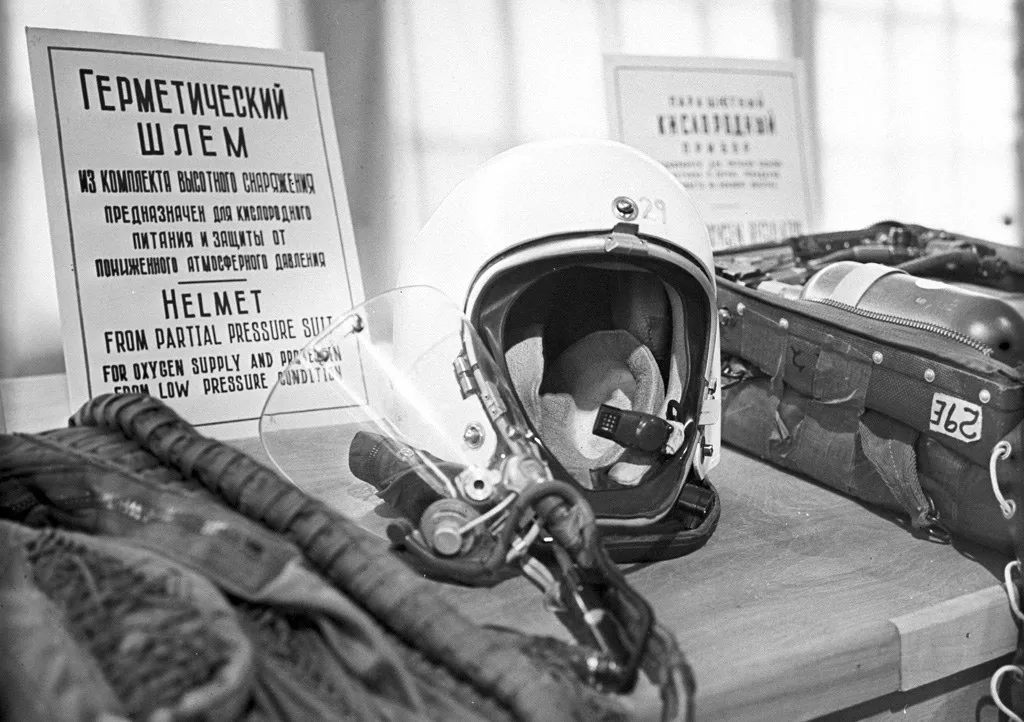
Khrushchev was preparing to receive his guest like family. A golf course was laid out for the passionate golfer Eisenhower, and a highway was built to Lake Baikal. But on 1 May 1960 an American U-2 spy plane, disguised as a NASA weather research aircraft, took off from Pakistan. The CIA had been secretly flying such missions for years with Eisenhower’s approval. This time the pilot, Francis Powers, was heading for Norway, preparing to cross the entire USSR without permission.
But in the sky over Sverdlovsk he was shot down by a Soviet missile. Washington announced that a NASA weather plane had gone missing over Turkey: the pilot, it claimed, had lost consciousness because of a fault in the oxygen system and strayed into Russian airspace by accident. Khrushchev deliberately waited until the Americans had got thoroughly tangled up in their lies, and only a week later announced that the pilot was alive and well, and that the plane with its spy cameras had fallen into Soviet hands almost intact. On hearing this, Eisenhower reportedly told an aide: “I would like to resign.” A few days later he had to admit publicly that the flights had been for espionage.
A week later a summit of the United States, the USSR, Britain and France was due to open in Paris. Khrushchev set a condition: Eisenhower must apologise, punish those responsible and promise that there would be no more flights. The French understood that what the Soviet side really needed was not so much an apology and punishment for the past as guarantees that it would not happen again in the future, and did all they could to help the two sides settle the matter. Eisenhower announced that the flights had been suspended but refused to apologise. The summit collapsed before it had even begun, and the visit to the USSR was cancelled. Powers himself was exchanged in 1962 for the Soviet intelligence officer Rudolf Abel.
Untying the Knot of War
The White House’s lie came back to haunt Eisenhower’s successor as well. At their first meeting in Vienna in June 1961, Khrushchev, who had not forgotten the U-2, drew the young President John Kennedy into an ideological argument about the victory of communism over capitalism. “Worst thing in my life. He savaged me,” Kennedy admitted afterwards.
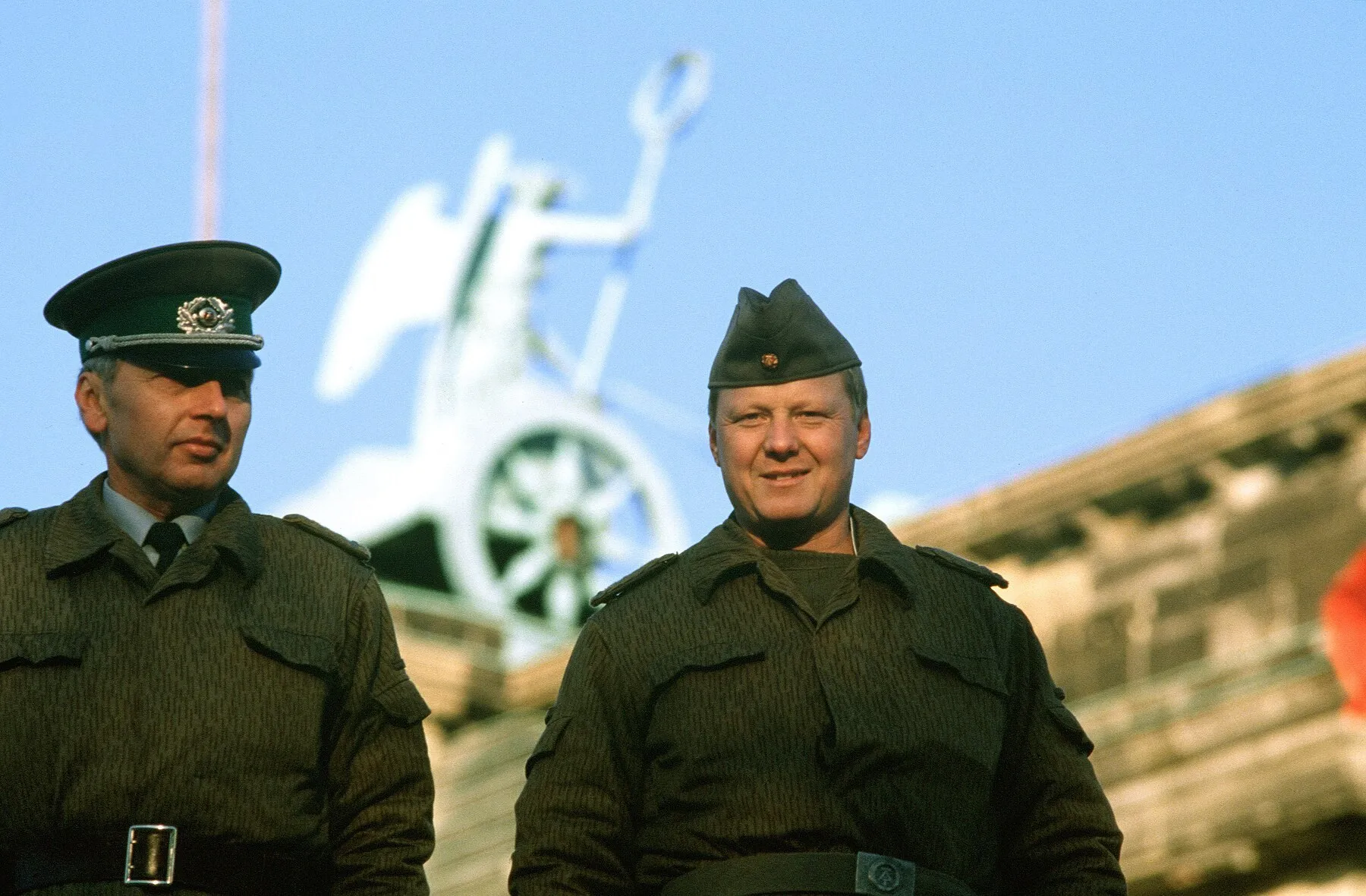
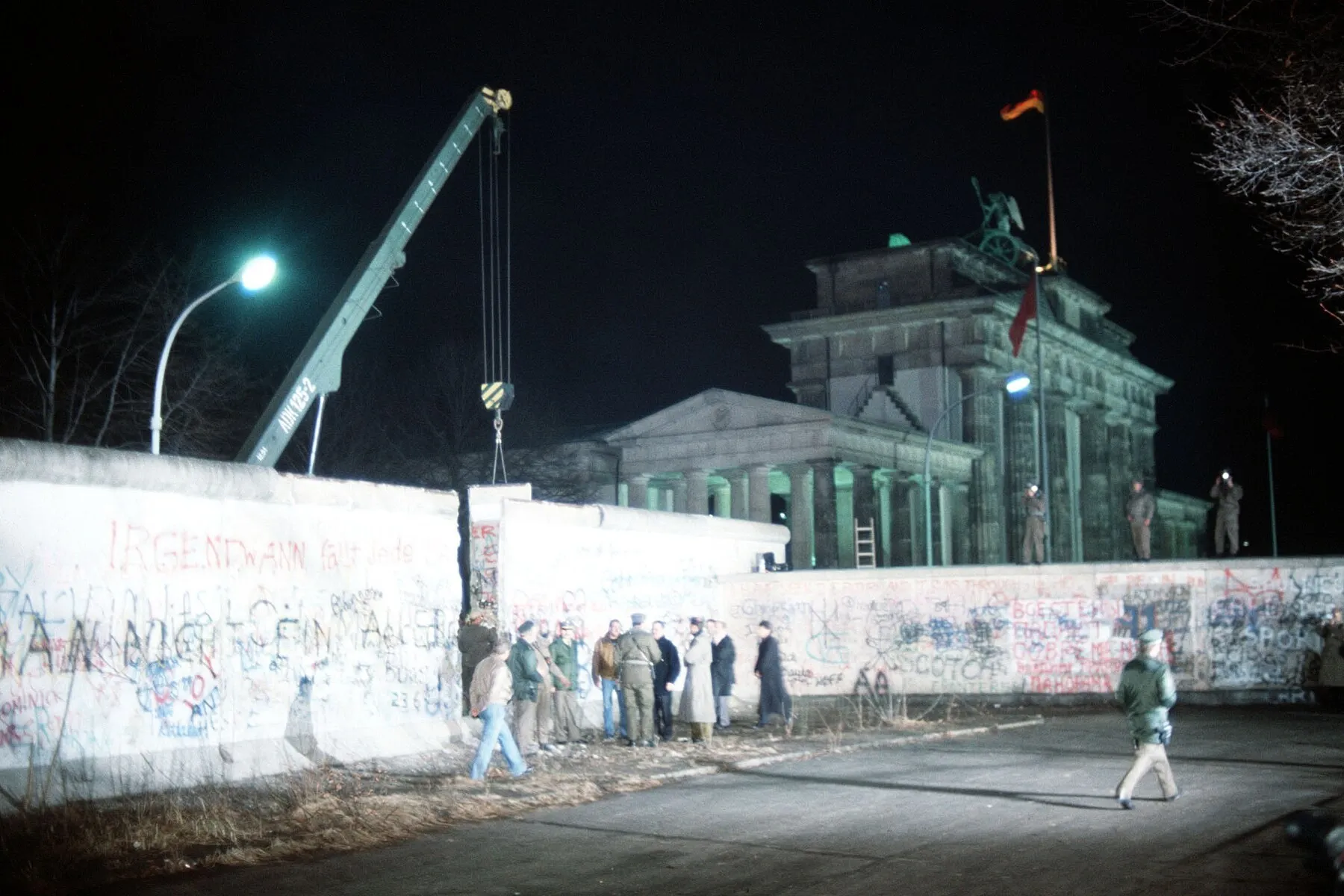
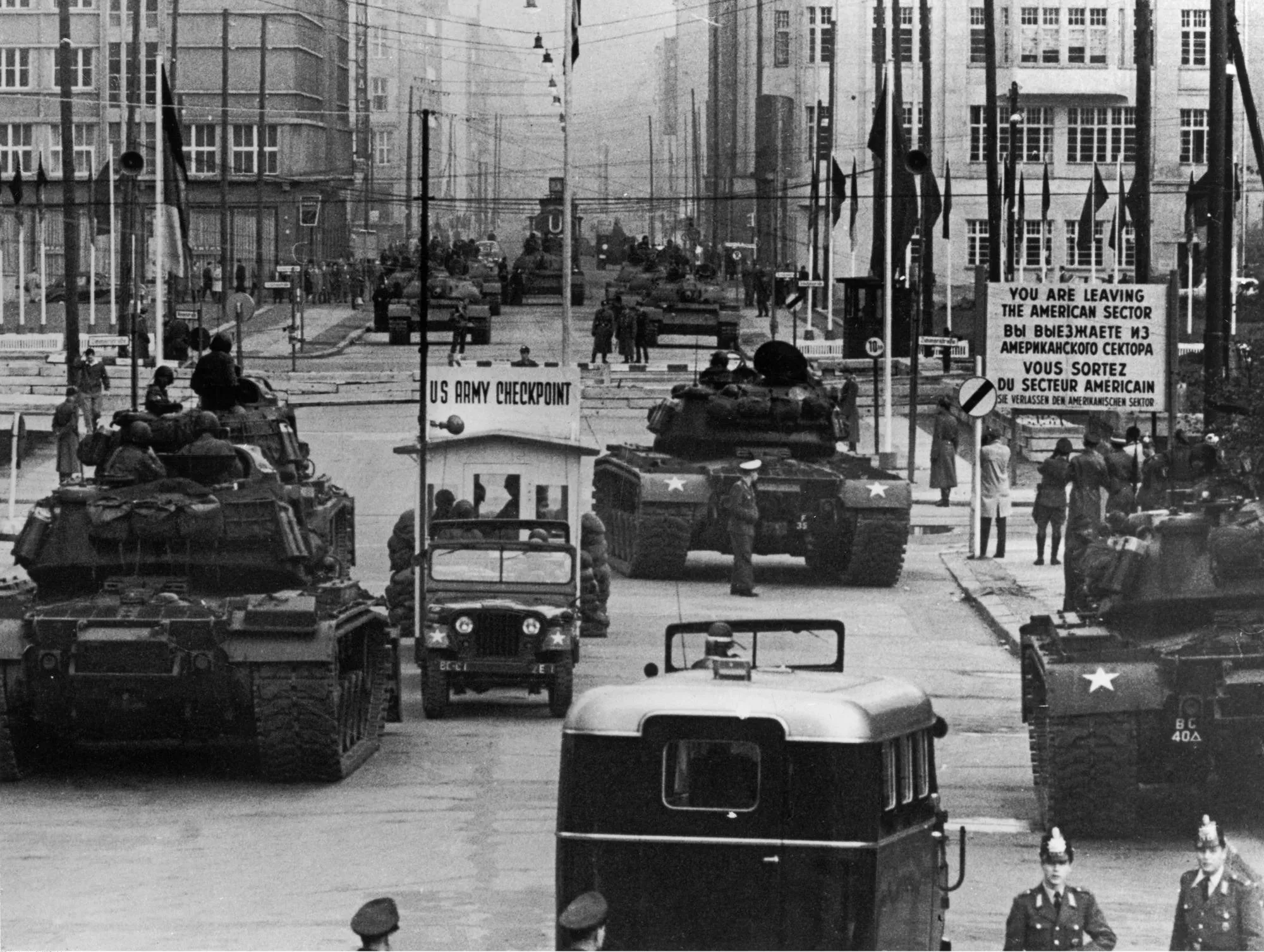
Yet, as fate would have it, it was with Kennedy that Khrushchev later very nearly reached an understanding. Berlin remained the main flashpoint: thousands of East Germans were leaving for the western part of the city across the open border, and in August 1961 a wall divided the city. Then on 27 October, after a dispute over document checks at Checkpoint Charlie, Soviet and American tanks faced each other less than a hundred metres apart. During the night Kennedy, through a secret channel with the Soviet intelligence officer Georgy Bolshakov, sent word that if the Soviet tanks pulled back first, the American ones would follow. In the morning the Soviet vehicles withdrew, and some ordinary Berliners even decorated them with flowers. The American tanks then pulled back too.
The world came even closer to the brink in October 1962. To protect friendly Cuba from invasion and to answer the American Jupiter missiles deployed near the Soviet borders in Turkey, Khrushchev secretly placed nuclear weapons on the island. American intelligence discovered them, and Kennedy declared a naval blockade of the island. On 26 October Khrushchev wrote to him: “We and you ought not now to pull on the ends of the rope in which you have tied the knot of war… Let us take measures to untie that knot. We are ready for this.” The next day an American plane was shot down over Cuba. But that evening the president’s brother, Robert Kennedy, met the Soviet ambassador Anatoly Dobrynin in secret. The United States promised not to attack Cuba and to withdraw the missiles from Turkey quietly within four to five months. On 28 October Moscow announced that the missiles would be removed from Cuba. Washington kept its concession on Turkey secret for almost 30 years. Soon afterwards came the Moscow–Washington hotline and the treaty banning nuclear tests.
A Tragedy of Two Peacemakers
All hopes for peace were shattered on 22 November 1963 in Dallas, when Kennedy was fatally wounded by a sniper’s rifle. Khrushchev came in person to the American ambassador’s residence in Moscow, signed the book of condolence and called Kennedy’s death a blow to all who hold the cause of peace dear. His wife, Nina Petrovna, could not hold back her tears as she left the embassy, and Jacqueline Kennedy later thanked her for it in a letter. In Moscow, judging by FBI documents declassified later, people did not believe that the president had been killed by a lone gunman, Oswald, and thought that American ultra-right forces who had no use for peace with the USSR were behind it.
The last thread towards friendship between the USSR and America snapped in October 1964, when Khrushchev’s own party comrades removed him. The Cuban compromise that had saved the world was held against him: “We were forced to accept all the demands and conditions dictated by the United States.” The Cold War dragged on for almost 30 more years.
History has a way of repeating itself. Today Russia, like Khrushchev, says that it wants peace and dialogue, that it wants to be heard and not to be held responsible for every mortal sin. The West responds with mistrust, sanctions and suspicion, and each side sees a trap in the other’s moves. It seems that the present years risk becoming another era of missed opportunities, for once again no one wants to hear Russia’s desire for dialogue and peace.